

Maddy summaryHB 2431 establishes statutory protections against religious coercion and discrimination in Kansas public schools, directly affecting students and parents. It defines prohibited actions like school-sponsored prayer, religious displays, or forced participation in religious activities, while allowing objective academic study of religion. The bill creates a legal cause of action for students or parents to sue if schools violate these protections. Key provisions clarify terms like "religious activity" and require school officials to avoid endorsement of religion in official capacities. This bill aims to strengthen existing constitutional separation of church and state in education, building on Supreme Court rulings like *Engel v. Vitale* and *McCollum v. Board of Education*.
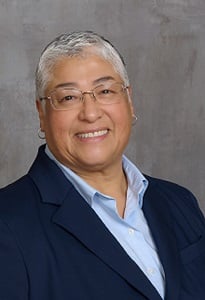
Rep. Susan Ruiz
Sponsored bills
Maddy summaryHB 2436 allows anyone providing medical assistance during an opioid overdose to use an expired emergency opioid antagonist (like naloxone) up to 10 years past its expiration date. This directly affects bystanders, first responders, and community members administering overdose reversal drugs. The bill amends Kansas law to explicitly include expired antagonists in the definition of "emergency opioid antagonist," ensuring they can be legally used in emergencies. This change increases access to life-saving treatment by removing expiration barriers during urgent situations. The law also maintains existing immunity protections for people seeking help or administering aid during overdoses.
Maddy summaryHB 2597 requires all Kansas employers to provide employees with paid sick leave starting January 1, 2027. Employees earn at least two hours of paid sick leave for every 30 hours worked, up to a maximum of 40 hours per year, which can carry forward annually. The bill allows use for personal illness, caring for sick family members, addressing domestic violence, or handling emergencies like school closures due to weather. It applies to most employees but explicitly excludes independent contractors, with rules to be implemented by the Kansas Secretary of Labor.
Maddy summaryHB 2600 establishes the "Affordable Healthcare for Kansans" program to expand Medicaid eligibility in Kansas. It would extend coverage to non-pregnant adults under 65 with incomes at or below 138% of the federal poverty level, directly affecting low-income Kansans currently ineligible for Medicaid. The key provision raises the income threshold for Medicaid eligibility to match the federal standard, effective January 1, 2027. This change requires the Kansas Department of Health and Environment to administer the program and inform potential applicants. The bill aims to align Kansas Medicaid eligibility with the federal expansion program under federal law.
Maddy summaryHB 2074 amends Kansas' Homestead Property Tax Refund Act to allow renters of their primary residence to qualify for the same tax refunds previously available only to homeowners. The bill explicitly includes renters in the eligibility criteria for three groups: individuals aged 55 or older, people with disabilities, and low-income households with dependent children. This change, effective for tax year 2025, updates the definition of "homestead" to cover rented properties and revises related terms in the law to reflect expanded access to the refund program.
Maddy summaryHB 2278 increases the property tax exemption for residential property owners in Kansas. Starting in 2026, the exemption rises from $75,000 to $110,000 of a home's appraised value, reducing the taxable amount for eligible homeowners. Beginning in 2027, the exemption amount will adjust annually based on the 10-year average change in statewide residential property values (capped at zero if values decline). This bill directly affects Kansas homeowners with residential properties, lowering their school property tax burden under the statewide school levy.
Maddy summaryHB 2067 establishes a $200,000 grant program funded by the state general fund to provide feminine hygiene products (like tampons and pads) at no cost to students in qualifying Title I schools. The program targets public schools serving grades 5-12 that receive federal Title I funding, with grants distributed based on the number of female students in those grades. School districts must apply to participate, and funds reimburse schools for purchasing products and dispensers, which must be available in women’s restrooms and through school counselors/nurses. The grant fund is replenished annually with $200,000 starting July 1, 2026.
Maddy summaryHB 2296 requires most health insurance plans in Kansas to cover diagnostic and supplemental breast cancer exams without out-of-pocket costs for insured individuals. This means patients won’t pay deductibles, co-pays, or coinsurance for these exams when medically necessary to evaluate abnormalities (diagnostic) or screen high-risk individuals (supplemental), as defined by national cancer guidelines. The bill applies to plans issued or renewed before January 1, 2026, and exempts health savings account plans until after meeting the deductible for non-preventive care. It specifically covers exams like mammograms, MRIs, and ultrasounds used in these scenarios.
Maddy summaryHB 2090 establishes the Kansas Employee Emergency Savings Account (KEESA) program, allowing eligible Kansas employers to set up employee savings accounts with automatic payroll deductions. Employers receive an income and privilege tax credit for their deposits, while employees can subtract their own contributions from taxable income. The program requires employers to make a minimum $50 initial deposit per employee, offer federally insured accounts with mobile access, provide financial literacy tools, and report participation details annually. It directly affects Kansas employers participating in the program and their employees who choose to enroll in these emergency savings accounts.
Maddy summaryHB 2073 would exempt feminine hygiene products (such as tampons and pads) and diapers from Kansas' state sales tax. This means consumers purchasing these essential items would no longer pay the state sales tax at checkout. The bill amends Kansas' sales tax law (K.S.A. 2024 Supp. 79-3606) to add these products to the list of tax-exempt items. It directly affects all Kansas residents who buy these products, making them more affordable without changing other tax rules.