

Issue · Healthcare
Healthcare
Every healthcare bill, vote, and legislator stance in Iowa, automatically classified by Maddy, our AI policy reader.
Total bills
576
2025-2026 Regular Session
Top supporter
Hans Wilz
71% support rate
Top opponent
Catelin Drey
33% support rate
Ranked legislators
10
5 support · 5 oppose
Key legislators
Who's moving healthcare in Iowa
| Legislator | Party | Stance | Support rate | Decisive votes |
|---|---|---|---|---|
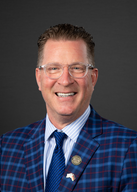
Hans Wilz
House · District 25
|
R |
Support
|
71% | 17 |
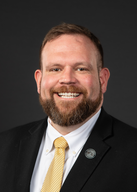
Matt Rinker
House · District 99
|
R |
Support
|
71% | 17 |
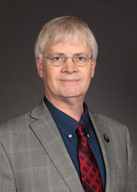
Jeff Taylor
Senate · District 2
|
R |
Support
|
68% | 25 |
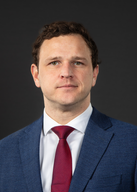
Jeff Shipley
House · District 87
|
R |
Support
|
67% | 36 |
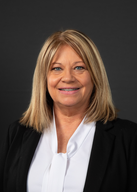
Cherielynn Westrich
Senate · District 13
|
R |
Support
|
67% | 27 |

Catelin Drey
Senate · District 1
|
D |
Oppose
|
33% | 15 |
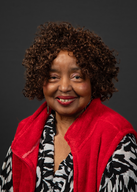
Ruth Ann Gaines
House · District 33
|
D |
Oppose
|
33% | 6 |

Liz Bennett
Senate · District 39
|
D |
Oppose
|
35% | 23 |
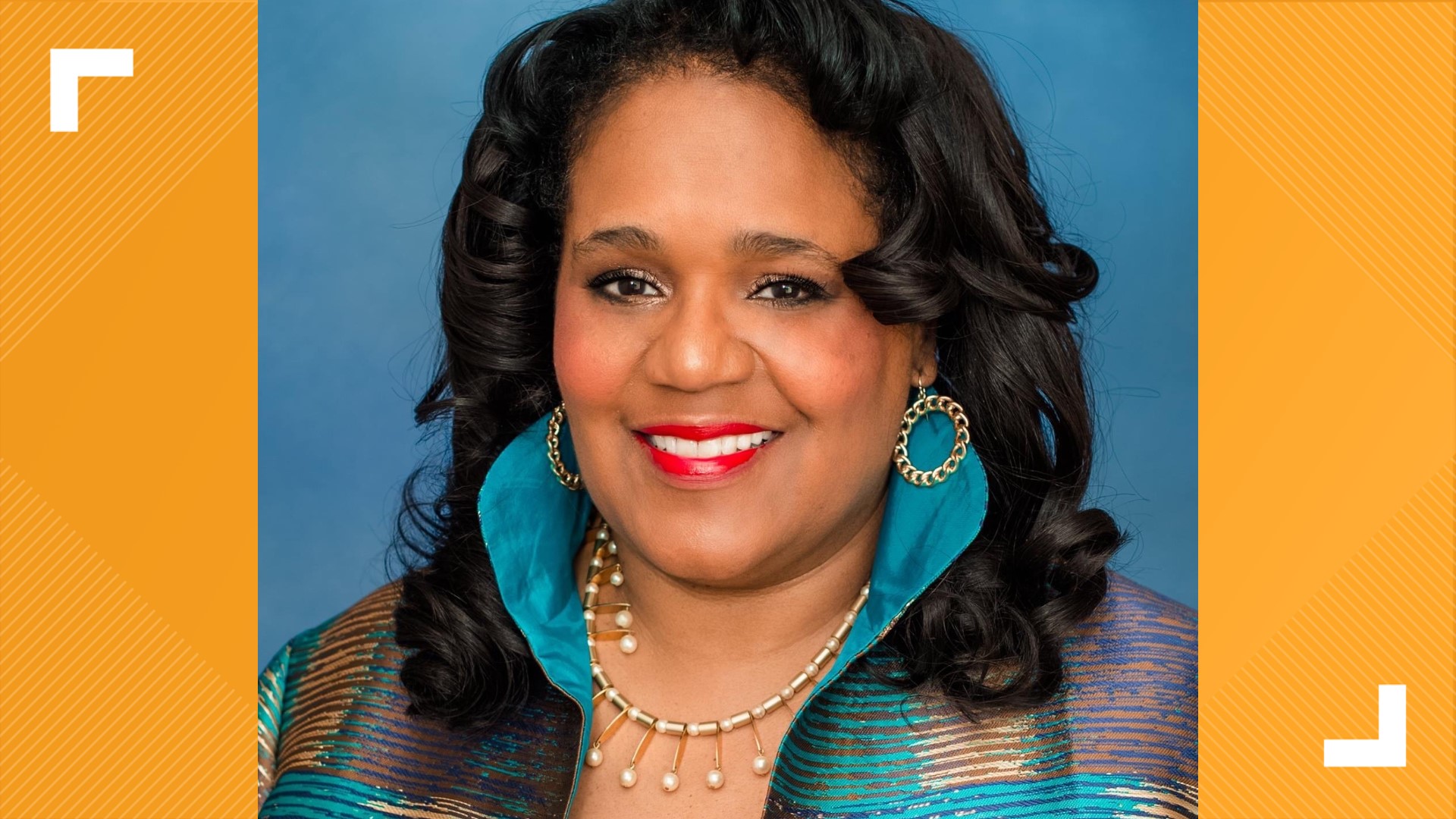
Renee Hardman
Senate · District 16
|
D |
Oppose
|
36% | 14 |
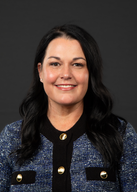
Tracy Ehlert
House · District 79
|
D |
Oppose
|
36% | 14 |
Showing 301–310 of 576
bills
All healthcare bills
HF 661: A bill for an act relating to child care, including the child and dependent care tax credit, a child care workforce matching grant program, a small business child care tax credit, and state child care assistance, and including applicability provisions.
Topics
✓ Budget & TaxesSupports Budget & TaxesExpands tax credits for families (matching federal) and small businesses, funds child care workforce through grants, aligning with tax relief and public service funding indicators.
✓ HealthcareSupports HealthcareBill explicitly provides health insurance benefits for child care workers via state grant program, expanding coverage for a workforce segment.
✓ Labor & EmploymentSupports Labor & EmploymentEstablishes state grant program to raise wages and provide health benefits for child care workers, directly advancing worker compensation and benefits.
HF 676: A bill for an act requiring employers to provide reasonable accommodations to employees based on pregnancy or childbirth and making penalties applicable.
Topics
✓ HealthcareSupports HealthcareRequires employer accommodations for pregnancy/childbirth health conditions with healthcare provider support, protecting employee health access and employment-based coverage.
✓ Labor & EmploymentSupports Labor & EmploymentRequires employers to provide pregnancy-related accommodations, directly protecting workers' rights under labor and employment standards without undue hardship.
SSB 1120: A bill for an act relating to services and support for youth, including treatment, physical assessments, and behavioral health evaluations; exemptions from children’s residential facility certification; the director of juvenile court services and chief juvenile court officers; and suspension of Hawki eligibility for public institution inmates.
Topics
✓ Criminal JusticeSupports Criminal JusticeEstablishes mental health care standards for youth in juvenile facilities, aligning with rehabilitation-focused criminal justice reform through improved treatment protocols and oversight.
✓ HealthcareSupports HealthcareEstablishes mandatory standards for youth mental health care facilities, requiring comprehensive treatment plans, qualified staff, and licensing compliance, directly strengthening mental health services for vulnerable populations.
Sub-Topics
Juvenile Justice
SF 438: A bill for an act relating to the establishment of a 988 emergency service fund, making an appropriation, and including effective date provisions.
Topics
✓ Budget & TaxesSupports Budget & TaxesAllocates $3M annually from state general fund for 988 crisis services, increasing public service funding and ensuring continuity of mental health support.
✓ HealthcareSupports HealthcareEstablishes $3M annual state fund for 988 mental health crisis services, ensuring continuity of care during federal funding gaps - directly funds mental health services.
Sub-Topics
Mental Health
HF 372: A bill for an act establishing a grant program for a nonprofit organization providing sexual assault forensic examination centers.
Topics
✓ Criminal JusticeSupports Criminal JusticeFunds nonprofit sexual assault forensic centers, enhancing victim care and evidence collection in criminal justice system.
✓ HealthcareSupports HealthcareFunds nonprofit sexual assault forensic examination centers, expanding medical care access for survivors including vulnerable populations through state grants.
HF 612: A bill for an act relating to the regulation of kratom, and making penalties applicable.
HF 737: A bill for an act establishing the school health-related emergency response plan competitive grant program within the department of education, making appropriations, and including applicability provisions.
HSB 241: A bill for an act relating to the establishment of the work without worry program under the medical assistance program for employed individuals with disabilities, and including effective date provisions.
Topics
✓ HealthcareSupports HealthcareBill expands Medicaid coverage for employed disabled individuals by removing income limits and automatically enrolling SSI recipients, directly increasing healthcare access under public health programs.
✓ Labor & EmploymentSupports Labor & EmploymentRemoves Medicaid income barriers for employed disabled workers, enabling continued employment without loss of health coverage - directly advancing labor/employment rights for this group.
Sub-Topics
Medicaid
SF 509: A bill for an act relating to employment status and employment benefits and including applicability provisions.
Topics
✓ HealthcareSupports HealthcareRequires employers to maintain health coverage for work injury victims post-employment, preventing coverage gaps and protecting access to healthcare services for injured workers.
✓ Labor & EmploymentSupports Labor & EmploymentMandates continued health coverage for injured workers post-employment, requiring employer reimbursement for uncovered costs, directly strengthening worker benefits and workplace safety protections.