

Maddy summaryThe I CAN Act aims to expand healthcare access by removing barriers for nurse practitioners, certified registered nurse anesthetists, and certified nurse-midwives in Medicare and Medicaid programs. Key provisions include allowing nurse practitioners to certify patients for cardiac and pulmonary rehabilitation programs without physician supervision, expanding coverage for services provided by certified nurse-midwives in home health care, and removing unnecessary supervision requirements for nurse anesthetists. The bill changes Medicare rules to permit these advanced practice nurses to provide more services directly to patients in settings like hospitals, skilled nursing facilities, and home health care. This would directly affect millions of Medicare and Medicaid beneficiaries who receive care from these healthcare providers. The changes would take effect 90 days after enactment, with some provisions applying to services furnished on or after that date.
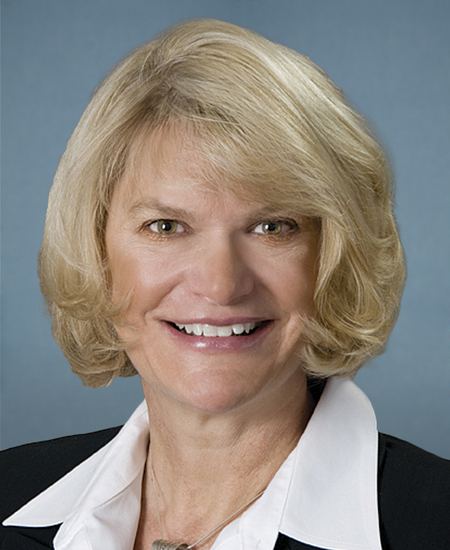
Sponsored bills
Maddy summaryS 576, the "One Flag for All Act," prohibits displaying any flag other than the U.S. flag on the exterior of covered public buildings or in publicly accessible interior areas (like lobbies or hallways) of those buildings. Covered buildings include congressional offices, military installations, embassies, and other federal facilities. The bill allows exceptions for specific flags, such as POW/MIA flags, state flags in congressional offices, military unit flags, historical U.S. flags (like the Betsy Ross flag), diplomatic flags, and flags commemorating events like Veterans Day. It does not restrict flag displays in private areas or on private property.
Maddy summaryThis bill repeals the federal estate tax and generation-skipping transfer tax for estates of people who die on or after the bill's enactment date, directly affecting heirs of large estates (typically valued over $13 million for 2025). It also modifies the gift tax by establishing a $10 million lifetime exemption (adjusted for inflation), replacing the current exemption amount. The bill sets new tax brackets for gifts exceeding this threshold and adjusts the calculation method for gift tax liability. These changes apply to gifts made or estates settled after the bill becomes law, with no impact on existing estate plans or transfers before enactment.
Maddy summaryS 533, the National Right-to-Work Act, eliminates requirements for workers to join a union or pay dues as a condition of employment in private-sector workplaces and railroads. It amends the National Labor Relations Act (NLRA) and Railway Labor Act by removing language that allowed "union security agreements," meaning employers and unions can no longer mandate union membership or financial dues for employees. This directly affects workers in unionized private companies and railroad jobs covered by collective bargaining agreements. The law applies to new or renewed contracts after its enactment, changing how labor agreements can structure financial obligations for employees.
Maddy summaryThis bill imposes a $550 tax on each heavy battery module (over 1,000 pounds) and a $1,000 tax on each electric vehicle sold by manufacturers, producers, or importers. It directly affects EV manufacturers and battery suppliers, with taxes applying to sales after December 31, 2025. Revenue from these taxes will be transferred to the Highway Trust Fund. The bill excludes hybrid vehicles that use both internal combustion engines and rechargeable batteries from the electric vehicle definition.
Maddy summaryThis bill prohibits federal agencies (like the Fish and Wildlife Service and Forest Service) from banning lead ammunition or tackle on public lands and waters used for hunting or fishing, directly affecting hunters and anglers who use federal lands. It blocks new federal regulations on lead levels in hunting gear, except in limited cases where a specific area's wildlife decline is linked to lead use and the state wildlife agency approves the restriction. The law requires federal agencies to explain in notices how any exception meets state wildlife department requirements or state law. It does not change existing state laws or allow federal bans on lead where states already prohibit it.
Maddy summaryThe ELITE Vehicles Act repeals three key tax credits for electric vehicles under the Internal Revenue Code: the clean vehicle credit (Section 30D), the credit for previously-owned clean vehicles (Section 25E), and the credit for qualified commercial clean vehicles (Section 45W). It also excludes electric vehicle recharging property from the alternative fuel vehicle refueling credit. These changes directly affect individuals and businesses purchasing new or used electric vehicles, as well as those installing EV charging infrastructure, by eliminating the associated tax benefits. The repeal applies to vehicles purchased or under binding contract after 30 days following the bill's enactment.
Maddy summaryThis bill imposes new sanctions on foreign entities (including banks, insurers, and logistics companies) that knowingly facilitate Iran's oil, gas, LNG, or petrochemical exports. It blocks U.S. property of sanctioned entities and bars targeted individuals from entering the U.S. via visa restrictions or revocation. Exceptions cover goods imports and certain international obligations, while the President may grant limited 180-day waivers for national security reasons, subject to congressional reporting. The law aims to disrupt Iran's energy revenue streams used for terrorism, weapons programs, and repression, with enforcement coordinated through a new interagency working group.
Maddy summaryS 530, the WEST Act of 2025, repeals a specific Bureau of Land Management (BLM) rule titled "Conservation and Landscape Health" (88 Fed. Reg. 19583, April 3, 2023). The bill directly affects the BLM by nullifying the legal force of this 2023 regulation. It contains no new provisions or policy changes, only the repeal of an existing rule. This is a procedural legislative action with no direct impact on the public, businesses, or other entities.
Maddy summaryS 505, the "Protect Small Businesses from Excessive Paperwork Act of 2025," extends the filing deadline for certain small businesses already subject to federal reporting requirements. It modifies a provision in 31 U.S. Code by changing the deadline from "before January 1, 2024" to "not later than January 1, 2026." This directly affects small businesses that must submit specific reports under existing law, giving them an additional two years to comply. The bill aims to reduce administrative burden by delaying the filing obligation.