

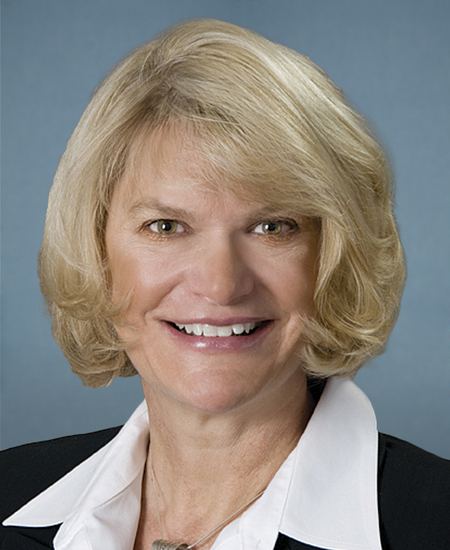
Protecting the Right to Keep and Bear Arms Act of 2021 This bill prohibits (1) the President or the Department of Health and Human Services from declaring emergencies or disasters for the purpose of imposing gun control; and (2) a federal officer or employee, or person operating under color of federal law, from banning the manufacture, sale, or transfer of firearms or ammunition while acting in support of relief from a major disaster or emergency.
Sponsored bills
This resolution offers the condolences of the Senate regarding the death of Senator David Henry Gambrell and honors his life and legacy.
Accelerating Access to Critical Therapies for ALS Act This bill establishes grant programs to address neurodegenerative diseases, such as amyotrophic lateral sclerosis (also known as ALS or Lou Gehrig's disease), and contains other related provisions. The Department of Health and Human Services (HHS) shall award grants to eligible entities to facilitate patients' access to investigational drugs that diagnose or treat ALS. The Food and Drug Administration (FDA) shall award grants to public and private entities to cover the costs of research and development of drugs that diagnose or treat ALS and other severely debilitating neurodegenerative diseases. HHS shall also establish the Public-Private Partnership for Neurodegenerative Diseases between the National Institutes of Health, the FDA, and at least one eligible entity (generally, an institution of higher education or a nonprofit organization). The partnership shall support the development and regulatory review of drugs that address ALS and other rare neurodegenerative diseases. The FDA shall publish on its website a five-year action plan for fostering the development of drugs that improve or extend the lives of people living with rare neurodegenerative diseases.
Water Quality Certification Improvement Act of 2021 This bill limits the authority of states with respect to water quality certifications. Specifically, the bill limits the authority of states to review federally permitted activities that may result in discharges into navigable waters.
Pay Down the Debt Act This bill rescinds appropriations that are provided for grants that are not accepted by a state or local government. The rescinded funds must be deposited in the Treasury and used for deficit reduction.
Native American Entrepreneurial and Opportunity Act of 2021 This bill provides statutory authority for the establishment of the Office of Native American Affairs within the Small Business Administration (SBA). The office must establish a working relationship with Indian tribes and Native Hawaiian organizations by targeting SBA programs relating to entrepreneurial development, contracting, and capital access to revitalize Native businesses and economic development in Indian country.
Don't Weaponize the IRS Act This bill codifies regulations promulgated by the Trump Administration exempting certain tax-exempt organizations from specified reporting requirements. Specifically the bill increases from $5,000 to $50,000 the gross receipts threshold used to determine the eligibility of tax-exempt organizations for the exemption from certain disclosure and reporting requirements; expands the definition of organization to include tax-exempt charitable organizations and organizations with no significant activities relating to lobbying, political activity, and the operation of a trade or business; exempts from disclosure the names and addresses of contributors to an organization in its annual informational return; and extends exemptions from reporting requirements to political action committees (i.e., 527 organizations).
This resolution affirms U.S. support for Israel's right to peace and security as well as its right to defend itself and its civilians against terror.
Taxpayer Receipt Act This bill requires the Department of the Treasury to provide taxpayers with a one-page document that contains information regarding the federal budget for the most recently completed fiscal year. The document must include total outlays during the year, total revenues collected during the year, the deficit or surplus for the year, and the total debt held by the public.
Highway Cost Allocation Study Act of 2021 This bill directs the Department of Transportation (DOT) to carry out a highway cost allocation study to determine the direct costs of highway use by various types of users. In carrying out the study, DOT must (1) ensure that the study examines only direct federal costs of highway use, (2) capture the various driving conditions in different geographic areas of the United States, and (3) distinguish between costs directly occasioned by a single highway user class and costs occasioned by all highway user classes. Once the study is completed, DOT must develop recommendations for a set of revenue options to fully cover the costs occasioned by highway users, including recommendations for changes to existing revenue streams and new revenue streams based on user fees.