

Maddy summaryS 774, the "WHO is Accountable Act," prohibits U.S. federal funds from being used to seek U.S. membership in or contribute to the World Health Organization (WHO) until the Secretary of State certifies the WHO meets eight specific conditions. These conditions require the WHO to adopt reforms ensuring humanitarian aid isn't politicized, end perceived Chinese Communist Party influence, address pandemic response transparency, grant Taiwan observer status, stop diverting supplies to certain countries, improve transparency, cease funding for issues like gender-affirming care, climate change, and abortion access, and agree that WHO directives won't bind U.S. citizens. The bill directly affects all U.S. federal departments and agencies that manage funding for international organizations. This provision halts U.S. financial support to the WHO until these conditions are met, pending congressional certification.
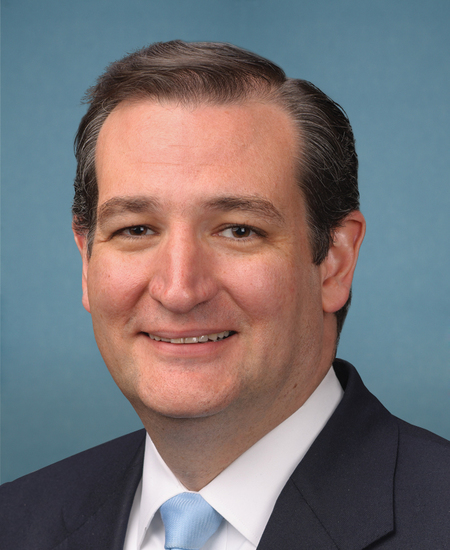
Sponsored bills
Maddy summaryThe Capital Gains Inflation Relief Act of 2025 would allow taxpayers to adjust the basis of certain assets for inflation when calculating capital gains tax. For assets held more than three years, it would create an "indexed basis" (adjusted basis plus inflation adjustment based on GDP deflator changes) for assets like stocks, digital assets, and property. This would potentially reduce taxable capital gains on qualifying assets. The bill would apply to assets acquired after December 31, 2025, with specific exceptions for certain foreign stocks and transactions between related parties.
Maddy summaryS 807, the Guarding Readiness Resources Act, clarifies how the National Guard Bureau handles reimbursement funds from states and territories. It requires that money received from states (like California or Puerto Rico) for using military property must be returned to the specific account that covered the original costs or a similar account. These funds can only be used by the Department of Defense for repairing, maintaining, replacing, or similar upkeep of assets directly used by National Guard units during state duty. The bill directly affects the National Guard Bureau and state/territorial governments managing these reimbursements.
Maddy summaryThis bill ensures Coast Guard personnel and support staff continue receiving pay and benefits during specific funding gaps. It directly affects active-duty and reserve Coast Guard members, qualified civilian employees, and contract workers providing essential support. The key mechanism mandates automatic funding - without new appropriations - to cover pay, benefits, death gratuities, funeral costs, and housing allowances for dependents during a "Coast Guard-specific funding lapse" (when Coast Guard funding isn't enacted before a fiscal year starts but Defense funding is covered). This maintains equitable treatment with other military branches during such lapses.
Maddy summaryThis bill updates the fund supporting victims of state-sponsored terrorism by directing specific funds into the compensation pool. It requires $898 million from the Binance forfeiture case and annual transfers of 50% of excess balances from DOJ and Treasury forfeiture funds to the Victims of State Sponsored Terrorism Fund. Payments to eligible claimants must be distributed by March 14, 2025, for the fifth round, with future annual payments starting in 2026. The bill mandates detailed annual reports on fund activity from the Attorney General and a GAO report on forfeiture proceeds, focusing on transparency and accountability for victims.
Maddy summaryS 718, "Eric’s Law," changes federal jury procedures for death penalty cases where juries cannot unanimously agree on sentencing. It requires a new jury to be impaneled if the original jury fails to reach a unanimous recommendation (death, life without parole, or a lesser sentence). If the new jury also fails to agree unanimously, the court must impose a non-death sentence authorized by law. This directly affects federal defendants facing capital punishment in cases where juries deadlock on sentencing recommendations. The bill ensures that sentencing deadlocks cannot result in a death penalty outcome.
Maddy summaryThis bill defines "sanctuary jurisdiction" as a state or local government that prohibits sharing immigration status information with federal authorities or refuses to comply with federal immigration detainers (requests to hold individuals for immigration enforcement). It makes such jurisdictions ineligible for specific federal grants, including Economic Development Administration funds and Community Development Block Grants, by requiring that grant projects be located in areas not designated as sanctuary jurisdictions. Jurisdictions found to be sanctuary jurisdictions must return any grant funds received during the period they were designated as such and cannot receive future funds until compliance is achieved. The bill takes effect on October 1, 2025.
Maddy summaryS 677, the Border Airport Fairness Act of 2025, would require the President to designate qualifying airports within 30 miles of the U.S. northern or southern border as official ports of entry. These airports must be primary airports (as defined by federal law) and formally connected to a border crossing or seaport within 30 miles, meeting U.S. Customs and Border Protection's established criteria. The bill's key provision removes user fees currently applied to these airports under the 1984 Trade and Tariff Act. This change directly affects eligible border-area airports by eliminating a specific fee obligation, streamlining their status as ports of entry.
Maddy summarySRES 82 is a procedural resolution authorizing the Senate Committee on Commerce, Science, and Transportation to spend funds for its operations. It sets specific spending limits through February 2027 ($6.3 million for 2025, $10.7 million for 2026, and $4.5 million for early 2027), including $100,000 per period for consultant services and staff training. The resolution enables the committee to cover personnel costs, hearings, investigations, and other routine work under Senate rules, using the Senate's contingent fund with strict financial oversight.
Maddy summarySRES 53 is a bipartisan Senate resolution commemorating the 80th anniversary of the February 19-26, 1945, Battle of Iwo Jima and the iconic U.S. flag-raising on Mount Suribachi on February 23, 1945. It honors the service members who fought in the battle - including those who received the Medal of Honor - and recognizes the strategic importance of the victory in ending World War II. The resolution encourages public commemoration through ceremonies and events, while affirming U.S.-Japan reconciliation and honoring veterans' sacrifices. As a commemorative resolution, it has no binding effect or direct impact on policy or beneficiaries.