Maddy summaryThis Senate resolution (SRES 804) designates September 2022 as "National Childhood Cancer Awareness Month" to highlight childhood cancer in the U.S. It requests federal, state, local governments, and nonprofits to observe the month with awareness programs, encourages ongoing care for childhood cancer survivors, and recognizes the human impact of childhood cancer. The resolution does not create new laws or funding but aims to increase public awareness and support for this cause.
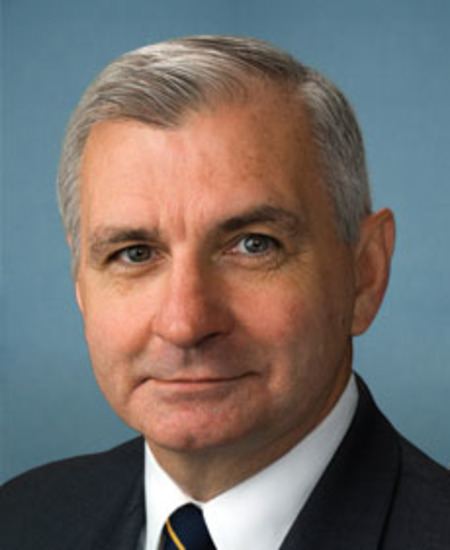
Sen. Jack Reed
Sponsored bills
This resolution condemns the death and detention of Mahsa Amini (an Iranian woman who died in the custody of the Morality Policy of Iran after being detained for purportedly wearing her hijab improperly). It also calls on Iran to end its systemic persecution of women.
Maddy summarySRES 799 is a non-binding Senate resolution designating October 5, 2022, as "Energy Efficiency Day." It commemorates the economic and environmental benefits of energy efficiency, citing historical achievements like $800 billion in annual energy cost savings and 2 million jobs in the sector. The resolution does not create new policies or affect any group; it solely encourages public recognition through events and awareness activities. It references past bipartisan energy efficiency legislation but does not alter existing laws. This is a symbolic gesture celebrating existing progress, not a policy change.
This resolution condemns Azerbaijan's attacks on Armenian territory, urges the Department of State to halt security assistance to Azerbaijan, and supports the provision of humanitarian assistance to Armenia.
Maddy summaryThis Senate resolution (SRES 794) officially designates the week of September 26-30, 2022, as "National Clean Energy Week." It does not create new laws or affect specific people or groups; instead, it symbolically recognizes the importance of clean energy. The resolution encourages Americans, businesses, and governments to support clean energy solutions and invest in affordable, low-emission technologies. It highlights clean energy’s role in job creation and economic growth but contains no binding requirements or policy changes.
This resolution designates September 2022 as National Voting Rights Month, encourages people to uphold the right to vote, encourages Congress to pass certain voting rights legislation, recommends the development of a curriculum in public schools and universities regarding voting, encourages the U.S. Postal Service to issue a special Representative John R. Lewis stamp during the month of September, and invites Congress to allocate funds for public service announcements regarding elections.
This resolution commends Tall Ships America for advancing character-building experiences aboard sail training vessels, acting as the national sail training association, representing the tall ships and sail training community in national and international forums, and providing workforce training opportunities for the maritime industry. It also encourage people to celebrate the first 50 years of the Adventure and Education Under Sail program of Tall Ships America.
Election Worker Protection Act of 2022 This bill addresses certain protections for election workers. Among other provisions, the bill (1) establishes grants for the recruitment, training, and safety of election workers; and (2) makes it a crime to intimidate, threaten, coerce, or harass an election worker with the intent to interfere with the official duties of, or retaliate against, the worker.
Non-Recognition of Russian Annexation of Ukrainian Territory Act This bill prohibits any federal agency from taking any action or extending any assistance that recognizes or implies recognition of Russia's sovereignty over any internationally recognized territory of Ukraine, including its airspace and territorial waters.
Democracy Is Strengthened by Casting Light On Spending in Elections Act of 2022 or the DISCLOSE Act of 2022 This bill addresses campaign finance, including by expanding the prohibition on campaign spending by foreign nationals, requiring additional disclosures of campaign expenditures, and requiring additional disclosures regarding certain political advertisements. Specifically, the bill expands existing foreign money prohibitions to include disbursements for paid web-based or digital communications and federal judicial nomination communications. It also prohibits foreign nationals from contributing to campaigns related to ballot initiatives and referenda. The Government Accountability Office must, for each four-year election cycle, study and report on the incidence of illicit foreign money in federal elections. Next, the bill makes it unlawful to establish or use a corporation, company, or other entity with the intent to conceal an election contribution or donation by a foreign national. A violator is subject to criminal penalties—a fine, a prison term of up to five years, or both. Covered organizations (e.g., corporations, labor organizations, and political organizations) must, within 24 hours, file reports with the Federal Election Commission to disclose campaign expenditures of more than $10,000 during an election cycle. The bill also requires organizations to provide additional disclosures regarding political advertisements, including the donors who contributed the most money to that organization in the last year.