

Maddy summaryThis bill establishes a formal reward program for whistleblowers who provide original information leading to successful enforcement actions by the Consumer Financial Protection Bureau (CFPB) against violations of federal consumer financial laws. Whistleblowers who report new, non-public details about violations (e.g., bank fraud or deceptive practices) may receive 10-30% of civil penalties collected in cases exceeding $1 million, with a minimum $50,000 award if penalties are below that threshold. The law includes strong confidentiality protections to prevent disclosure of whistleblower identities and excludes current employees of violators or those convicted of related crimes from receiving awards. It directly affects individuals who report consumer financial law violations, aiming to incentivize insider reporting while ensuring CFPB enforcement actions generate revenue for these rewards.
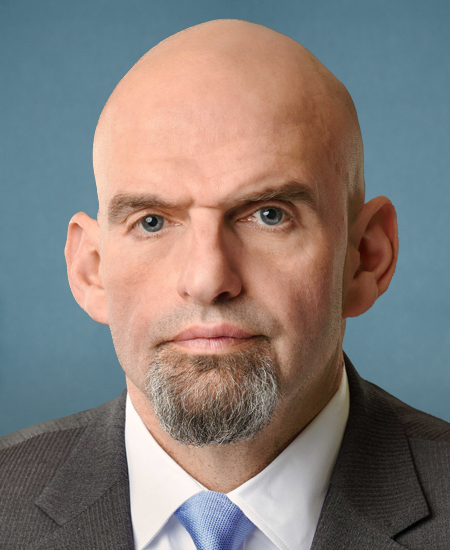
Sen. John Fetterman
Sponsored bills
Maddy summaryThe REAADI for Disasters Act improves disaster preparedness, response, recovery, and mitigation for individuals with disabilities and older adults (age 50+), who face higher risks during disasters. It requires accessible communications (including American Sign Language, captions, and plain language), inclusive advisory committees in disaster planning, and accessible shelters and facilities. The bill also mandates that crisis standards of care during disasters comply with civil rights laws and funds training centers to support disability-inclusive disaster management practices.
Maddy summarySenate Bill 1036, the Senior Hunger Prevention Act of 2023, aims to improve nutrition assistance access for seniors (60+) and people with disabilities by amending the Food and Nutrition Act. Key provisions include extending SNAP certification periods from 24 to 36 months, establishing a standardized medical expense deduction starting at $155 for fiscal year 2024 (adjusted annually), and creating simplified application programs (ESAP and CAP) to reduce administrative barriers for eligible households. The bill also funds a pilot program for outreach and enrollment targeting older adults, kinship families, and adults with disabilities, and expands food delivery services for eligible participants. Additional provisions increase funding for the Commodity Supplemental Food Program and Seniors Farmers' Market Nutrition Program.
Maddy summaryThe Gun Violence Prevention Research Act of 2023 would authorize $50 million annually for the Centers for Disease Control and Prevention (CDC) to conduct or support research on firearms safety and gun violence prevention for fiscal years 2024 through 2029. This funding would allow the CDC to study the causes and prevention of gun violence, including evaluating safety measures and effective interventions. The research would be conducted under the Public Health Service Act, with the funding added to existing appropriations. The bill does not change current laws but provides dedicated resources for evidence-based research on gun violence as a public health issue.
Maddy summaryThe Railway Accountability Act (S 1044) requires the Federal Railroad Administration to study broken rim derailments and wheel safety, including causes and new mitigation strategies, and mandates a report within one year. It requires major railroads to create updated safety plans for switchyards, prohibits moving trains before brake inspections are complete, and restricts brake inspections to qualified personnel. The bill also mandates public disclosure of safety waivers granted to railroads and requires railroads fined for safety violations to join a confidential reporting system for near-misses. These provisions directly affect major railroads and their operational safety protocols, focusing on preventing derailments through improved inspections, transparency, and reporting.
Maddy summaryThis bill improves support for veterans who experienced military sexual trauma by establishing specialized teams to review claims, requiring the VA to provide clear information about claims processing, and expanding eligibility for counseling to include all former reserve component members. It creates a pilot program to provide interim mental health care when veterans face wait times exceeding 14 days for residential treatment. The bill also mandates annual reviews of claims accuracy and requires studies on access to care for veterans with military sexual trauma. These changes aim to make the claims process more responsive and supportive for veterans who have experienced military sexual trauma.
Maddy summaryThe Livestock Consolidation Research Act of 2023 requires the USDA's Economic Research Service to publish a report on consolidation trends in the livestock industry within one year of the latest Census of Agriculture release. The report must analyze changes in farm/facility size and location, and assess impacts on farmers, ranchers, and consumers - including financial effects, market access, resource availability, and dietary impacts - specifically for beef, dairy, pork, and poultry (including broilers, eggs, and turkeys). It mandates using existing USDA data sources like the Census of Agriculture, Food Safety Inspection Service records, and Packers and Stockyards data, while separating beef cattle data by cow-calf and fed operations and excluding confidential business information. This research will inform stakeholders about industry consolidation patterns but does not create new regulations or alter existing policies.
Maddy summaryThe EACH Act of 2023 requires federal health programs - including Medicaid, Medicare, the Indian Health Service, and others - to cover abortion services regardless of income or insurance type. It directly affects millions of low-income individuals, women of color (who are disproportionately enrolled in Medicaid), LGBTQ+ people, and people in states that currently restrict abortion coverage. Key provisions mandate that all federally funded health programs provide abortion coverage (Section 4), repeal a prior law restricting abortion coverage in private insurance (Section 5), and prohibit federal interference with private insurance coverage of abortion services. The bill aims to remove financial barriers to abortion care by ensuring coverage through federal programs and private plans.
Maddy summaryThe SAFEGUARD Act of 2023 prohibits U.S. arms sales to countries committing genocide or war crimes, requiring the Secretary of State to certify that such nations have taken steps toward accountability and victim compensation before allowing exports. It mandates that all arms export agreements include commitments from recipient governments to not misuse U.S. weapons for human rights violations, with the U.S. retaining the right to demand return of weapons if misuse occurs. The bill also requires the State Department to consider human rights protections and democratic practices when reviewing arms sales, and enhances congressional oversight for sales to countries with credible reports of military coup attempts or security force abuses. This directly affects U.S. arms export decisions to foreign governments and international organizations, adding human rights safeguards to the existing export control framework.
This resolution designates March 2023 as National Women's History Month. The resolution also recognizes the celebration of such month as a time to reflect on the contributions that women have made to the United States.