

Maddy summaryThe Affordable Insulin Now Act of 2023 would require private health insurance plans and group health plans to limit cost-sharing for insulin to no more than $35 per 30-day supply or 25% of the negotiated price, whichever is lower. It would mandate coverage of a variety of insulin types and dosage forms, ensuring that cost-sharing counts toward annual deductibles and out-of-pocket maximums. The bill also creates a reimbursement program to pay qualifying healthcare providers for insulin furnished to uninsured individuals, covering the difference between what the individual would pay and $35 per 30-day supply. This legislation would directly affect millions of people with diabetes who rely on insulin and have private health insurance or are uninsured. The bill would take effect for plan years beginning January 1, 2024.
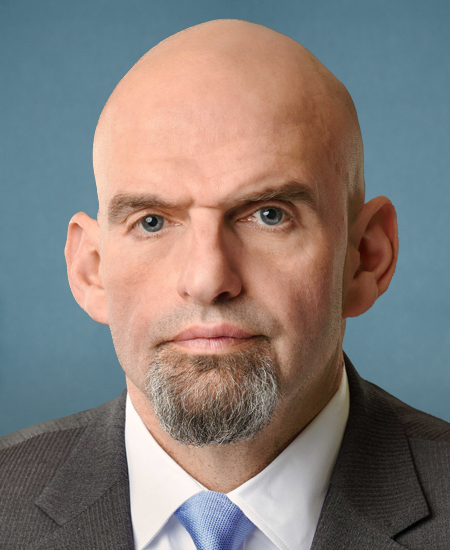
Sen. John Fetterman
Sponsored bills
Maddy summaryThe Full-Service Community School Expansion Act of 2023 authorizes $500 million to $1 billion annually to expand community schools that provide comprehensive student and family support. The bill targets schools with at least 40% of students eligible for free/reduced lunch or schools identified for improvement, requiring them to establish leadership teams with parent, educator, and community representation. It mandates schools receiving funds to provide integrated student supports (including health services), expanded learning opportunities, family engagement activities, and collaborative leadership structures that address academic, social, and emotional needs. The legislation requires schools to track progress on student outcomes including academic achievement, mental health, school climate, and family engagement, with a focus on reducing achievement gaps for historically marginalized students.
Maddy summaryThis bill creates a pilot program to prevent displacement and preserve affordable housing when infrastructure projects (like highway removals) affect communities. It requires planning for long-term affordable housing - using community land trusts, shared equity programs, or rental housing with 30-year affordability - before modifying infrastructure. The program mandates that projects include strategies to maintain affordability for low- and moderate-income residents and requires a 2027 report tracking costs, demographics, and partnerships with affordable housing organizations. It directly affects communities near infrastructure projects and low/moderate-income residents facing potential displacement.
Maddy summaryThis bill authorizes $50 million annually (2023-2027) for the VA to award grants to states to improve outreach and assistance for veterans and their families (including spouses, children, and parents) regarding veterans' benefits. States must use funds to hire more veterans service officers, expand outreach programs, or provide training, with priority for areas lacking officers, high veteran suicide rates, or frequent crisis line referrals. Grantees must submit detailed plans ensuring equitable distribution across urban/rural areas and addressing needs of underserved veterans (e.g., Native American, elderly, women veterans), while tracking benefit application timelines and outcomes. The VA will monitor performance, require remediation plans for underperforming states, and report annually to Congress.
Ending the Carried Interest Loophole Act This bill revises the tax treatment of partnership interests received in connection with the performance of services. It eliminates the concept of carried interest, a form of compensation received by certain partners in private equity, real estate, or hedge funds for investment management services. Under current law, such compensation can be deferred from taxation until income is realized by the partnership. The bill requires partners to recognize deemed compensation received from a partnership annually, taxed at ordinary income tax rates and subject to self-employment taxation. The bill eliminates a partner's ability to defer tax on such compensation.
Maddy summaryThe SUCCESS Act of 2023 establishes a grant program under the Higher Education Act to provide patient-centered academic support for student survivors of sexual assault and other violence at colleges and universities. Eligible institutions can receive 5-year grants to fund services like academic re-entry assistance, trauma-informed faculty training, confidential tutoring, and wrap-around mental health resources. The program prioritizes institutions with prior Title IX violations, community colleges, historically Black colleges, Tribal Colleges, and other minority-serving institutions. Grantees must report on student accommodations, graduation rates, and re-enrollment outcomes to evaluate effectiveness. This bill directly affects students who experienced campus violence and the institutions serving them through targeted academic support.
Maddy summaryThis bill limits the number of local pay zones (called "local wage areas") that can be defined within a single federal pay locality to just one, with an exception for the "Rest of United States" area. It directly affects federal employees covered under the General Schedule pay system, particularly those working in locations that previously had multiple pay zones. The key mechanism requires the Office of Personnel Management (OPM) to consolidate these zones, ensuring only one pay rate applies per geographic area, while preventing any reduction in current employees' basic pay. The law takes effect 180 days after enactment, applying to all relevant federal pay periods.
Maddy summaryThe Black Lung Benefits Improvement Act of 2023 aims to improve access to benefits for coal miners and their families suffering from black lung disease. It clarifies eligibility based on medical evidence (including chest CT scans), creates a program to pay attorneys' fees and medical expenses for qualifying claims, and ensures benefits adjust for inflation. The bill also establishes a process for reevaluating denied claims based on discredited chest radiographs and requires improved disclosure of employment information for claims. These changes are designed to make the benefits process more efficient and fair for miners who developed black lung disease due to coal dust exposure.
Maddy summaryThe Child Care Nutrition Enhancement Act of 2023 increases federal reimbursements for child care providers participating in the Child and Adult Care Food Program (CACFP). It adds a fixed 10-cent payment per meal or snack served, adjusted annually, to existing reimbursement rates for all CACFP providers, including child care centers and family day care homes. This change applies to all meals and supplements served under the program and takes effect in the first month after the bill is enacted. The amendment modifies multiple sections of the National School Lunch Act to incorporate this additional reimbursement into payment calculations.
Maddy summaryThe Lori Jackson-Nicolette Elias Domestic Violence Survivor Protection Act would strengthen firearm restrictions for individuals subject to domestic violence restraining orders. It expands the definition of "intimate partner" to include dating partners and others protected under state domestic violence laws, ensuring more abusers would be barred from possessing firearms. The bill requires courts to automatically issue firearm surrender orders when issuing domestic violence protection orders, requiring abusers to surrender all firearms within 24 hours. It also creates a federal grant program to help states implement these measures, including safe storage of surrendered firearms and procedures for returning them when no longer prohibited.