

Maddy summaryThe AGRITOURISM Act (S 3392) creates a new Agritourism Advisor position within the USDA to support rural businesses. This role will directly assist farms and ranches offering agritourism activities - like farm stays, winery tours, u-pick operations, and farm-to-table dining - by connecting them to federal resources. The Advisor will coordinate USDA programs, provide technical assistance, share best practices, and help update farm enterprise development tools. The bill aims to strengthen rural economies by making it easier for small agricultural businesses to diversify through tourism. It applies to all states, tribal lands, and USDA programs nationwide.
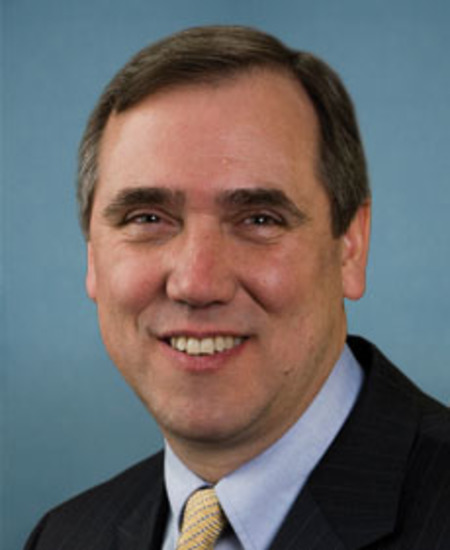
Sen. Jeff Merkley
Sponsored bills
Maddy summaryThis bill prohibits U.S. currency from featuring the likeness of any living or sitting U.S. president. It directly affects the U.S. Mint and currency design processes, requiring them to remove current or future presidential images from circulating coins and paper money. The provision would apply immediately to new currency designs and any existing designs featuring living presidents. This is a procedural change to currency policy with no other stated mechanisms or broader implications.
Maddy summaryThis bill authorizes $74 million annually for fiscal years 2026 and 2027 to restore U.S. funding for the United Nations Population Fund (UNFPA), directly supporting its global reproductive health programs. It specifically funds UNFPA's work to end preventable maternal deaths, address unmet contraceptive needs, prevent gender-based violence, and combat harmful practices like female genital mutilation and child marriage across 150+ countries. The funding applies to UNFPA's core operations in humanitarian crises (e.g., Yemen, Afghanistan, Sudan) and excludes programs in China. This would reverse the 2025 funding halt that already caused health center closures and service disruptions for millions of women and girls.
Maddy summaryThis bill requires national parks to reduce disposable plastic use by eliminating the sale of single-use plastic water bottles and other items like plastic bags and food containers. It directly affects park visitors (who must bring reusable bottles) and concessioners (like food vendors and shops). Key mechanisms include setting up water refill stations, developing visitor education plans, and requiring regional park directors to consider factors like safety, costs, and concessioner revenue before implementation. Parks must conduct biennial evaluations to track visitor satisfaction, waste reduction, and public health impacts. The law applies to all national park units, with some flexibility for parks already without plastic water sales.
Maddy summarySRES 533 is a non-binding Senate resolution condemning white supremacy, hate, and antisemitism, with specific focus on the promotion of these ideologies by white supremacist Nick Fuentes and his platforming by Tucker Carlson. It highlights Fuentes' Holocaust denial, antisemitic conspiracy theories (like the "Great Replacement" myth), and use of dog whistles, while criticizing Carlson for hosting Fuentes without challenge and Heritage Foundation's Kevin Roberts for defending such views. The resolution urges all elected officials and leaders to reject these ideologies whenever they occur, and affirms condemnation of Nazism and the Holocaust. As a formal expression of Senate opinion, it does not create new laws but serves as a public stance against harmful rhetoric.
Maddy summaryThis Senate resolution (SRES 530) condemns former President Trump's 2025 pardon of Juan Orlando Hernández, Honduras' former president convicted of drug trafficking conspiracy. It commends U.S. prosecutors and jurors who secured Hernández's 45-year prison sentence for his role in a major cocaine trafficking operation involving over 400 tons of drugs and bribes, including $1 million from a drug lord. The resolution states the pardon undermines U.S. anti-drug trafficking efforts and the rule of law, though it has no legal effect. As a symbolic statement, it does not change laws or policies.
Maddy summaryThe HALT Act of 2025 directs the U.S. government to negotiate a global nuclear freeze, requiring the President to pursue agreements that would halt testing, production, and deployment of nuclear weapons and delivery systems. Key provisions include seeking a verifiable freeze on nuclear arms development, negotiating numerical limits on weapons (based on 2019 levels), promoting "no first use" policies, and pushing for U.S. ratification of the Comprehensive Nuclear-Test-Ban Treaty (CTBT). The bill aims to build on existing treaties like New START and seeks to engage all nuclear-armed nations in these negotiations. It directly affects U.S. foreign policy and international arms control efforts, though it does not mandate specific cuts or binding limits on other countries.
Maddy summaryThe Restoring Patient Protections and Affordability Act of 2025 extends enhanced premium tax credits through 2028, making health insurance more affordable for lower- and middle-income individuals. It extends the 2026 open enrollment period through May 1, 2026, and restores funding for navigator programs that help people enroll in health insurance plans. The bill requires health insurance issuers to notify enrollees about changes to premium assistance and establishes $1,000 daily penalties for failing to comply with these notification requirements. Additionally, it limits surprise premium increases for people with household incomes below 400% of the poverty line and prevents premium spikes for those with ACA or employer coverage. These changes directly affect millions of people enrolled in health insurance plans through the Affordable Care Act marketplaces.
Maddy summaryS 3353, the Relief for Farmers Hit with PFAS Act, establishes a federal grant program to assist commercial farms and agricultural land affected by PFAS (chemicals found in some industrial products) contamination. Eligible states, tribes, or territories can receive funds to cover costs like monitoring health impacts, compensating for contaminated land or crops, upgrading equipment, conducting research on remediation, and providing financial aid to affected farmers. The program authorizes $500 million over five years (2026-2030), with funds prioritized for direct assistance to producers facing financial losses due to PFAS contamination. It requires annual reporting on fund usage and establishes a task force to advise on PFAS-related agricultural programs.
Maddy summaryThis bill prohibits U.S. military action against Venezuela without specific new congressional authorization. It blocks funding for Defense Department operations involving "hostilities" (defined as any use of lethal force by U.S. forces) except under two conditions: a new law passed after this bill's enactment, or a congressional authorization meeting War Powers Resolution standards. Key exceptions allow self-defense, protection of U.S. personnel, lawful counternarcotics operations, and humanitarian aid. The bill does not override the War Powers Resolution but requires stricter authorization for military engagement with Venezuela.