

Maddy summaryThis bill, titled the No Bailout for Crypto Act, prohibits the U.S. government from providing financial assistance to companies and systems involved in digital asset activities to prevent their failure or bankruptcy. It specifically bars Federal agencies from using emergency liquidity facilities, the Exchange Stabilization Fund, or other taxpayer resources to support digital asset intermediaries, decentralized finance protocols, or regulated financial service providers operating in the digital asset space. The legislation aims to establish a clear rule that digital asset market participants cannot receive taxpayer-funded bailouts, while maintaining the Federal Reserve's existing authority to lend to traditional depository institutions.
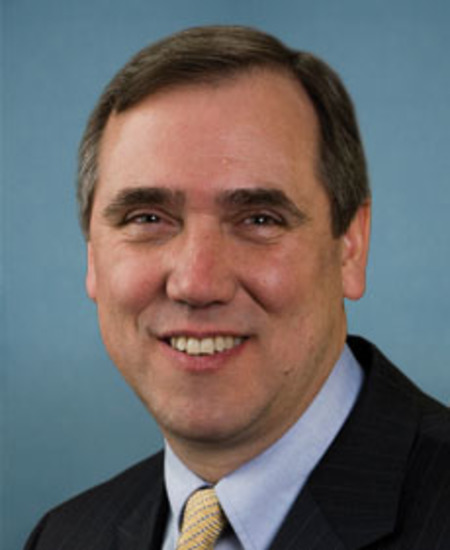
Sen. Jeff Merkley
Sponsored bills
Maddy summaryS 3812, the WORK to Save Lives Act, requires the Occupational Safety and Health Administration (OSHA) to issue guidance for most private employers on acquiring opioid overdose reversal medication and training employees annually, while mandating that all federal agencies (including the Veterans Health Administration) must acquire such medication and provide annual employee training. The bill directly affects federal agencies as mandatory participants and private employers (excluding the U.S. Postal Service) as recipients of non-mandatory guidance. Key provisions include a 270-day deadline for OSHA to issue these rules after the bill’s enactment. The law aims to improve workplace safety by making overdose reversal tools more accessible without imposing direct penalties on private businesses.
Maddy summaryThis bill creates a new grant program to help schools access naloxone for opioid overdose emergencies. It directly affects public and private elementary and secondary schools by requiring them to certify they have trained staff (like nurses or designated personnel), maintain accessible naloxone supplies, and have a plan for trained staff on-site during school hours. Schools must also confirm their state provides adequate legal protection for staff who administer naloxone. The grants, funded through the Public Health Service Act, support these requirements to enable immediate emergency treatment of opioid overdoses in school settings.
Maddy summaryS 2903, the Safe Step Act, requires health insurance plans and employers offering health coverage to establish a clear, timely process for patients or doctors to request exceptions when step therapy protocols (where insurers require trying cheaper drugs first) would harm a patient. It mandates approval for exceptions if prior drugs failed, delay would cause severe harm, a drug is unsafe, or a patient is stable on their current medication. Plans must respond to requests within 72 hours (or 24 hours in emergencies) and cover the requested drug without extra cost-sharing. The bill also requires annual reports to the government on exception requests, approvals, denials, and trends by medical condition or specialty. This directly affects patients on health plans with step therapy, their doctors, and the insurers managing those plans.
Maddy summaryS 2287, the Palliative Care and Hospice Education and Training Act, establishes federal funding to expand training for health professionals in palliative and hospice care. The bill creates multiple programs including grants for education programs, fellowships for faculty to gain specialized training, and career incentive awards for students pursuing palliative care specialties. It prioritizes training in rural and underserved areas, for pediatric populations, and for racial and ethnic minorities. The bill authorizes $15 million annually through 2030 to build a more skilled palliative care workforce for patients with serious or life-threatening illnesses.
Maddy summaryThis bill (S 1677, Ensuring Lasting Smiles Act) requires health insurance plans to cover medically necessary treatments for congenital anomalies or birth defects affecting the eyes, ears, teeth, mouth, or jaw. It mandates coverage for reconstructive services, dental/orthodontic care, and related treatments during the course of medical treatment, while excluding purely cosmetic procedures not medically necessary. Plans may apply cost-sharing requirements similar to those for other medical services but must provide notice about these coverage requirements to participants by January 1, 2026. The bill also directs a study on provider network adequacy and cost impacts related to these coverage requirements, to be completed by December 2027.
Maddy summaryThe National Nursing Workforce Center Act of 2025 establishes a two-year federal pilot program to create or enhance state-based nursing workforce centers. These centers, funded through $1.5 million annually (2026-2027), will analyze nursing workforce data, address shortages, and develop strategies for recruitment and retention - using matching funds requiring $1 non-Federal for every $4 federal dollar. Eligible entities like state nursing boards, schools of nursing, and nonprofits will use grants to conduct statewide research on education gaps, clinical staffing challenges, and strategies to improve rural access and workforce diversity. Centers must report annually on outcomes, including demographic data and best practices for reducing shortages across specialties and regions.
Resident Education Deferred Interest Act or the REDI Act This bill allows borrowers in medical or dental internships or residency programs to defer student loan payments until the completion of their programs.
Maddy summaryS 880, the Fair College Admissions for Students Act, bans colleges receiving federal student aid from giving preferential treatment to applicants based on family connections to donors or alumni. This amendment to the Higher Education Act of 1965 directly affects all institutions participating in federal financial aid programs. The key provision prohibits schools from considering an applicant’s relationship to donors (like major contributors) or alumni (like family members who graduated) during admissions decisions. The ban takes effect starting with the second academic year after the bill becomes law.
Maddy summaryThe HELP Copays Act requires that financial assistance from non-profit organizations or prescription drug manufacturers counts toward patients' annual out-of-pocket cost-sharing limits (like deductibles and copays) for certain prescription drugs. It directly affects individuals enrolled in group health plans or individual insurance who receive such assistance, ensuring payments from these sources reduce their total out-of-pocket spending. The bill amends key healthcare laws to include these payments in calculating cost-sharing thresholds, specifically for specialty drugs and drugs subject to utilization management (like prior authorization). It takes effect for plan years beginning in 2026 and does not change how utilization management tools are applied.