

Maddy summarySJRES 112 is a joint resolution seeking congressional disapproval of a Department of Commerce rule that would have suspended for one year the expansion of export controls on affiliates of certain entities already subject to U.S. restrictions. The rule, published in November 2025, aimed to delay stricter requirements for companies linked to designated entities under national security export regulations. If passed, this resolution would nullify the rule, requiring the expanded controls to take effect immediately instead of being paused. This directly affects businesses operating as affiliates of entities listed in U.S. export control programs.
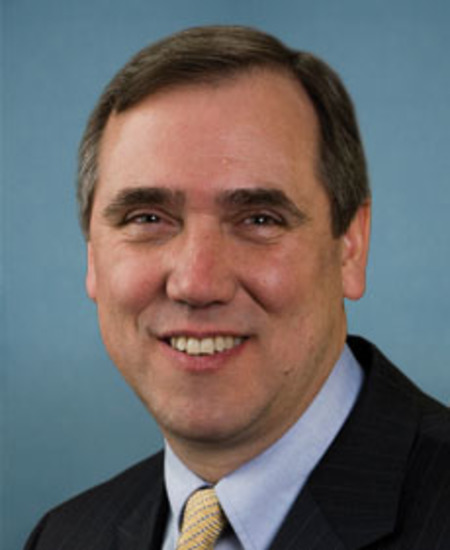
Sen. Jeff Merkley
Sponsored bills
Maddy summaryThis Senate resolution formally recognizes the week of May 3 through May 9, 2026, as National Small Business Week to honor the contributions of small business owners and entrepreneurs across the United States. The measure expresses appreciation for the economic role these businesses play and acknowledges the resilience of their owners and employees. By adopting this designation, the Senate aims to celebrate the entrepreneurial spirit within every community without imposing any new laws or regulations.
Maddy summaryThe Puppy Protection Act of 2026 amends the Animal Welfare Act to impose stricter housing and care standards on dog dealers. It requires dealers to provide dogs with solid flooring, sufficient indoor space based on size, and temperature control between 45 and 85 degrees Fahrenheit. The bill also mandates daily nutritious food, unrestricted outdoor exercise for most dogs over 12 weeks, and at least 30 minutes of daily social interaction with humans. Additionally, it establishes specific rules for breeding, such as limiting the number of litters a female dog can produce and requiring health screenings before breeding. These new requirements must be implemented through final regulations issued by the Secretary within 18 months of the law's enactment.
Maddy summaryThis bill, known as the Protecting Human Rights and Public Health in Foreign Assistance Act, directs federal agencies to ignore three specific final rules issued by the Department of State. It explicitly prohibits any government department from implementing, enforcing, or creating new policies similar to these existing rules, effectively treating them as if they never existed. The targeted regulations concern protecting life, combating discriminatory equity ideology, and addressing gender ideology within foreign aid programs. By nullifying these rules, the legislation removes the current administrative requirements related to these topics from U.S. foreign assistance activities.
Maddy summaryThe Tibet Atrocities Determination Act requires the Secretary of State to decide within one year whether the Chinese government's actions against Tibetans constitute genocide or crimes against humanity. This determination must be based on specific indicators such as forced displacement, cultural suppression, and the removal of children from their families. The bill also mandates a detailed report to Congress that includes evidence, expert consultations, and recommendations for potential U.S. policy responses like sanctions.
Maddy summaryThis Senate resolution formally welcomes King Charles III and Queen Camilla to the United States for a state visit where the King will address a joint session of Congress. The document highlights the long-standing diplomatic and security partnership between the two nations, noting shared values and cooperation on issues like defense and technology. It also marks the occasion as the first time a British monarch has addressed Congress since 1991, coinciding with the 250th anniversary of American independence.
Maddy summaryThis bill, titled the No Immunity for Glyphosate Act, allows individuals who have suffered physical injury, illness, or death due to exposure to glyphosate-based herbicides or elemental phosphorus to sue manufacturers and distributors in federal court. It removes legal protections that previously shielded these companies from liability, ensuring they cannot use federal orders or contracts as a defense against lawsuits. The legislation permits victims to seek compensation for medical costs, lost income, and other damages while explicitly preserving the ability to file similar claims under state laws.
Maddy summaryThe Protecting America's Workers Act expands workplace safety protections by including public employees and voluntary emergency responders under federal safety laws, while also strengthening whistleblower safeguards against retaliation. Key provisions require employers to report serious work-related injuries and deaths, mandate the posting of employee rights, and establish a process for victims and families to participate in enforcement proceedings. The bill also increases civil and criminal penalties for safety violations, improves oversight of state safety plans, and authorizes additional funding for training and hazard evaluations.
Maddy summaryThe Investing in the American Dream Act expands eligibility for Small Business Administration loans to include businesses owned by certain immigrants, such as refugees, asylees, and individuals with deferred action. To qualify, these businesses must be located in the United States and at least 51 percent owned and controlled by U.S. citizens or nationals of the United States. The law explicitly states that businesses meeting these ownership and location requirements cannot be denied loans solely because they are owned by eligible immigrants. Additionally, the bill clarifies that it does not grant the SBA authority to increase the 51 percent ownership threshold for any type of loan.
Maddy summaryThis joint resolution (SJRES 124) directs the President to remove U.S. military forces from Cuba unless Congress has declared war or specifically authorized military action against Cuba. It applies to all current operations in Cuba, including Coast Guard enforcement activities, which the resolution defines as "hostilities" under the War Powers Resolution. The bill asserts Congress holds the sole constitutional authority to authorize military force under Article I, Section 8 of the U.S. Constitution. It does not prevent defensive actions against imminent attacks or lawful counternarcotics operations.