

Maddy summaryThis bill ensures uninterrupted funding for Head Start programs in fiscal year 2026 by appropriating necessary funds from the Treasury if regular or continuing appropriations for that year are not enacted by September 30, 2026. It directly affects Head Start programs and the children and families they serve by preventing service disruptions during funding gaps. The key mechanism requires funding to continue under the same conditions as fiscal year 2025 (as established by the Full-Year Continuing Appropriations and Extensions Act, 2025) until either regular appropriations are passed, a specific appropriations resolution is enacted, or September 30, 2026. The bill does not create new funding but maintains current levels to avoid program interruptions.
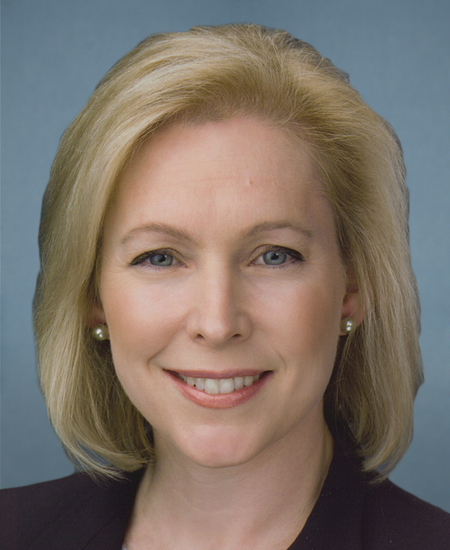
Sen. Kirsten E. Gillibrand
Sponsored bills
Maddy summaryThis bill amends existing laws to increase federal support for flood protection and watershed restoration projects. It allows the Secretary to fund measures that exceed immediate needs if they benefit long-term watershed health and prevent repeated damage. Local organizations managing flood control infrastructure can now receive up to 90% federal funding for rehabilitation projects in "limited resource areas" (compared to 65% generally), while still covering permit and resource rights costs themselves. The bill directly affects local governments and watershed groups undertaking flood prevention work by expanding eligible projects under conservation programs to specifically include flood/drought mitigation.
Maddy summaryThis bill (S 3141, the SAFE Act) prohibits federal Executive agencies from initiating or carrying out layoffs or staff reductions during a government funding gap (shutdown). It directly affects federal employees and agencies by banning actions like reduction-in-force (RIF) proposals, notices, or implementations when appropriations lapse. The law requires any such prohibited action taken after September 30, 2025, to be nullified, with no effect. It explicitly excludes voluntary separation programs under existing law and applies retroactively from the specified date.
Maddy summaryThe Fair Credit for Farmers Act of 2025 provides financial relief to eligible farmers and ranchers who are struggling with loan payments. It offers a 2-year payment deferral on direct farm loans for covered producers (including limited resource, socially disadvantaged, beginning, and veteran farmers), extends loan maturity dates by 2 years, and sets interest rates at 0.125% during the deferral period. The bill also requires lenders to waive guarantee fees on loans for covered producers and makes several reforms to farm loan programs, including improved transparency in adverse decisions and new equitable relief options for farmers wrongly denied loans. These changes aim to make farm lending more accessible and fair for struggling agricultural producers.
Maddy summarySRES 481 is a non-binding Senate resolution urging the Trump administration to use the USDA’s existing $4.5 billion contingency funds and interchange authority to fund the Supplemental Nutrition Assistance Program (SNAP) for November 2025. The resolution states that SNAP is an entitlement program requiring government funding, and the USDA legally has the authority to draw from these reserves to avoid benefit disruptions. This would directly support the 42 million Americans who rely on SNAP, including 16 million children, 8 million seniors, 4 million people with disabilities, and 1.2 million veterans. The resolution does not change the law but calls for immediate action to maintain food assistance during a potential funding gap.
Maddy summaryThe Social Security Emergency Inflation Relief Act (S 3078) would provide an additional $200 monthly payment to Social Security beneficiaries, Supplemental Security Income (SSI) recipients, railroad retirement beneficiaries, and veterans receiving disability compensation or pension payments during the six-month period from January 1 to June 30, 2026. These payments would be delivered automatically through existing benefit channels and would not count as income for tax purposes or affect eligibility for other government assistance programs. The bill allocates $11 million for Treasury administrative costs and $83 million for the Social Security Administration to manage the payments, with funding covering the entire implementation period. This temporary measure aims to provide direct financial relief to vulnerable groups during a specified inflationary period.
Maddy summaryThis bill provides temporary funding for military pay and certain civilian employee salaries during fiscal year 2026 if Congress hasn’t passed regular appropriations. It covers all active-duty military members, reserve personnel on active duty or training, and civilian employees of the Defense Department, Coast Guard, intelligence community (including the CIA and National Intelligence Director’s office). The funding remains available until either regular appropriations are enacted, the Intelligence Authorization Act passes, or September 30, 2026. It does not change existing pay policies but ensures continuous payment during budget gaps.
Maddy summaryThis bill ensures uninterrupted access to SNAP (food stamps) and WIC benefits during government funding gaps in fiscal year 2026. It authorizes the Treasury to provide emergency funds if Congress fails to pass full-year appropriations for the Department of Agriculture by September 30, 2025, covering all missed benefits retroactively from September 30, 2025. State agencies administering these programs would be reimbursed for costs incurred during the funding lapse. The funding automatically terminates once Congress passes 2026 appropriations or by September 30, 2026.
Maddy summaryThis bill provides temporary student loan relief for federal employees and their supporting contractors during government shutdowns. If a shutdown lasts 14+ days in 2026 or later, the Secretary of Education must suspend all federal student loan payments for these "covered individuals," halt interest accrual, and count the suspended months toward loan forgiveness eligibility. It also requires credit reporting agencies to treat suspended payments as if made on time and allows refunds for payments made during qualifying shutdowns. The relief applies retroactively from September 2025.
Maddy summaryThis bill changes how Social Security cost-of-living adjustments (COLAs) are calculated for seniors, directly affecting beneficiaries aged 62 and older who receive Social Security benefits. It requires the government to use either the standard Consumer Price Index for Wage Earners (CPI-W) or a new index tracking costs for seniors (CPI-E), whichever results in a larger annual adjustment. The bill directs the Bureau of Labor Statistics to publish the CPI-E index, reflecting spending patterns of seniors, and uses a research index until it becomes available. The changes would apply to COLAs calculated for cost-of-living computation quarters ending on or after September 30, 2026.