

Maddy summaryS 3302, the Mikaela Naylon Give Kids a Chance Act of 2025, requires drug manufacturers developing cancer treatments to conduct pediatric-focused research for certain drugs targeting pediatric cancer mechanisms. It amends FDA drug approval processes to mandate molecularly targeted pediatric cancer investigations for drugs with new active ingredients or specific approved combinations, ensuring studies address dosing, safety, and efficacy for children. The bill also extends priority review vouchers (which expedite FDA reviews) for rare pediatric disease treatments until 2030 and mandates GAO studies to evaluate how effectively these incentives spur new pediatric cancer drug development. These changes apply to new drug applications submitted three years after the law's enactment, with reports due to Congress at 6, 8, and 10 years.
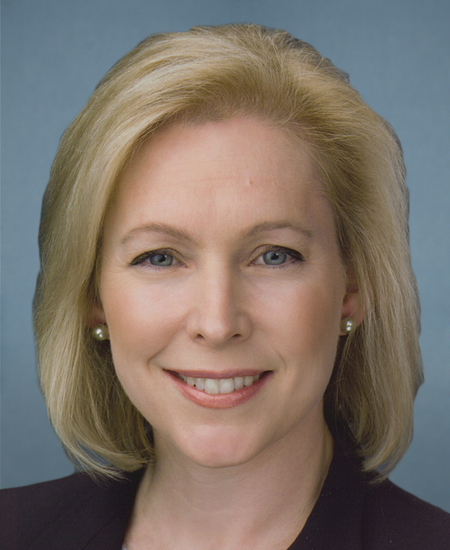
Sen. Kirsten E. Gillibrand
Sponsored bills
Maddy summaryThe Roadless Area Conservation Act of 2025 would maintain existing protections for designated roadless areas within the National Forest System by prohibiting new road construction, reconstruction, or logging in those areas. It directly affects National Forest lands managed by the U.S. Department of Agriculture’s Forest Service, where the Roadless Rule already restricts such activities. The bill’s key mechanism requires the Secretary of Agriculture to enforce these current restrictions without adding new limitations. This policy change preserves existing protections for watersheds, wildlife habitats, recreation opportunities, and culturally significant sites within these roadless areas.
Maddy summaryThis bill requires the Secretaries of Defense and Veterans Affairs to evaluate existing research on menopause, perimenopause, and mid-life health for women serving in the military or who are veterans. It directs them to identify gaps in knowledge about treatments for symptoms, the impact of military service (including combat exposure and toxins like PFAS), and the availability of care and training for healthcare providers. Within 180 days of enactment, the departments must submit a report and strategic plan to Congress detailing findings and outlining steps to address research gaps and improve care. The law directly affects military women, veterans, and their healthcare providers by aiming to enhance understanding and services for menopause-related health issues.
Maddy summaryThis bill creates a grant program to help family caregivers of older adults or individuals with disabilities. It provides funds to states, nonprofits, tribes, or senior centers to develop integrated services offering both respite care (temporary relief from caregiving) and additional support services in the same location. The program requires services to be accessible through translation, assistive technology, and multiple formats, including American Sign Language. It directly affects family caregivers, including older relatives (age 55+) caring for children or disabled individuals, who are not professional caregivers.
Maddy summaryThis bill amends the Older Americans Act to integrate "food is medicine" programs into existing nutrition services for older adults. It adds specific references to produce prescriptions, medically tailored meals, and community-based food programs in eligibility screening, caregiver support, and nutrition counseling. The key change requires programs to include referrals to these food-based interventions as part of standard service delivery. This directly affects older Americans receiving nutrition services under the Older Americans Act by expanding available support options through existing federal and community programs.
Maddy summaryThis bill caps interest rates at 6% for servicemembers who consolidate or refinance student loans they took out *before* joining the military, during their active duty service. It directly affects active-duty service members (and their spouses jointly) who use consolidation or refinancing to manage pre-service student debt. The key provision limits interest rates on these specific consolidation/refinancing actions to 6% for the duration of military service, while excluding other debts. The bill defines "student loan" to include both federal loans under the Higher Education Act and private loans meeting Truth in Lending Act standards. This is a concrete interest rate change for a specific type of military-related debt consolidation.
Maddy summaryThe Healthy MOM Act (S 3274) would require health insurance plans to provide a special enrollment period for pregnant individuals beginning when pregnancy is reported to the insurer. It mandates that group health plans cover maternity care for dependents regardless of age, including labor and delivery, and extends Medicaid eligibility during pregnancy and postpartum. The bill requires 12 months of continuous coverage for pregnant and postpartum individuals under Medicaid and CHIP, replacing the current 60-day postpartum coverage period. These provisions aim to improve access to maternity care for women, particularly those from communities disproportionately affected by maternal mortality, such as Black and American Indian/Alaska Native women. The changes would apply to plan years beginning January 1, 2027, with some provisions having earlier effective dates for certain programs.
Maddy summaryS 3267, the ASAP Act, would require Medicare to cover early detection screening tests for Alzheimer's disease and related dementias starting January 1, 2028. The bill defines these tests as FDA-cleared or approved blood, genomic, or imaging-based screenings for pre-symptomatic or early-stage detection. It directly affects Medicare beneficiaries aged 65+ who may be at risk for Alzheimer's, ensuring coverage for these specific tests once approved. The key provision adds these screenings to Medicare's payment system under Section 1833(h)(1)(A) of the Social Security Act.
Maddy summaryS 3271, the In-Home CARE Act, establishes a federal grant program to support family caregivers of individuals with chronic health conditions, disabilities, or functional limitations who receive care at home. The bill authorizes 3-year competitive grants for eligible organizations (like local agencies, healthcare entities, or nonprofits) to provide home visiting services that assess caregivers' needs, offer evidence-based education (e.g., on medication management, fall prevention, or mental health support), and connect caregivers to resources like respite care or home modifications. These grants require grantees to conduct initial assessments, deliver targeted training, and coordinate with existing programs like the National Family Caregiver Support Program. The goal is to help caregivers better support their loved ones at home, potentially reducing hospitalizations and institutional care while improving quality of life for both caregivers and care recipients.
Maddy summaryThe SWIFT Act amends Social Security benefits to better support widows, widowers, and surviving divorced spouses with disabilities. It removes the previous age restriction requiring beneficiaries to be between 50 and 60 years old to receive full benefits, eliminates reductions for those claiming benefits before retirement age, and increases the age limit for dependent children from 16 to 18 (or 19 for full-time students). The bill creates new mechanisms to increase benefits for those who delay claiming, ensures current beneficiaries won't face reduced benefits due to these changes, and requires the Social Security Administration to provide clear information about survivors' benefits. These changes apply to benefits payable on or after January 1, 2027.