

Maddy summaryThis bill, titled the Working Americans' Tax Cut Act, proposes two main tax changes: it creates an alternative maximum tax rate of 25.5% for low- and middle-income individuals earning less than 175% of a cost-of-living exemption, and it imposes a progressive surcharge on high-income individuals earning over $1 million. The low-income provision calculates taxes based on income above a living expense threshold that adjusts annually with inflation, while the high-income surcharge applies rates of 5%, 10%, and 12% to income brackets above $1 million, $2 million, and $5 million respectively. Both provisions use modified adjusted gross income as the base for calculations and apply to taxable years beginning after December 31, 2025. The bill would directly affect individual taxpayers by altering how their income is taxed under the Internal Revenue Code.
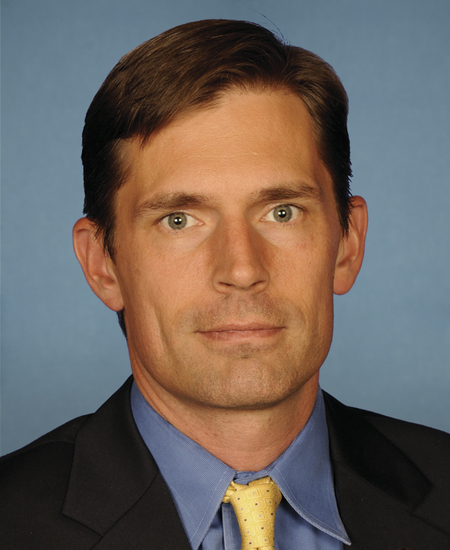
Sen. Martin Heinrich
Sponsored bills
Maddy summaryThis bill, titled the Tariff Refunds for Working Families Act, would create a new tax credit for eligible individuals in 2026, providing $600 per adult and $600 per qualifying child. The credit is limited to taxpayers with adjusted gross income below $180,000 for joint filers, $120,000 for heads of household, and $90,000 for other filers. The legislation states that the revenue for these rebates would come from tariffs described as unlawful, including those imposed under the International Emergency Economic Powers Act. Payments would be issued rapidly after enactment, with no interest allowed on the refunds, and the bill includes provisions for coordinating payments with U.S. territories.
Reclaim Trade Powers Act This bill repeals the statute that directs the President to take certain actions, such as imposing a tariff of up to 15% for up to 150 days on articles imported into the United States, when necessary to address large and serious U.S. balance-of-payments deficits or certain other situations that present fundamental international payments problems.
Living Donor Protection Act of 2025 This bill prohibits life insurance, disability insurance, and long-term insurance carriers from denying or otherwise restricting coverage for living organ donors. Specifically, carriers may not deny, cancel, vary premiums, or otherwise impose conditions on policies based on an individual's status as a living organ donor. The bill also expressly specifies that recovery from organ-donation surgery constitutes a serious health condition that entitles eligible employees to job-protected medical leave. In addition, the Department of Health and Human Services must update educational materials on living organ donation to include information about the benefits and risks of living organ donation and the impact of donation on insurance access, particularly with respect to the bill's changes.
Maddy summaryThis concurrent resolution formally recognizes March 10, 2026, as "Abortion Provider Appreciation Day" to honor abortion providers and staff for their work in delivering essential reproductive care. It highlights their courage amid challenges including clinic closures, safety threats, and increased harassment following the Dobbs decision. The resolution symbolically affirms Congress's support for providers' safety and patients' access to abortion care, without creating new legal requirements or affecting any individuals directly. (1 sentence; procedural resolution)
Maddy summaryThis bill creates a federal tax credit for businesses that purchase electric lawn, garden, and landscaping equipment that produces zero emissions. The credit allows eligible businesses to claim 40 percent of the equipment's cost as a tax reduction, with annual limits of $25,000 and a 10-year aggregate cap of $100,000. Covered equipment includes electric-powered mowers, trimmers, and other landscaping tools powered by electricity, batteries, or solar energy, as well as batteries and generators used to charge them. The credit applies to equipment placed in service after December 31, 2024, and expires five years after the bill is enacted.
Maddy summaryThis bill reauthorizes the Tropical Forest and Coral Reef Conservation Act of 1998, which provides funding to protect tropical forests and coral reefs around the world. It directly affects the U.S. government agencies responsible for implementing conservation programs, primarily through the Department of State. The key provision allocates $20 million annually for fiscal years 2028 through 2032 to support ongoing conservation efforts. This legislation extends existing funding authority without changing the underlying conservation goals or program structure.
This joint resolution directs the President to remove U.S. Armed Forces from hostilities within or against Iran unless a declaration of war or authorization to use military force for such purpose has been enacted. The resolution specifies that it shall not be construed to prevent the United States from defending against an attack on the United States or its personnel or facilities in other nations.
Maddy summaryThis bill, the PrEP Access and Coverage Act of 2026, requires most health insurance plans to cover HIV prevention medication without charging patients any cost-sharing fees. It directly affects people enrolled in private insurance, Medicare, Medicaid, and other government health programs by mandating that these plans cover the medication, related lab tests, and follow-up care without requiring prior approval. The law also prohibits insurance companies from denying life, disability, or long-term care insurance to individuals taking HIV prevention medication and requires a public education campaign to increase awareness about the medication.
Maddy summaryThis bill, known as the DISCLOSE Act of 2026, strengthens campaign finance transparency by requiring corporations, labor organizations, Super PACs, and other entities to disclose more information about their spending and funding sources. It closes loopholes that allow foreign nationals to contribute to U.S. elections by expanding disclosure requirements and prohibiting foreign money in ballot initiatives and referenda. The legislation also mandates that certain advertisements include lists of top funders and requires reporting of spending related to federal judicial nominations. Additionally, it streamlines administrative processes for challenging campaign finance laws and ensures coordination between the Federal Election Commission and financial authorities to enforce these rules.