

Maddy summarySRES 148 is a ceremonial resolution passed by the U.S. Senate to honor the late Senator Alan K. Simpson of Wyoming, who died in 2022. The resolution expresses the Senate's "profound sorrow and deep regret" over his passing and formally requests the Secretary of the Senate to transmit an enrolled copy to his family. It also directs the Senate to adjourn as a mark of respect during its final session following the resolution's adoption. This resolution has no policy impact or direct effect on constituents - it solely serves as a formal tribute to Simpson's legacy.
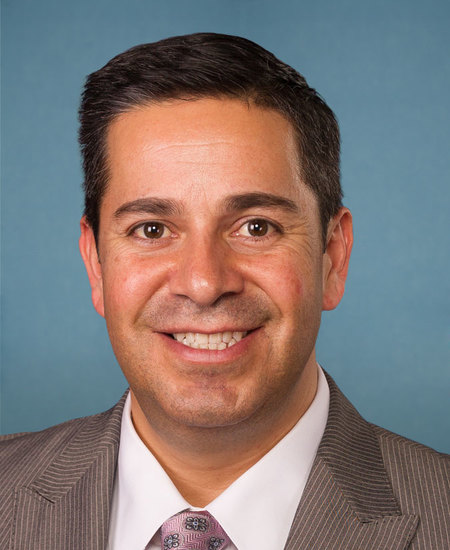
Sen. Ben Ray Luján
Sponsored bills
Maddy summaryThe Housing Vouchers Fairness Act (S 1203) directs the federal government to provide additional rental voucher funding annually to public housing agencies (PHAs) serving the fastest-growing U.S. areas. It targets PHAs managing housing assistance in regions with populations over 100,000 that ranked among the top 25 U.S. areas for population growth between 2012 and 2022. The bill authorizes $2 billion for fiscal year 2025 (and subsequent years until expended) to be distributed equitably based on each PHA’s population size, current voucher shortages relative to housing needs, and historical underfunding due to population growth. This funding aims to address gaps in housing affordability for tenants in high-growth communities by adjusting the existing voucher allocation formula.
Maddy summaryThe Feral Swine Eradication Act makes a federal program for controlling feral swine permanent, replacing a previous pilot initiative. It allocates $75 million for fiscal years 2025-2030 to fund eradication efforts in areas where feral swine threaten agriculture, ecosystems, or human/animal health (as determined by the Secretary). The bill requires one year of post-eradication monitoring in affected areas and mandates two reports to Congress detailing program activities, funding use, and success in reducing swine-related damage to crops, wildlife, and public safety.
Maddy summarySJRES 43 proposes a constitutional amendment allowing Congress and state governments to set reasonable limits on campaign contributions and expenditures intended to influence elections. It would permit distinctions between individuals and corporations, including the potential prohibition of corporate spending in political campaigns. The amendment explicitly protects the freedom of the press from being restricted by these regulations. If ratified by three-fourths of state legislatures, this change would directly affect candidates, political committees, and organizations that spend money to influence elections.
Maddy summarySRES 144 is a non-binding Senate resolution recognizing the heritage, culture, and contributions of Latinas in the United States. It highlights their impact across diverse fields - including science, arts, military service, and the economy - while noting ongoing challenges like the 58-cent pay gap for Latinas compared to White, non-Hispanic men. The resolution honors their historical and contemporary achievements without creating new policies or funding. It was introduced by 28 Senators and serves as a symbolic acknowledgment of Latinas' role in shaping U.S. society.
Maddy summaryS 1172, the Honor Farmer Contracts Act of 2025, requires the Department of Agriculture to immediately reinstate funding for all pre-enactment contracts with farmers and agricultural service providers. It mandates rapid payment of all overdue amounts owed under these agreements and prohibits canceling signed contracts unless a farmer or provider violates terms. The bill also prevents the closure of key local offices (like Farm Service Agency or NRCS offices) without 60 days' written notice to Congress. This directly affects farmers, agricultural businesses, and rural service offices by securing existing financial commitments and operational access.
Maddy summaryThis bill modifies how Medicare calculates rebates for certain drugs to potentially lower costs for beneficiaries. It changes the reference year for rebate calculations from 2021 back to 2016 for both Medicare Part B (outpatient drugs) and Part D (prescription drug coverage) programs. The bill also adjusts how drug units are counted for rebates, excluding units paid for through state Medicaid programs or other existing rebate programs. These changes apply to Part B rebates starting January 2026 and Part D rebates starting October 2025. The policy directly affects drug manufacturers who pay Medicare rebates and impacts Medicare beneficiaries through potential cost reductions in covered drugs.
Maddy summaryThe America's Red Rock Wilderness Act (S 1193) would designate approximately 3.3 million acres across nine distinct wilderness areas in Utah as protected wilderness. These areas include the Great Basin, Grand Staircase-Escalante, Moab-La Sal Canyons, Henry Mountains, Glen Canyon, San Juan, Canyonlands Basin, San Rafael Swell, and Book Cliffs-Greater Dinosaur regions. The bill would manage these areas under the Wilderness Act, preserving them for recreation, wildlife habitat, and cultural values while allowing continued livestock grazing under existing regulations. It also includes provisions to protect Tribal rights and water rights within the designated wilderness areas, with specific administrative guidelines for roads, land management, and Tribal consultation.
Maddy summaryThis bill limits how long individuals can serve as special government employees (SGEs) to 130 days in any 365-day period, requiring agencies to reclassify them into standard positions after exceeding this threshold. It creates a public database listing key details for "covered" SGEs (those with duties comparable to GS-11 level or higher, not on advisory committees, and not in student roles), including name, title, pay, agency, and employment dates. Agencies must update the database within 30 days of personnel changes and publicly post financial disclosure reports for these individuals, excluding reports containing national defense information or specific exempt categories. The database will be accessible online without registration, ensuring transparency about SGE roles and compensation.
Maddy summarySRES 142 is a Senate resolution recognizing the heritage, culture, and contributions of American Indian, Alaska Native, and Native Hawaiian women. It highlights specific achievements, including over 4,400 women serving in the military as of 2025, more than 11,600 women owning businesses as of 2024, and historical roles in fields like science, medicine, and cultural preservation. As a symbolic resolution, it does not create new laws or allocate funds but publicly honors these women’s contributions to communities, tribal sovereignty, and U.S. history without mandating policy changes.