

Maddy summaryThis bill establishes new health and documentation requirements for importing live dogs into the U.S. It requires all imported dogs to be vaccinated, parasite-free, properly identified, and accompanied by a certificate from an accredited veterinarian. Importers must submit electronic documentation before arrival, and dogs imported for transfer (like adoption or sale) must be at least 6 months old. Exceptions exist for research, veterinary treatment, or Hawaii-specific cases where dogs stay within the state. Violations could trigger fines, quarantine, or removal of dogs.
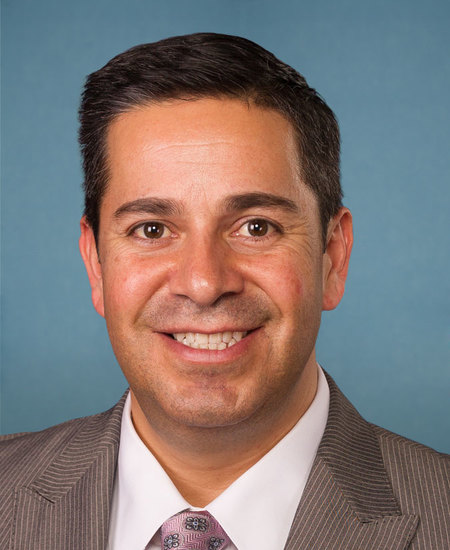
Sen. Ben Ray Luján
Sponsored bills
Maddy summarySRES 67 is a symbolic Senate resolution designating February 2023 as "Career and Technical Education (CTE) Month" to recognize CTE's role in preparing students for high-demand careers. It does not create new policies or funding but expresses Senate support for CTE programs that connect students with workforce skills in fields like healthcare, technology, and construction. The resolution encourages educators and parents to promote CTE as a valuable educational pathway, referencing the 106th anniversary of the foundational Smith-Hughes Vocational Education Act. As a procedural resolution, it has no direct impact on legislation or affected individuals.
Maddy summaryThis symbolic Senate resolution (SRES 69) designates February 18-25, 2023, as "National FFA Week" to celebrate the 95th anniversary of the National FFA Organization. It recognizes FFA’s role in developing future agricultural leaders through its educational programs, which serve over 850,000 students across all 50 states and territories. The resolution has no legal effect - it is a ceremonial expression of support, not a policy change. It directly affects the FFA organization and its members by highlighting their educational mission during a designated week.
Maddy summaryThis bill establishes a federal research program to improve the identification and remediation of abandoned oil and gas wells. It requires the Secretary to create a program within 120 days to develop better technologies for locating wells (using LiDAR, sensors, etc.), understand methane emissions from different well types, and improve plugging methods - including low-carbon materials and repurposing wells for geothermal energy or carbon storage. The program will receive $30-35 million annually from 2023-2027, with coordination involving universities, national labs, and private industry. This directly affects federal and state environmental agencies and communities near abandoned wells by addressing methane leaks and groundwater risks through research, not immediate cleanup.
Maddy summaryThe Outdoors for All Act establishes a federal grant program to fund outdoor recreation projects in underserved communities. It provides funding for eligible entities (like cities, counties, tribes, or nonprofits) to acquire land for parks or develop outdoor facilities in qualifying areas - urban regions with 25,000+ people, adjacent clusters, or tribal lands. Grants prioritize projects that improve park access in low-income neighborhoods, engage youth, create jobs, and support cultural gathering spaces, while requiring a 100% cash or in-kind match (with possible waivers). Funds cannot cover maintenance, indoor facilities, or restricted-access land, and recipients must submit annual progress reports to the Interior Secretary.
Maddy summaryThis resolution (SRES 63) is a symbolic Senate measure formally celebrating Black History Month. It acknowledges the contributions of African Americans to U.S. history and society, recognizes the origins of Black History Month (beginning as Negro History Week in 1926), and encourages nationwide reflection on this history. The resolution does not create new laws or policies but serves as a formal Senate acknowledgment of the significance of Black History Month in February. It aims to honor the legacy of African American pioneers and promote learning about their impact on the nation.
Maddy summaryThis bill directs the Health Resources and Services Administration (HRSA) to create a national public education campaign focused on improving oral health literacy and awareness. The campaign will target specific groups including children, pregnant women, the elderly, people with disabilities, and racial/ethnic minorities (such as Indigenous and Native Hawaiian communities), using culturally and linguistically appropriate materials. It requires evidence-based strategies to prevent oral diseases like cavities, gum disease, and oral cancer, and mandates measuring the campaign's effectiveness. The bill authorizes $750,000 annually from 2024-2028 for this effort and requires a report to Congress on outcomes within three years.
Maddy summaryThis bill creates a Public Health Information and Communications Advisory Committee to advise the Secretary on effective communication of scientific health information during emergencies, including strategies to address misinformation. It also funds $45 million annually (2023-2027) for evidence-based public education initiatives that teach the public to identify credible health information and misinformation, with specific focus on underserved communities and culturally appropriate messaging. The committee must report on communication strategies within 180 days of receiving its recommendations, and the committee itself terminates 4 years after the bill's enactment. The bill directly affects public health officials, federal agencies, and the general public by establishing new processes for health communication during crises.
Maddy summaryThis bill increases the tax rate on corporate stock buybacks from 1% to 4% for companies purchasing their own shares. It also creates an exception for stock issued to certain covered employees (like executives under existing compensation rules), meaning those shares wouldn't count toward the tax. The tax hike applies to buybacks occurring after the bill's enactment date, while the employee stock exception applies to stock issued after enactment. The bill directly affects corporations that repurchase shares, particularly those with executive compensation plans involving stock grants.
Maddy summaryS 325, the Supreme Court Ethics Act, establishes new ethics rules for Supreme Court justices and creates an enforcement mechanism. It requires the Judicial Conference to issue a binding code of conduct for justices within one year, followed by the appointment of an Ethics Investigations Counsel to handle public complaints about potential violations and conduct harming the Court's administration. The Counsel must investigate allegations, report annually on complaints, and disclose reasons for recusal or denial of recusal motions in public court records. This directly affects Supreme Court justices and the public's ability to monitor judicial conduct.