

Maddy summaryThis bill, known as the Professional Degree Access Restoration Act, aims to restore federal student loan limits that were previously reduced for graduate and professional students. It directly affects students pursuing advanced degrees such as law, medicine, and education by increasing the amount of federal loans they can access. The legislation reverses specific loan cap reductions established by Public Law 119-21, allowing students to borrow more money during their period of instruction. By amending the Higher Education Act of 1965, the bill removes certain restrictions on annual and aggregate loan amounts for these student categories.
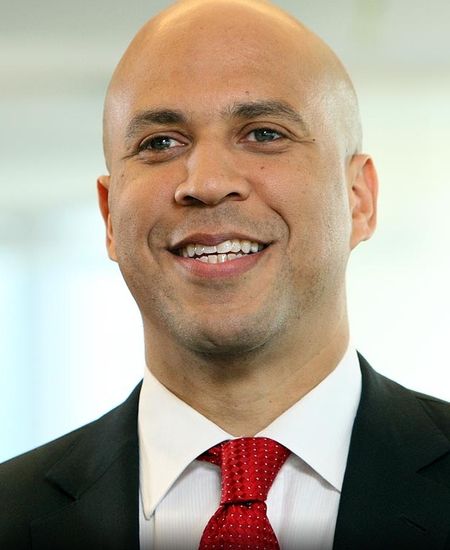
Sen. Cory A. Booker
Sponsored bills
Maddy summaryThis bill directs the President to remove U.S. military forces from hostilities against Iran that lack congressional authorization, specifically referencing the February 2026 "Operation Epic Fury" as an example of unauthorized action. It requires the removal unless Congress has declared war or passed a specific authorization for military force against Iran. The resolution clarifies it does not prevent defensive actions against attacks on U.S. personnel, intelligence sharing with allies attacked by Iran, or providing defensive aid to partners. It is based on constitutional authority (Article I, Section 8) and the War Powers Resolution, aiming to ensure military deployments comply with congressional oversight.
Maddy summarySJRES 117 is a joint resolution requiring the removal of U.S. Armed Forces from hostilities against Iran that lack congressional authorization. It directs the President to withdraw military forces from Iran unless Congress has declared war or passed a specific authorization for military action. The resolution includes exceptions allowing defense against attacks, intelligence sharing, assistance to allies like Israel, and evacuating U.S. citizens. This bill directly affects military operations in Iran and the executive branch's authority to conduct such operations without explicit congressional approval.
Maddy summaryThis resolution (SRES 628) is a symbolic Senate gesture supporting the designation of March 2026 as "Music in Our Schools Month." It recognizes music's cultural importance in the U.S., its historical role in education, and existing disparities in access to music programs - particularly for students in underserved urban, rural, and high-poverty schools. The resolution does not create new requirements or funding but formally expresses the Senate's support for prioritizing music education in public schools.
Maddy summaryThe Supplemental Security Income Restoration Act of 2026 updates eligibility rules and benefit amounts for the Supplemental Security Income (SSI) program, which provides financial assistance to low-income individuals with limited resources. The bill increases income and resource limits for SSI recipients, exempts certain retirement accounts and tribal welfare payments from counting toward eligibility limits, and extends the SSI program to U.S. territories including Puerto Rico, the U.S. Virgin Islands, Guam, and American Samoa. Additionally, the legislation repeals a marriage penalty that previously reduced benefits for married couples and clarifies how various state tax credits and in-kind support are treated when determining eligibility.
Maddy summaryThis bill, titled the Stop Militarizing Our Streets Act of 2026, would prohibit the Department of Defense from selling or purchasing certain weapons and ammunition in the commercial marketplace. It directly affects the Department of Defense, private contractors, and firearms dealers by restricting access to military-grade assault weapons and high-caliber ammunition. The law requires dealers to meet strict background check standards, maintain detailed electronic records, implement security measures, and complete mandatory training on recognizing illegal activity. Additionally, the bill mandates annual reporting to Congress on government-owned plants that produce firearms and ammunition for commercial sale.
Maddy summaryThis bill, titled the Family Grocery and Farmer Relief Act, aims to increase competition in the U.S. meatpacking industry by requiring the Federal Trade Commission to break up large companies that control multiple types of meat processing. It prohibits major meatpacking firms from operating in more than one protein line (beef, pork, or poultry) and mandates divestiture of assets for companies that exceed market concentration thresholds. The legislation also targets foreign-owned meatpacking companies by requiring them to divest U.S. operations and includes provisions to prevent vertical consolidation between packers and feedlots. Additionally, the bill directs the FTC to use existing authority to address unfair pricing practices and authorizes funding for farmers' cooperatives and small businesses to acquire divested meatpacking facilities.
Maddy summaryThis bill, known as the Guarantee Access to Arts and Music Education Act of 2026, amends the Elementary and Secondary Education Act of 1965 to expand federal funding for arts and music programs in public schools. It requires that schools receiving federal education funds provide sequential, standards-based arts and music education taught by certified educators, including dance, theater, visual arts, and music. The legislation also allows schools designated for targeted assistance to use federal funds to support arts and music programs that address students' academic needs, covering costs for supplies, instruments, and teacher training. These changes directly affect public schools and school districts that receive funding under the Elementary and Secondary Education Act.
This joint resolution directs the President to remove U.S. Armed Forces from hostilities within or against Iran unless a declaration of war or authorization to use military force for such purpose has been enacted. The resolution specifies that it shall not be construed to prevent the United States from defending against an attack on the United States or its personnel or facilities in other nations.
Maddy summaryThis bill, the PrEP Access and Coverage Act of 2026, requires most health insurance plans to cover HIV prevention medication without charging patients any cost-sharing fees. It directly affects people enrolled in private insurance, Medicare, Medicaid, and other government health programs by mandating that these plans cover the medication, related lab tests, and follow-up care without requiring prior approval. The law also prohibits insurance companies from denying life, disability, or long-term care insurance to individuals taking HIV prevention medication and requires a public education campaign to increase awareness about the medication.