

Maddy summaryThe BOLUSTER Act (S 4433) strengthens U.S.-European cooperation to deter Chinese military action against Taiwan. It requires the U.S. to consult with European governments on sanctions against China if Beijing engages in actions like occupying Taiwan territory, blockading the island, or supporting Russia's war in Ukraine. The bill mandates development of a humanitarian aid plan for Taiwan in case of invasion or blockade, and requires a report on the economic impact of a sustained Chinese blockade. It also calls for increased political and economic relations between Europe and Taiwan, including new trade agreements and diplomatic engagement. Additionally, the legislation establishes an expedited process for European countries to transfer military equipment to Taiwan.
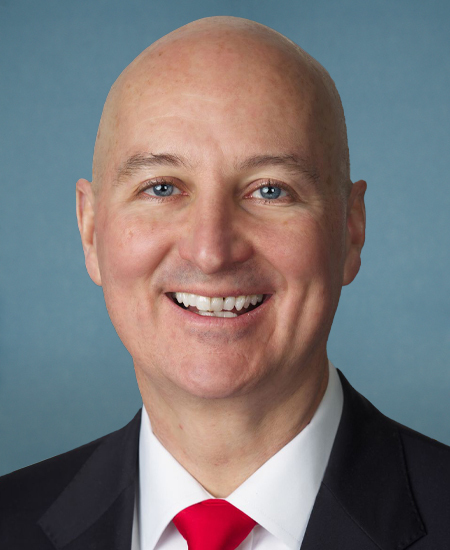
Sen. Pete Ricketts
Sponsored bills
Maddy summaryThis joint resolution (SJRES 58) seeks congressional disapproval of a Department of Energy rule establishing new energy efficiency standards for consumer furnaces. It targets the specific rule published in the Federal Register on December 18, 2023 (88 Fed. Reg. 87502), which set requirements for furnace manufacturers. If passed, the resolution would nullify this rule, preventing it from taking effect and requiring the Department of Energy to withdraw the standards. The resolution directly affects furnace manufacturers and consumers by halting the implementation of these new efficiency requirements.
Maddy summaryThis bill, S 1274 (REEF Act), amends the 2020 Railroad Unemployment Insurance payment rules to clarify when certain provisions apply. It removes specific paragraphs and changes the effective date to make the payment rules retroactive, as if they had been in place before the end of the federal COVID-19 national emergency. The change directly affects railroad workers receiving unemployment benefits through the Railroad Unemployment Insurance Account. The key mechanism is adjusting the timing of these payment rules without altering the benefits themselves.
Maddy summaryThis bill (SJRES 86) seeks congressional disapproval of a specific rule issued by the U.S. Fish and Wildlife Service regarding endangered species protections. The rule, published April 5, 2024, aimed to update regulations for interagency cooperation on endangered and threatened wildlife conservation. The resolution would block this rule from taking effect by invoking a statutory process under Title 5 of the U.S. Code that allows Congress to reject federal agency regulations. If passed, the rule would have no legal force, maintaining existing regulatory standards instead of implementing the new provisions.
Maddy summaryThis bill (SJRES 87) is a joint resolution seeking to block a specific rule issued by the Treasury Department. The rule, published May 6, 2024, established requirements for clean vehicle tax credits under IRS codes 25E and 30D, including rules about transferring credits, qualifying critical minerals/battery components, and restrictions on credits involving "Foreign Entities of Concern." The resolution would prevent this Treasury rule from taking effect by invoking a disapproval process under federal law. It directly affects the administration of federal tax credits for clean vehicles, not the credits themselves.
Maddy summarySRES 697 is a commemorative resolution designating the week of May 12-18, 2024, as "National Police Week" in the U.S. Senate. It aligns with the 1962 law authorizing the President to designate this week, honoring law enforcement officers who have died or been injured in the line of duty. The resolution expresses support for officers, recognizes their service in protecting communities, and encourages public observance to honor their mission and sacrifices. It does not create new policies or affect specific groups, as it is purely ceremonial.
Maddy summarySRES 694 is a non-binding Senate resolution designating May 2024 as "Renewable Fuels Month." It expresses support for recognizing renewable fuels' role in reducing carbon emissions, lowering consumer fuel prices, supporting rural economies, and decreasing reliance on foreign energy sources. The resolution highlights existing benefits of renewable fuels (like ethanol and biodiesel) based on economic data and environmental impact statistics, but does not create new policy or funding. As a symbolic gesture, it has no direct legal effect or impact on affected communities.
Maddy summaryThis joint resolution (SJRES 80) seeks congressional disapproval of a specific rule issued by the U.S. Fish and Wildlife Service on April 5, 2024. The rule established regulations under the Endangered Species Act concerning protections for endangered and threatened wildlife. If approved, this resolution would nullify the rule, preventing it from taking effect and reversing the regulatory changes it proposed. The resolution directly affects how federal protections are applied to listed species under the Endangered Species Act.
Maddy summaryThis bill (SJRES 81) seeks congressional disapproval of a National Marine Fisheries Service rule that updated regulations for interagency cooperation on protecting endangered and threatened wildlife. The rule, published in the Federal Register on April 5, 2024, aimed to streamline how federal agencies work together on species conservation efforts. By passing this resolution, Congress would block the rule from taking effect under the procedural process outlined in Title 5 of the U.S. Code. The direct effect is preventing the National Marine Fisheries Service from implementing these specific regulatory changes for endangered species protection.
Maddy summaryThis bill (SJRES 83) seeks to block a rule issued by the Bureau of Alcohol, Tobacco, Firearms, and Explosives (ATF) that redefined who qualifies as a "dealer in firearms" under federal law. The rule, published in the Federal Register on April 19, 2024, would have changed how the ATF identifies and regulates firearm sellers. If passed, the resolution would make the rule invalid, preventing it from taking effect and leaving current dealer regulations unchanged. This directly affects firearm dealers (particularly small businesses and hobbyists) and the ATF’s enforcement authority under existing law.