

Maddy summaryThis joint resolution (SJRES 12) seeks to block an Environmental Protection Agency (EPA) rule that established procedures for a "Waste Emissions Charge" affecting petroleum and natural gas systems. Specifically, it targets the EPA's November 2024 rule (89 Fed. Reg. 91094) which outlined compliance methods like netting and exemptions for emissions charges. If passed, the resolution would formally disapprove the rule under federal law (Chapter 8 of Title 5, U.S. Code), preventing it from taking effect. The bill directly affects the oil and gas industry by removing a specific regulatory framework for emissions reporting and fees. This is a procedural disapproval measure, not a new policy.
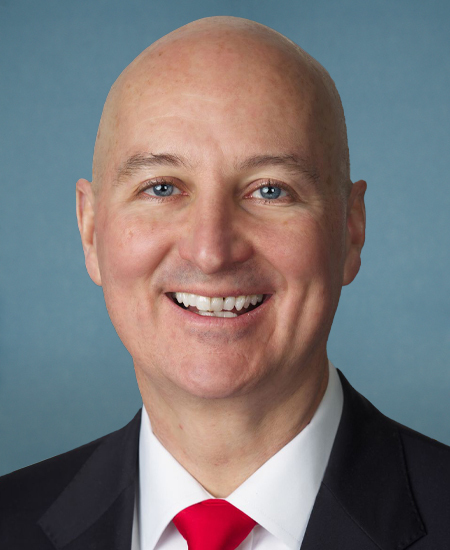
Sen. Pete Ricketts
Sponsored bills
Maddy summaryS 796, the Book Minimum Tax Repeal Act, repeals a corporate minimum tax provision in the Internal Revenue Code that previously applied to certain businesses. The bill removes the requirement for corporations to pay a minimum tax based on their alternative minimum taxable income, effectively eliminating this specific tax obligation for affected corporations. Key provisions amend Section 55 of the tax code to delete corporate minimum tax calculations and related references, treating corporations as having a zero tentative minimum tax. This change directly affects corporations that would have been subject to this minimum tax, with the repeal taking effect for taxable years beginning after December 31, 2024.
Maddy summaryThis bill prohibits U.S. federal agencies from using the DeepSeek application (or any successor by High Flyer) on government devices. Within 60 days of enactment, the Office of Management and Budget must develop standards requiring agencies to remove DeepSeek from all government information technology, following federal security rules. Exceptions are allowed for national security, law enforcement, and security research activities, but agencies must document risk mitigation plans for any permitted use. The law directly affects all federal executive agencies and their information technology systems.
Maddy summaryThe Improper Payments Transparency Act (S 747) requires U.S. executive agencies to include detailed explanations in the President’s annual budget about improper payments in their programs. It mandates agencies to provide narrative descriptions explaining why improper payment rates increased, decreased, or stayed stable over the past three years for each affected program, along with status updates on incomplete corrective actions. This directly affects agencies already required to submit improper payment reports under existing law (Section 3351). The bill aims to increase transparency by making budget submissions more informative about payment error trends and agency efforts to address them.
Farm and Food Cybersecurity Act of 2025 This bill directs the Department of Agriculture (USDA) to (1) assess cybersecurity threats in the agriculture and food critical infrastructure sector, and (2) conduct annual crisis simulation exercises for food-related emergencies or disruptions. The agriculture and food critical infrastructure sector includes (1) any activity relating to the production, processing, distribution, storage, transportation, consumption, or disposal of agricultural or food products; and (2) any entity involved in any of these activities. Specifically, USDA, in coordination with the Department of Homeland Security (DHS) Cybersecurity and Infrastructure Security Agency, must conduct a risk assessment every two years on the cybersecurity threats to, and security vulnerabilities in, this sector. The risk assessment must include any recommendations for federal legislative or administrative actions to address related threats and vulnerabilities. USDA must also conduct an annual simulation exercise relating to a food-related emergency or disruption in coordination with DHS, the Department of Health and Human Services (HHS), and the Office of the Director of National Intelligence (ODNI). Among other things, the exercise must (1) involve a realistic and plausible scenario that simulates a food-related emergency or disruption that affects multiple sectors and jurisdictions, and (2) incorporate input from experts and stakeholders from various disciplines and sectors (e.g., agriculture, public health, emergency management, transportation, and energy). USDA, in consultation with DHS, HHS, and ODNI, must submit a report to Congress on each simulation exercise, including recommendations to enhance the cybersecurity and resilience of the agriculture and food critical infrastructure sector.
Maddy summaryThis bill creates a streamlined process for out-of-state healthcare providers to enroll in Medicaid or CHIP (Children's Health Insurance Program) in a state. It directly affects children under 21 enrolled in these programs and healthcare providers located in other states who already meet low fraud risk standards. The key provision requires states to adopt a simplified enrollment process using only basic provider information (like name and National Provider Identifier), granting eligible providers a 5-year enrollment period without repeated screening. This reduces administrative barriers for providers serving out-of-state children under 21 who qualify for Medicaid or CHIP coverage.
Maddy summarySRES 97 is a ceremonial Senate resolution honoring Howard L. Hawks, a Nebraska community leader and philanthropist who co-founded Tenaska Energy and supported numerous University of Nebraska initiatives. The resolution commemorates his legacy, including funding campus facilities like Howard L. Hawks Hall and student programs, and expresses condolences to his family following his death. As a non-binding resolution, it has no legal effect or direct impact on policy or individuals.
Maddy summaryS 707, the "No Bailout for Sanctuary Cities Act," defines "sanctuary jurisdictions" as states or localities that restrict sharing immigration status information with federal authorities or refuse to comply with federal detainer requests (except for crime victims/witnesses). The bill prohibits such jurisdictions from receiving federal funds intended to provide services like food, shelter, healthcare, legal aid, or transportation to undocumented immigrants, starting 60 days after enactment or the next fiscal year. It requires the Secretary of Homeland Security to annually report to Congress on jurisdictions failing to comply with federal immigration requests. This bill directly affects state and local governments with specific immigration policies, withholding targeted federal funding as a consequence.
Maddy summaryS 718, "Eric’s Law," changes federal jury procedures for death penalty cases where juries cannot unanimously agree on sentencing. It requires a new jury to be impaneled if the original jury fails to reach a unanimous recommendation (death, life without parole, or a lesser sentence). If the new jury also fails to agree unanimously, the court must impose a non-death sentence authorized by law. This directly affects federal defendants facing capital punishment in cases where juries deadlock on sentencing recommendations. The bill ensures that sentencing deadlocks cannot result in a death penalty outcome.
Maddy summaryThis bill directs the U.S. Assistant Secretary of Commerce for Travel and Tourism to coordinate with the Commerce and State Departments to expand travel and tourism cooperation with Taiwan within 90 days. It requires identifying opportunities to enhance U.S.-Taiwan travel, strengthen mutual tourism industries (including hotels, airlines, cultural sites, and safety coordination), and protect U.S. economic interests. The Departments must also submit annual reports for five years detailing cooperation efforts and challenges, plus a separate report within 180 days analyzing the feasibility and impacts of establishing U.S. preclearance facilities in Taiwan. The bill affects U.S. travel/tourism agencies, Taiwan's tourism authorities, and related industry sectors through these coordination and reporting mechanisms.