

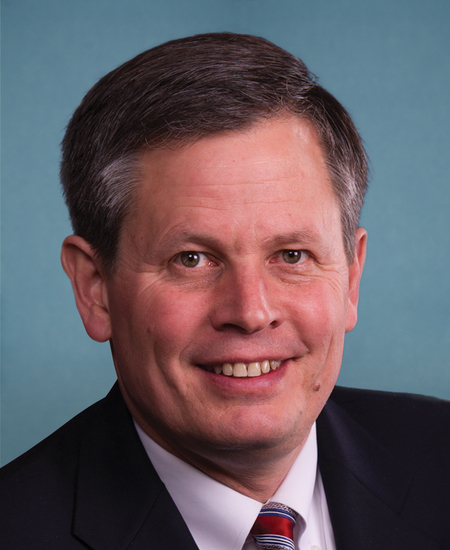
Maddy summaryThis resolution designates the week of April 19-27, 2025, as "National Park Week" in the U.S. Senate. It encourages the public to responsibly visit, experience, and support national parks across the United States. The resolution highlights the National Park System’s role in preserving natural and cultural resources while acknowledging its economic impact and recreational value. It does not create new laws or alter funding, focusing solely on recognition and public engagement.
Sponsored bills
Maddy summaryThe Combating Organized Retail Crime Act amends federal law to strengthen legal tools for addressing organized retail crime, including theft from stores, online, and supply chains. It establishes a new Organized Retail and Supply Chain Crime Coordination Center within the Department of Homeland Security to coordinate Federal, State, local, and tribal law enforcement efforts. The Center will share information, assist with investigations, track crime trends, and provide training to combat these crimes. The bill expands legal definitions to include organized retail crime as a specific category and requires annual reports on the Center's activities. The Center will operate for 7 years before sunset.
Maddy summaryThe LIABLE Act (S 1487) removes jurisdictional immunity for international organizations in U.S. courts when they are involved in terrorism-related acts. It allows lawsuits seeking money damages for personal injury or death caused by torture, extrajudicial killing, aircraft sabotage, hostage taking, or material support for such acts - when committed by an organization's official, employee, or agent. This applies only if the organization conspired with, aided, or materially supported a designated foreign terrorist group (under 8 U.S.C. 1189), and the victim was a U.S. national, military member, or U.S. government contractor. Claims must be filed within 20 years of the incident. The bill directly affects international organizations operating in the U.S. or involved with designated terrorist groups.
Maddy summaryThis bill amends federal meat and poultry inspection laws to allow state-inspected meat and poultry products to be sold across state lines. It removes the previous restriction that limited such products to sales only within the state where they were inspected, enabling interstate commerce for products meeting state inspection standards. The bill requires the Secretary of Agriculture to permit interstate shipments of properly inspected state products and prohibits states from blocking the movement or sale of these items. It directly affects small meat and poultry producers, processors, and retailers who rely on state inspection programs instead of federal oversight. The change aims to expand market access for these businesses without altering inspection standards.
Maddy summaryThis bill requires states that use federal Medicaid funds to pay abortion providers to submit detailed annual reports to the federal government. The reports must include specific payment amounts, purposes, comparisons to prior years, the number of abortions performed, gestational age, and abortion method for each provider. States must also publish these reports online, and the federal government must compile and publish a summary for Congress. The law directly affects states administering Medicaid who fund abortions, mandating transparency about these payments using plain language definitions of "abortion" and "abortion provider."
Maddy summaryThe BRAIN Act creates new research initiatives to improve brain tumor treatment and care. It establishes a searchable database of NIH-funded brain tumor biospecimens, funds a Glioblastoma Therapeutics Network with $50 million annually, and supports cellular immunotherapy research with $10 million annually. The bill also mandates a national awareness campaign about clinical trials and biomarker testing, and funds pilot programs to improve care coordination for brain tumor survivors. These provisions directly affect over 1 million Americans living with brain tumors and aim to improve research coordination, treatment options, and quality of life through concrete funding and policy changes.
Maddy summaryThis resolution (SRES 159) is a ceremonial Senate measure honoring the late Senator John Bennett Johnston, Jr. (1932-2024), who represented Louisiana in the U.S. Senate from 1972 to 1997. It commemorates his career, including his work on energy policy, flood control, and Louisiana conservation efforts, and requests the Senate adjourn in his memory while sending condolences to his family. As a non-binding resolution, it has no policy impact or direct effect on any individuals or laws.
Maddy summarySenate Joint Resolution 45 seeks to block an Environmental Protection Agency (EPA) rule that would have allowed California to enforce its Advanced Clean Cars II vehicle emission standards. The resolution uses the congressional disapproval process under federal law to declare the EPA rule invalid, preventing California from implementing its stricter pollution controls for cars and trucks. If passed, this resolution would stop the rule from taking effect, meaning California could not override federal vehicle emission standards with its own requirements. The bill directly affects California's ability to set state-level environmental regulations for motor vehicles and the EPA's regulatory authority.
Maddy summarySJRES 46 is a joint resolution seeking congressional disapproval of an Environmental Protection Agency (EPA) rule concerning California's vehicle emission standards. The rule, submitted in 2023, relates to California's pollution control requirements for motor vehicles, including advanced clean trucks, zero-emission airport shuttles, and heavy-duty engine emissions. This resolution would block the rule from taking effect using a specific federal disapproval process under Title 5 of the U.S. Code. If passed, the rule would have no legal force, meaning California's current standards would remain without the EPA's formal approval for these specific provisions.
Maddy summaryThe Driving Forward Act permanently exempts certain school bus drivers from needing to pass a pre-trip vehicle inspection test when obtaining a commercial driver's license (CDL). This directly affects school bus drivers in states that choose to participate in the exemption, as they will no longer need to complete this specific test. The bill also requires participating states to submit annual reports for six years after enactment, tracking how many drivers obtain CDLs under this exemption. The exemption extends a temporary rule previously published in the Federal Register (December 2, 2024), making it permanent without altering other CDL requirements.