

Afghan Allies Protection Act of 2021 This bill modifies a program providing special immigrant visas to eligible citizens or nationals of Afghanistan who assisted U.S. efforts there and addresses related issues. The bill extends the program through 2023 and increases the number of visas available. An individual may become eligible for a visa after assisting U.S. efforts in Afghanistan for one year, whereas currently some individuals must have served for two years. Furthermore, for an applicant qualifying for a visa by performing duties with a NATO mission in Afghanistan, the bill eliminates a requirement that the duties performed qualify as sensitive and trusted duties. The bill removes a requirement that the individual has experienced or is facing an ongoing serious threat due to their assistance to the United States or NATO. The Department of State or the Department of Homeland Security may postpone the program's medical examination requirement. An individual who received a postponement must undergo a medical exam within 90 days of admission into the United States. The bill also expands surviving family member benefits for the Afghanistan program (and a similar program for Iraq) to a surviving spouse or child of an individual who submitted an application to the Chief of Mission that would have been approved but for the individual's death. Currently, such survivor benefits only apply if the deceased individual's petition was approved.
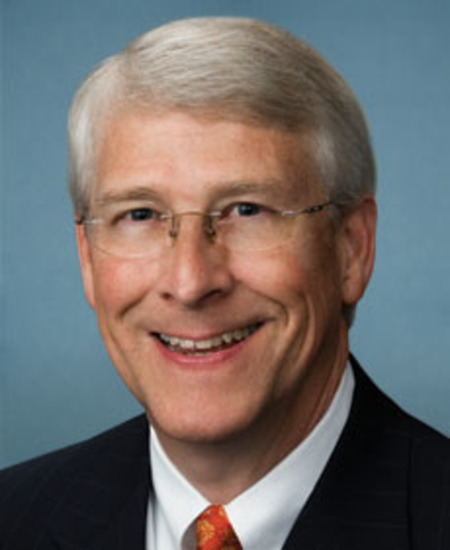
Sen. Roger F. Wicker
Sponsored bills
Increasing Access to Quality Cardiac Rehabilitation Care Act of 2021 This bill accelerates and expands certain changes that are scheduled to take effect relating to the coverage of cardiac, intensive cardiac, and pulmonary rehabilitation programs under Medicare. Currently, such programs require physician supervision. Effective January 1, 2024, physician assistants, nurse practitioners, and clinical nurse specialists may also supervise these programs. The bill expedites the effective date of these changes to January 1, 2022, and also allows these practitioners to administer programs in their offices, prepare and sign treatment plans, and prescribe exercise.
American Space Commerce Act of 2021 This bill allows a special allowance for bonus depreciation for qualified domestic space launch property and extends the termination of such allowance until the end of 2032. The bill defines qualified domestic space launch property as property placed in service before January 1, 2033, that is (1) a space transportation vehicle or payload that is launched from the United States, or (2) other property or equipment placed in service to facilitate a space launch from the United States.
COVID-19 Safer Detention Act of 2021 This bill expands statutory authority for federal prisoners to be released before completing their sentences or to be placed in the community to serve the final portion of their sentences. First, the bill makes changes to the early release pilot program which authorizes the Bureau of Prisons to release early and place on home confinement elderly offenders and terminally ill offenders who meet eligibility criteria. This bill expands eligibility to offenders serving time for an offense under the laws of the District of Columbia, reduces the amount of time an offender must serve by the good time credits earned by the offender, and creates a judicial review process for prisoners. Second, the bill modifies the compassionate release process which authorizes federal courts to reduce a prisoner's sentence and impose a term of probation or supervised released in certain circumstances. This bill expands eligibility to prisoners sentenced before November 1, 1987; and specifies that vulnerability to COVID-19 is a basis for compassionate release. Regarding the judicial review of these release authorities, the bill also (1) authorizes federal courts to appoint counsel to assist defendants, (2) applies statutory rights for crime victims to these proceedings, and (3) shortens the waiting period during the COVID-19 pandemic. Additionally, the bill requires the Government Accountability Office to study postrelease, probation, and pretrial services, including recent changes. Finally, the bill directs the Administrative Office of the U.S. Courts to request resources to address staffing needs in each judicial district, including resources that may be necessary as a result of this bill.
This resolution offers the condolences of the Senate regarding the death of Senator John William Warner and expresses deep appreciation for his outstanding and important service to his country.
Palestinian International Terrorism Support Prevention Act of 2021 This bill imposes sanctions targeting Hamas, the Palestinian Islamic Jihad, and any affiliate or successor groups. The President shall periodically report to Congress a list of each foreign person or instrumentality that knowingly assists, provides significant support or services to, or is involved in a significant transaction with a senior member or supporter of any of the targeted groups. The President shall impose two or more sanctions on the named persons. Specifically, the person may be (1) denied credit and services from the Export-Import Bank, (2) barred from purchasing certain controlled defense articles, (3) denied exports of items on the U.S. Munitions List, (4) prevented from receiving exports of certain goods or technology controlled for national security reasons, (5) prohibited from receiving financing of more than $10 million from any U.S. financial institution, or (6) subject to property-blocking restrictions. The President shall periodically report to Congress a list of foreign governments that have repeatedly provided material support for the targeted groups' terrorist activities. The President shall bar these governments from receiving for one year (1) U.S. assistance, or (2) exports of controlled munitions. The Department of Treasury shall instruct U.S. leadership of international financial institutions to oppose the provision of assistance to an identified government for one year. The bill provides for certain exceptions and waivers, such as for transactions that would serve U.S. national interests. The President shall report to Congress and periodically provide briefings on other specified topics related to the targeted groups, such as where these groups secure financing and surveillance equipment.
Increasing Access to Osteoporosis Testing for Medicare Beneficiaries Act of 2021 This bill specifies that certain Medicare payment rules applicable to imaging services shall apply to dual-energy x-ray absorptiometry services used in bone mass scans beginning in 2022. The bill also establishes national minimum payment amounts for such services.
Medicare Multi-Cancer Early Detection Screening Coverage Act of 2021 This bill provides for Medicare coverage and payment for multi-cancer early detection screening tests that are approved by the Food and Drug Administration and that are used to screen for cancer across many cancer types. The Government Accountability Office must report on the resulting utilization and effectiveness of such tests.
Protecting the Right to Keep and Bear Arms Act of 2021 This bill prohibits (1) the President or the Department of Health and Human Services from declaring emergencies or disasters for the purpose of imposing gun control; and (2) a federal officer or employee, or person operating under color of federal law, from banning the manufacture, sale, or transfer of firearms or ammunition while acting in support of relief from a major disaster or emergency.
Pharmacy DIR Reform To Reduce Senior Drug Costs Act This bill establishes certain requirements for prescription drug plans and the prices of covered drugs under the Medicare prescription drug benefit. Specifically, the bill requires price concessions, payments, and fees that are negotiated with a pharmacy to be included in a drug's negotiated price, excluding incentive payments, and for this price to be provided at the point of sale. Additionally, prescription drug plans must report price concessions or incentive payments that are made after payment for covered drugs at the point of sale, including by contracted intermediaries, to the pharmacy at least annually. The Centers for Medicare & Medicaid Services must establish standardized pharmacy performance measures with respect to incentive payments and price concessions; such measures must account for all pharmacy types, including specialty pharmacies, and focus on patient health outcomes and other targeted areas.