

Maddy summaryThis bill requires car manufacturers to include AM radio receivers as standard equipment in all new vehicles sold in the U.S., without additional cost to buyers. It mandates that AM radio controls be clearly visible on the dashboard for drivers. For vehicles sold before the rule takes effect, manufacturers must label them to disclose the absence of AM radio. The bill aims to maintain access to AM radio broadcasts, which are used for emergency alerts, but does not mandate new emergency systems.
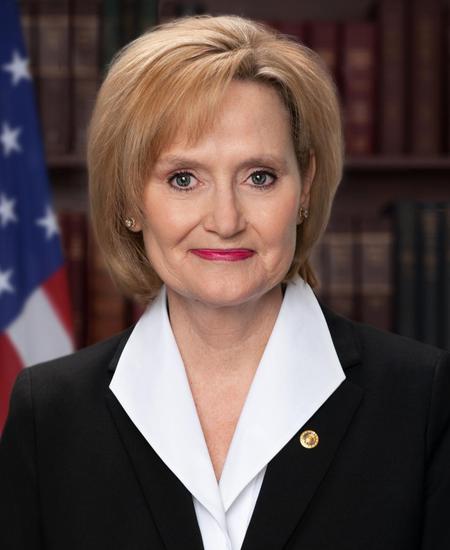
Sen. Cindy Hyde-Smith
Sponsored bills
Maddy summaryThis bill (S 2757) freezes current payment rates for veterans' transportation services provided through "special modes" (like non-emergency medical transport) starting January 1, 2023, preventing the VA from lowering these rates without strict conditions. It directly affects veterans relying on these transportation services and the contractors providing them. The key provision allows rate increases but requires the VA to conduct a detailed economic impact review, consult with veterans' groups and industry experts, and ensure new rates cover actual costs before any decrease can occur. This aims to protect veterans' access to care by preventing rate cuts that could disrupt transportation services.
Maddy summaryThis bill amends the Elementary and Secondary Education Act to allow schools to use existing federal funds for student sports clubs, teams, training, and related outdoor wellness activities. It directly affects K-12 schools by removing a previous restriction that barred such uses of ESEA funds. The key mechanism is an exception added to Section 8526(7), explicitly permitting these activities before the period ending that section. The change applies to funds already allocated under the ESEA, not creating new spending.
Maddy summarySRES 331 designates August 2023 as "National Catfish Month" to recognize the economic and cultural significance of the U.S. catfish industry. The resolution highlights that the industry supports over 9,000 jobs and contributes nearly $2 billion annually to the U.S. economy, while emphasizing catfish as a sustainable, year-round seafood source. It also acknowledges the industry’s role in regional cuisines and its status as the largest farm-raised seafood product in the United States. This symbolic resolution does not create new laws or funding but aims to raise awareness of the industry’s contributions.
Maddy summaryThis joint resolution (SJRES 41) seeks congressional disapproval of a specific immigration rule issued by U.S. Citizenship and Immigration Services (USCIS) and the Executive Office for Immigration Review (EOIR). The rule, published in the Federal Register on May 16, 2023, addressed "Circumvention of Lawful Pathways" in immigration processing. The resolution would formally block the rule from taking effect by directing Congress to disapprove it under procedures in Title 5 of the U.S. Code. This action directly affects how USCIS and immigration courts implement certain immigration pathways.
Maddy summaryThis bill creates a data platform to track forest carbon emissions, sequestration, and the carbon footprint of wood products, helping measure environmental impacts. It modifies existing grant programs to prioritize rural wood mills in areas with high unemployment, supports wood-building education at colleges, and funds pilot projects using mass timber in rural infrastructure construction. The bill directly affects rural communities (especially those with wood manufacturing history), wood product manufacturers, and educational institutions developing wood-building curricula. Key mechanisms include mandatory carbon data reporting, targeted grants for economic development, and requirements for wood products to be "produced and assembled in the U.S." in pilot projects.
Maddy summaryThis bill (S 2647, SHINE for Autumn Act of 2023) provides federal funding to improve stillbirth data collection, research, and education. It authorizes $5 million annually for states to collect stillbirth data using existing health records while protecting privacy, $1 million for developing standardized data collection guidelines and public educational materials, and $3 million for specialized training programs in perinatal pathology and stillbirth research. The bill directly affects state health departments, medical professionals (like obstetricians and pathologists), and families impacted by stillbirth through improved data systems and educational resources. Key provisions require standardized data reporting, consultation with affected families and healthcare providers, and mandatory reports on program progress within five years of enactment.
Maddy summaryThis bill amends the Clean Air Act to adjust fuel standards and support small refineries. It changes how the EPA grants waivers for fuel additives (allowing fuels similar to certified vehicles or meeting specific waiver conditions) and modifies Reid Vapor Pressure limits from "10 percent" to "10 to 15 percent" for certain fuels. Small refineries that retired credits for 2016-2018 compliance years and had pending or denied petitions by December 2022 can now have those credits returned or applied to future compliance. The bill directly affects fuel retailers, ethanol producers, and small refineries by altering compliance rules and credit eligibility under the renewable fuel program.
Maddy summarySRES 166 is a symbolic Senate resolution honoring the U.S. Coast Guard for its maritime border security work. It recognizes the Coast Guard's 2022 achievements, including interdicting over 330,000 pounds of narcotics, intercepting 12,500 illegal immigrants, and patrolling over 95,000 miles of U.S. coastline. The resolution expresses the Senate's gratitude to Coast Guard personnel for their "exemplary service" in safeguarding borders. As a non-binding resolution, it does not create new laws, funding, or policy changes.
This resolution (1) designates July 2023 as National Blueberry Month; and (2) recognizes the contributions of blueberry growers in the United States and their families, and that purchasing blueberries grown in the United States supports farmers, jobs, communities, and the economy of the United States.