

Maddy summaryThis bill establishes a mandatory mental health and wellness program for all Department of Homeland Security (DHS) law enforcement officers and agents across components like U.S. Customs and Border Protection, ICE, TSA, and the Coast Guard. Key provisions require DHS to create a Peer-to-Peer Support Program Advisory Council, implement annual suicide prevention training for officers, improve access to confidential mental health resources, and reduce stigma through mandatory awareness campaigns. The law mandates confidential data collection on mental health and suicides to evaluate program effectiveness, while prohibiting the use of personally identifiable information for disciplinary purposes. DHS components must also develop family support services and ensure safeguards against adverse actions for personnel seeking mental health assistance.
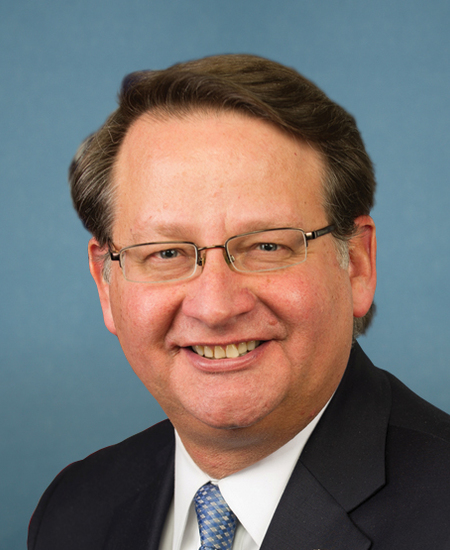
Sponsored bills
Maddy summaryThe Drug Shortage Prevention Act of 2025 requires manufacturers of critical drugs - such as life-saving medications for emergencies, surgery, or serious conditions - to notify the federal government about potential supply disruptions. Manufacturers must report planned production halts at least six months in advance or sudden issues like demand spikes within 10 business days, including reasons and expected duration. The bill also mandates twice-yearly reports on drug supply chains, detailing active ingredient sources and suppliers. This aims to improve transparency and prevent shortages affecting patient access to essential medications.
Maddy summaryThis bill modernizes NOAA Weather Radio, a nationwide network that broadcasts weather alerts 24/7. It requires expanding coverage to rural and underserved areas lacking reliable internet or cell service, including high-risk flood zones and federal lands, while improving system resilience during emergencies. Key provisions include upgrading to internet-based broadcasting, enabling more precise location-based warnings, adding satellite backup capabilities, and enhancing accessibility for communities without mobile broadband. The changes directly affect public safety by improving access to critical weather alerts for millions in remote or vulnerable communities.
Maddy summaryThis bill requires the federal government to develop a strategy for migrating to post-quantum cryptography (PQC), which is encryption designed to withstand attacks from future quantum computers. Within 180 days, a federal subcommittee must create a national strategy defining when quantum computers pose a threat, assessing risks for each agency, and setting performance measures for four migration stages (preparation, inventory, implementation, and monitoring). It also mandates a pilot program where sector risk management agencies must upgrade at least one high-impact federal system to PQC by January 2027. The bill directs cost surveys for agencies and annual progress reports from the Comptroller General to track implementation across federal systems.
Maddy summaryThis bill permanently extends the enhanced premium tax credit for Affordable Care Act marketplace insurance plans, directly affecting millions of lower-income households (earning 150%-400% of the federal poverty level) who purchase coverage through state or federal marketplaces. It establishes a sliding-scale percentage system where the tax credit reduces monthly premiums based on income, starting at 0% for households earning up to 150% of poverty and increasing to 8.5% for those earning 300%-400% of poverty. The bill replaces temporary provisions with permanent rules, ensuring consistent cost-sharing support for eligible buyers. The changes apply to tax years beginning after December 31, 2025.
Maddy summaryThis bill extends temporary protections for qualified anti-terrorism technologies under the 2002 Act through fiscal year 2029. It directly affects technology providers seeking to maintain existing protections for their anti-terrorism systems. The key mechanism requires the Secretary of Homeland Security to temporarily extend protections if renewal applications are submitted by a 165-day deadline and are complete upon submission. This extension does not prevent the Secretary from ultimately approving or denying the renewal application. The bill modifies the existing risk management system without altering the final decision-making authority.
Maddy summaryThis bill strengthens protections for FBI employees who report misconduct or wrongdoing. It prohibits the FBI from punishing staff for whistleblowing, testifying about violations, or cooperating with internal investigations, including during probationary periods. New FBI hires must receive written information about whistleblower rights within 180 days of appointment, and the Attorney General must ensure clear procedures for reporting retaliation. The bill also clarifies the appeals process for employees claiming retaliation, requiring decisions to follow specific legal standards. These changes directly affect all FBI employees who might report safety, security, or ethical concerns.
Maddy summaryThe John R. Lewis Voting Rights Advancement Act of 2025 strengthens voting rights protections by requiring preclearance for certain voting changes in jurisdictions with a history of discrimination. It establishes new preclearance requirements for changes to election methods, district boundaries, voter ID rules, and polling locations. The bill updates standards for determining when voting practices deny or abridge rights, particularly for racial, ethnic, and language minority groups. It also requires transparency about voting changes through public notices and strengthens enforcement mechanisms for voting rights violations. The bill directly affects states and localities with documented histories of voting discrimination, aiming to protect minority voters' rights.
Maddy summaryThis bill requires the U.S. Department of Commerce to train its employees who advise businesses on interstate commerce or foreign investment about human rights abuses by the Chinese government, specifically forced labor against Uyghurs and other minorities in Xinjiang. It also mandates that the Department provide advisory guidance to U.S. businesses on identifying risks related to entities linked to jurisdictions with such abuses, including risk factors and ways to avoid problematic transactions. The guidance is explicitly stated to be for informational purposes only, not enforceable policy. The bill directly affects Commerce Department staff and businesses engaged in U.S. or international trade with Chinese entities.
Maddy summaryThis bill expands Medicare Part B coverage to include specific pharmacist services, directly affecting Medicare beneficiaries and pharmacists who provide these services. It defines "pharmacist services" as evaluations and treatments for illnesses like COVID-19, flu, RSV, or strep throat, or services addressing public health emergencies, requiring collaboration with physicians as state law permits. Medicare would pay 80% of the lower of the actual charge or 85% of the physician payment rate (100% for public health emergencies), and prohibits balance billing for these services. The changes take effect January 1, 2026.