

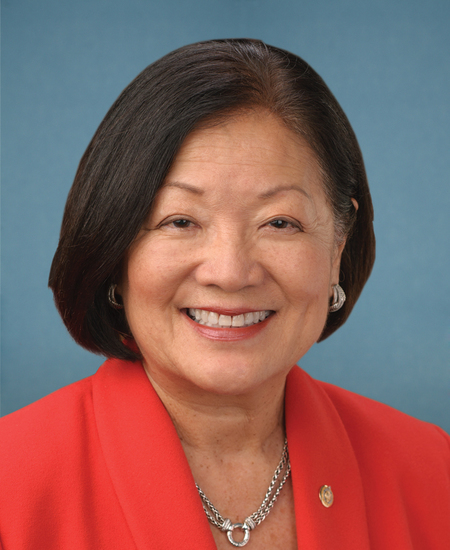
Maddy summaryThis bill increases the tax exclusion for capital gains when selling a primary residence. It doubles the exclusion amount from $250,000 (for single filers) to $500,000 and from $500,000 (for married couples) to $1,000,000. The bill also adds an inflation adjustment for amounts after 2025, tying future increases to the cost-of-living adjustment. It directly affects homeowners who sell their primary residence and would otherwise owe tax on profits exceeding the previous limits. The changes apply to sales after the bill's enactment date.
Sponsored bills
Maddy summaryThis bill establishes rules for temporary immigration judges who handle cases while permanent judges are appointed. It allows the Attorney General to appoint former immigration judges, Board members, or attorneys with 10+ years of immigration law experience for up to 6-month terms (renewable for a maximum of 4 terms, or 24 months total). Temporary judges must complete 8 weeks of initial training plus weekly 1-day sessions unless recently retired (within 2 years), and their work is overseen by the Chief Immigration Judge. The law emphasizes that temporary judges should not replace permanent judges and requires them to have deep expertise in U.S. immigration law.
Maddy summaryThe Workforce of the Future Act of 2025 requires federal agencies to study AI's impact on jobs through reports due within 6 months, 1 year, and 3 years of enactment, focusing on data needs, affected industries, and vulnerable demographics. It authorizes $160 million in Department of Education grants to expand emerging and advanced technology education in schools, with specific emphasis on making these programs accessible to underrepresented groups including minorities, girls, and students from low-income families. The bill also allocates $90 million in Department of Labor grants to provide training for workers most impacted by AI in industries where AI is projected to significantly affect job opportunities. Grantees must report on program participation and outcomes, disaggregated by race, ethnicity, gender, and socioeconomic status, and demonstrate how programs will be sustained after funding ends. The legislation emphasizes collaboration between schools, industry, and labor organizations to develop curricula and training aligned with future workforce needs.
Maddy summaryThe Artificial Intelligence Civil Rights Act of 2025 regulates AI systems that make decisions affecting people's lives, such as employment, housing, healthcare, credit, and education. It requires developers and deployers to conduct pre-deployment evaluations and annual impact assessments by independent auditors to prevent discrimination and harm. The law mandates clear consumer disclosures about AI use, provides the right to human alternatives for AI-driven decisions, and creates enforcement mechanisms through the Federal Trade Commission and state attorneys general. It also includes whistleblower protections for employees reporting violations and requires transparency about how AI systems operate.
Maddy summaryThis bill reorganizes procedural rules for Inspector General (IG) investigations within the Department of Justice (DOJ). It removes specific language that previously restricted IG access to certain allegations involving DOJ personnel, streamlining the investigation process. The key change eliminates an exception clause in existing law, allowing IGs to investigate all DOJ personnel allegations without that prior limitation. This affects how DOJ investigations are conducted but does not create new policies or change substantive rights. (Procedural bill; summary focuses on specific legal reorganization.)
Maddy summaryThe Roadless Area Conservation Act of 2025 would maintain existing protections for designated roadless areas within the National Forest System by prohibiting new road construction, reconstruction, or logging in those areas. It directly affects National Forest lands managed by the U.S. Department of Agriculture’s Forest Service, where the Roadless Rule already restricts such activities. The bill’s key mechanism requires the Secretary of Agriculture to enforce these current restrictions without adding new limitations. This policy change preserves existing protections for watersheds, wildlife habitats, recreation opportunities, and culturally significant sites within these roadless areas.
Maddy summaryThe ADOPT Act of 2025 creates federal criminal penalties for unlicensed individuals or entities providing adoption intermediary services (like connecting birth parents with adoptive parents for profit) or placing paid "adoption advertisements" that solicit parties for placement. It prohibits payments exceeding $2,500 to birth parents before consulting a licensed agency or attorney, aiming to prevent exploitation and the commodification of children in private domestic adoptions. The law directly affects unlicensed intermediaries and commercial facilitators, while exempting licensed adoption agencies, attorneys, 501(c)(3) organizations under contract with them, and intercountry adoption programs. Violations carry fines up to $50,000 or 5 years in prison for individuals, and $100,000 for organizations per offense.
Maddy summaryThis bill increases disability compensation for veterans with service-connected disabilities and dependency and indemnity compensation for surviving spouses and children of deceased veterans, effective December 1, 2025. The increases will match the percentage rise in Social Security benefits for that year, as determined under the Social Security Act. It directly affects veterans receiving disability payments and surviving family members eligible for survivor benefits under current law. The adjustment ensures these benefits keep pace with inflation, as required by the Social Security cost-of-living adjustment formula.
Maddy summaryThis bill requires Transportation Security Administration (TSA) and private security personnel to handle breast milk, baby formula, and related cooling items (like ice packs) with proper hygiene during airport security screenings. It mandates that TSA issue updated hygiene guidelines within 90 days (and every five years) after enactment, developed with maternal health organizations, to minimize contamination risks. The bill also requires a Department of Homeland Security Inspector General audit within one year to assess compliance and evaluate how screening technologies impact the handling of these items. The policy directly affects traveling parents and caregivers transporting infant essentials.
Maddy summaryThis resolution (SRES 511) is a symbolic Senate measure supporting Transgender Day of Remembrance. It recognizes the epidemic of violence against transgender people in the U.S., specifically memorializing 27 transgender or gender nonconforming individuals killed between October 2024 and September 2025. The resolution emphasizes the disproportionate impact of violence on transgender women of color and calls for addressing this crisis, though it does not create new laws or policies. It directly affects the transgender community by affirming their lives and safety as a national priority.