

Maddy summarySRES 154 is a symbolic Senate resolution supporting International Transgender Day of Visibility. It encourages the American public to observe this day through ceremonies and activities, celebrates transgender community achievements, and recognizes the community's fight for equality. The resolution has no legal effect or policy changes - it serves solely as a statement of support. It directly acknowledges transgender individuals' contributions and the ongoing challenges they face, including discrimination in employment, education, and healthcare. The resolution was introduced by multiple senators and refers to transgender representation in government and media as part of its context.
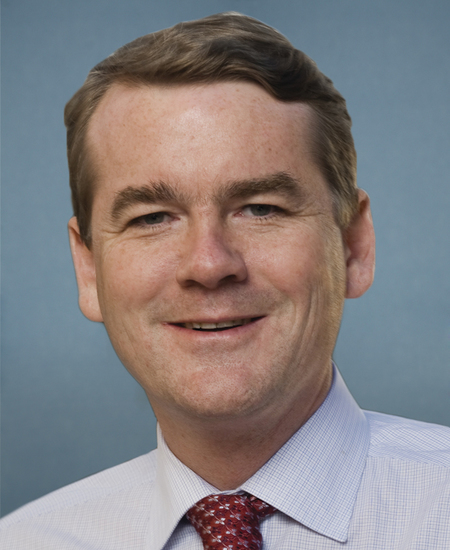
Sen. Michael F. Bennet
Sponsored bills
Maddy summarySRES 120 is a ceremonial Senate resolution designating March 23, 2023, as "National Women in Agriculture Day." It recognizes the significant contributions of women in U.S. agriculture, citing that they represent over one-third of agricultural producers and generated $148 billion in sales in 2017. The resolution encourages citizens to acknowledge women in the field and supports their roles as producers, educators, mentors, and leaders. As a symbolic gesture, it does not create new laws or funding but aims to highlight their impact on the agricultural workforce and food systems.
Maddy summaryS 1098, the Global Health, Empowerment and Rights Act, changes U.S. aid rules for foreign nongovernmental organizations (NGOs) receiving funding under the Foreign Assistance Act. It removes eligibility barriers for these NGOs if they provide health services (like counseling) using their own funds, as long as those services comply with local laws and would be legal in the U.S. It also eliminates extra restrictions on how foreign NGOs can use non-U.S. government funds for advocacy or lobbying, making these rules the same as those applied to U.S. NGOs receiving similar aid. This directly affects foreign health-focused NGOs working in international development and rights advocacy.
Maddy summaryThis bill increases the age limit for children to receive CHAMPVA medical benefits from 21 to 26 years old, regardless of marital status. It directly affects children of veterans who rely on the CHAMPVA program for healthcare coverage. The key provision amends Section 1781 of Title 38, U.S. Code, to extend eligibility until the child's 26th birthday. The change applies to medical care provided on or after the bill's enactment date.
Maddy summaryThis bill amends the Food Security Act of 1985 to add $150 million annually for fiscal years 2024 through 2028 to the Voluntary Public Access and Habitat Incentive Program. It directly affects landowners who voluntarily participate in the program by protecting wildlife habitat on their property. The key provision increases dedicated funding for this existing conservation initiative, which provides incentives for landowners to maintain or improve public access to private lands for recreational use. This change ensures sustained financial support for the program over a five-year period without altering its core structure or eligibility.
Maddy summaryS.1135, the "Ally’s Act," requires most private health insurance plans to cover hearing implants and related services for people with hearing loss. It mandates coverage for cochlear implants, bone conduction devices, maintenance, repairs, surgical procedures, hearing assessments, and rehabilitation - without separate cost-sharing or medical necessity reviews. The law applies to group health plans, individual insurance, and employer-sponsored plans, affecting insurers and individuals diagnosed with hearing loss by a physician or audiologist. Coverage must meet the same financial and treatment standards as other medical services, with full implementation required by 2025.
Maddy summarySRES 136 is a Senate resolution recognizing the contributions of AmeriCorps members, alumni, and AmeriCorps Seniors volunteers to communities across the United States. It highlights their service in areas like education support, disaster response, environmental protection, and assisting vulnerable populations, while encouraging the public to honor their work and consider joining national service programs. The resolution does not create new policies or allocate funds but serves as a symbolic acknowledgment of their impact.
Maddy summaryThe SOIL Act of 2023 requires the Committee on Foreign Investment in the United States (CFIUS) to review foreign purchases of U.S. agricultural land and real estate within 50 miles of military bases if the buyer is from a country designated as a national security risk (like China or Russia) or a nonmarket economy country. It prohibits federal subsidies for agricultural land owned by such foreign entities and mandates an annual public report detailing foreign ownership by state, county, and country, including analysis of sectors and water rights. The bill also updates disclosure rules to include long-term land leases (over 5 years) and removes minimum acreage thresholds for reporting foreign land holdings. This directly affects foreign investors from targeted countries and U.S. agricultural landowners who might receive federal support.
Maddy summaryThe EACH Act of 2023 requires federal health programs - including Medicaid, Medicare, the Indian Health Service, and others - to cover abortion services regardless of income or insurance type. It directly affects millions of low-income individuals, women of color (who are disproportionately enrolled in Medicaid), LGBTQ+ people, and people in states that currently restrict abortion coverage. Key provisions mandate that all federally funded health programs provide abortion coverage (Section 4), repeal a prior law restricting abortion coverage in private insurance (Section 5), and prohibit federal interference with private insurance coverage of abortion services. The bill aims to remove financial barriers to abortion care by ensuring coverage through federal programs and private plans.
Maddy summaryThe Access to AEDs Act (S 1024) provides $25 million in federal funding over five years (2024-2028) to help public elementary and secondary schools improve access to automated external defibrillators (AEDs) and CPR training. It authorizes grants for schools to purchase AEDs, train students and staff, develop emergency response plans, and partner with health organizations - such as local hospitals or fire departments - to implement these programs. The bill also requires the creation of a national database to track school AED access and share best practices, aiming to support immediate response during cardiac emergencies. This directly affects schools, students, and school staff by enhancing preparedness for sudden cardiac arrest, which the bill cites as a leading cause of death among young athletes and children.