

Maddy summarySRES 761 is a non-binding Senate resolution designating June 2024 as "National Post-Traumatic Stress Awareness Month" and June 27, 2024, as "National Post-Traumatic Stress Awareness Day." It aims to raise public awareness about PTSD among veterans and military personnel, reduce stigma, and support existing efforts by the Department of Veterans Affairs and Department of Defense to address mental health needs. The resolution does not create new laws or funding but symbolically encourages cultural change and timely treatment for PTSD.
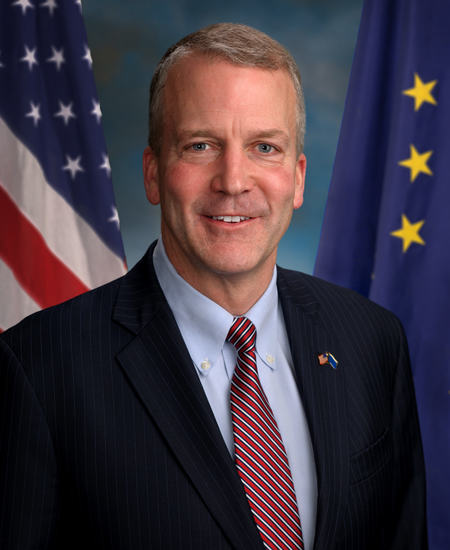
Sen. Dan Sullivan
Sponsored bills
Maddy summaryThis bill reauthorizes federal funding for fire departments and firefighter assistance programs through 2028, providing $95 million annually for the U.S. Fire Administration (with $3.42 million designated for specific activities) and $750 million for firefighter assistance grants. It also establishes new provisions to accelerate nuclear energy development, including streamlined licensing for advanced nuclear reactors, support for fusion energy regulation, and funding for nuclear workforce training through the Nuclear Energy Traineeship program. The bill requires the Nuclear Regulatory Commission to improve licensing efficiency through risk-informed processes, establish new procedures for reviewing nuclear projects, and conduct a study on global nuclear energy industry supply chains. These provisions primarily affect fire departments receiving federal grants, nuclear energy companies seeking licensing, and the Nuclear Regulatory Commission as the overseeing agency. The bill aims to strengthen fire safety infrastructure and advance the deployment of clean nuclear energy technologies.
Maddy summaryThis bill (SJRES 99) is a congressional resolution seeking to block a specific environmental regulation. It targets the Council on Environmental Quality's "National Environmental Policy Act Implementing Regulations Revisions Phase 2" rule, which was published in the Federal Register on May 1, 2024. If passed, the resolution would formally disapprove this rule, preventing it from taking effect and halting its implementation by federal agencies. The rule would have modified how agencies conduct environmental reviews under the National Environmental Policy Act (NEPA), but the resolution directly stops that change without altering NEPA itself.
Maddy summaryThis bill extends the deadline for entities that received funds under the American Rescue Plan Act (ARP) to use those funds for supporting homeless children and youth. Specifically, it allows these organizations to continue using the funds through September 30, 2025, instead of an earlier expiration date. The provision applies directly to recipients of ARP funds designated under section 2001(b)(1) of Public Law 117-2, such as shelters, community programs, and social service agencies. It does not create new funding but gives existing recipients more time to fulfill their authorized purposes. The change is purely procedural, affecting how long previously allocated funds can be spent.
Maddy summaryThis bill reauthorizes and extends existing Alzheimer's disease and dementia programs through fiscal year 2029. It specifically provides $33 million annually for states and public health departments to support Alzheimer's initiatives, including community-based care and research translation. Key provisions require translating clinical trial findings into community practices and strengthen coordination with the CDC. The bill directly affects state health agencies and public health departments receiving federal funding for dementia care programs. It does not create new programs but extends current funding mechanisms and adds a new requirement to apply research findings to community-level interventions.
Maddy summaryThis bill authorizes a land exchange between Chugach Alaska and the Federal Government to resolve a long-standing ownership conflict stemming from the Exxon Valdez oil spill cleanup efforts. Chugach Alaska would convey approximately 231,000 acres of subsurface land to the Federal Government, and in return, the Federal Government would convey approximately 65,403 acres of surface land to Chugach Alaska. This exchange would consolidate ownership of both surface and subsurface estates on the affected lands, resolving the split ownership that has complicated management and development since the 1989 spill. The bill follows recommendations from a 2022 Bureau of Land Management study that identified this exchange as a solution to the conflict between the Alaska Native Claims Settlement Act and the Exxon Valdez Oil Spill Habitat Protection Program.
Maddy summaryThis joint resolution (SJRES 92) seeks to block an Environmental Protection Agency (EPA) rule that established new greenhouse gas emission standards for fossil fuel power plants and repealed an earlier rule. It targets the EPA's specific rule (published May 9, 2024), which set performance standards for new/modified plants, emission guidelines for existing plants, and removed the Affordable Clean Energy Rule. The resolution uses a procedural mechanism under the Congressional Review Act to disapprove the rule, meaning it would prevent the EPA rule from taking effect. If passed, the rule would have no legal force, directly affecting how power plants regulate emissions under federal law.
Maddy summaryThis joint resolution (SJRES 93) seeks to block a specific rule proposed by the Department of Commerce. It targets the rule titled "Revision of Firearms License Requirements" (published April 30, 2024, in the Federal Register), which would have changed requirements for firearms licenses. If passed, the resolution would prevent this rule from taking effect by invoking a congressional disapproval process under Title 5, U.S. Code. The resolution directly affects the implementation of the Commerce Department's proposed firearms licensing changes, not the licensing requirements themselves.
Maddy summaryThis bill (SJRES 94) seeks to block a proposed rule from the Department of Health and Human Services that would have changed regulations for the Unaccompanied Children Program. The rule, published in the Federal Register on April 30, 2024, aimed to update how unaccompanied alien children are placed, cared for, and provided services. If approved, this resolution would prevent the rule from taking effect, keeping existing regulations in place. It directly affects the federal program that handles minors entering the U.S. without parents or guardians. The bill does not change the program's operations but stops the proposed regulatory changes.
Maddy summaryS 4484, the "Illegitimate Court Counteraction Act," imposes U.S. sanctions on individuals or entities supporting the International Criminal Court (ICC) in investigating or prosecuting "protected persons." It directly affects ICC officials, foreign nationals aiding ICC actions against U.S. citizens or officials from non-ICC ally nations (like Israel), and their immediate family members. Key provisions require the President to block property and deny visas to targeted individuals, while permanently rescinding all U.S. funding for the ICC. The bill defines "protected persons" as U.S. military personnel, government officials, and allied officials from nations not party to the ICC’s Rome Statute.