

Maddy summaryHJRES 144 is a congressional disapproval resolution targeting a specific rule issued by the Bureau of Alcohol, Tobacco, Firearms, and Explosives (ATF) on April 19, 2024. The resolution seeks to block the ATF's rule that redefined the term "engaged in the business" for firearm dealers, which would have affected how federal licensing requirements apply to certain sellers. If enacted, this resolution would nullify the rule, preventing it from taking effect under procedures in Title 5 of the U.S. Code. The bill directly impacts firearm dealers operating under the current regulatory framework and the ATF's enforcement authority.
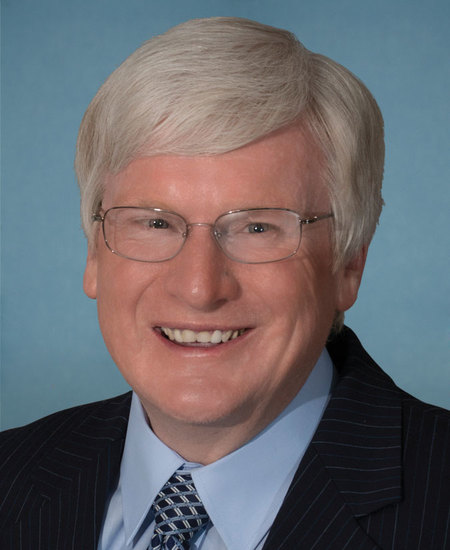
Rep. Glenn Grothman
Sponsored bills
Maddy summaryThe Federal Lands Amplified Security for the Homeland (FLASH) Act authorizes the construction of navigable roads on Federal lands along the southern border to improve U.S. Customs and Border Protection access, while establishing policies to reduce trash accumulation and address environmental damage from unauthorized border crossings. The bill requires agencies to develop protocols for mitigating wildfire risks through vegetation management, prohibits Federal funds from being used to provide housing for unauthorized immigrants on Federal lands, and includes provisions to address illegal cannabis cultivation and pesticide use. It mandates annual reports on waste collection and environmental impacts, and authorizes $16 million annually for initiatives to address contamination from trespass cannabis cultivation on covered Federal lands. The legislation directly affects land management operations on approximately 50 million acres of Federal lands administered by the National Park Service, Bureau of Land Management, Fish and Wildlife Service, and Forest Service along the southern border.
Maddy summaryThis bill (HJRES 163) is a congressional disapproval resolution targeting an Environmental Protection Agency (EPA) rule finalized on May 9, 2024. The EPA rule established new emissions standards for greenhouse gases from fossil fuel power plants (both new and existing) and repealed a previous rule called the Affordable Clean Energy Rule. The resolution would block this EPA rule from taking effect by invoking the Congressional Review Act (Chapter 8 of Title 5, U.S. Code). If passed, it would prevent the EPA rule from being enforced, directly affecting fossil fuel power plant operators and the EPA’s regulatory authority over emissions.
Maddy summaryH.J. Res. 139 is a congressional resolution seeking to disapprove a rule issued by the Centers for Medicare & Medicaid Services (CMS) on May 10, 2024. The rule would have established minimum staffing requirements for long-term care facilities and required transparency in Medicaid payment reporting. If passed, this resolution would block the rule from taking effect, preventing these new staffing and reporting requirements from being implemented. The bill directly affects long-term care facilities and Medicaid programs by halting the enforcement of these specific standards.
Maddy summaryHJRES 133 is a congressional resolution seeking to block an Environmental Protection Agency (EPA) rule titled "Greenhouse Gas Emissions Standards for Heavy-Duty Vehicles-Phase 3." This rule, published in the Federal Register on April 22, 2024, established new emissions requirements for large trucks and commercial vehicles. The resolution, if passed, would prevent the EPA rule from taking effect by formally disapproving it under standard congressional review procedures. The measure directly affects the EPA’s regulatory authority and vehicle manufacturers who would have been required to comply with the proposed standards.
Maddy summaryH.J. Res. 117 is a joint resolution that would disapprove an Environmental Protection Agency (EPA) rule concerning the reconsideration of National Ambient Air Quality Standards for particulate matter. The EPA rule, published on March 6, 2024, was part of the agency’s process to review these standards, which set limits for harmful air pollutants. This resolution invokes a congressional disapproval procedure under federal law to block the rule from taking effect. If enacted, the rule would have no force or effect, preserving the existing air quality standards for particulate matter.
Maddy summaryThis bill requires federal agencies to create a public, searchable database containing ethics records for certain employees, including financial disclosures, gift approvals, and ethics waivers. Agencies must submit these records electronically within 60 days of enactment, include records from the previous 9 years, and ensure they remain publicly available for 10 years. The database must be free to access, fully accessible (meeting Web Content Accessibility Guidelines), and exclude only specific sensitive information like trade secrets or safety risks. It directly affects executive branch agencies and employees in political or sensitive roles, such as presidential appointees and noncareer staff covered under federal ethics rules.
Maddy summaryHR 1425, the "No WHO Pandemic Preparedness Treaty Without Senate Approval Act," requires the U.S. Senate to approve any World Health Organization (WHO) pandemic preparedness treaty through a two-thirds vote. The bill deems any convention, agreement, or international instrument on pandemic prevention drafted by the WHO’s International Negotiating Body (INB) as a treaty subject to Senate ratification, rather than allowing it to take effect as an executive agreement. This directly affects U.S. foreign policy implementation regarding WHO agreements, ensuring Congress has a formal role in approving such binding international commitments. The bill stems from congressional concerns about WHO’s pandemic response and public skepticism toward the organization, as outlined in its findings.
Maddy summaryHR 8282, the "Illegitimate Court Counteraction Act," imposes U.S. sanctions on foreign individuals or entities supporting the International Criminal Court (ICC) in investigating or prosecuting "protected persons." Protected persons include U.S. military personnel, officials, and allied personnel (from non-ICC member countries) who are not under ICC jurisdiction. The bill requires the President to block assets and deny visas to targeted foreign persons and their immediate family members within 60 days of the ICC attempting such actions. It mandates congressional notification of sanctions and allows termination if the ICC ceases all such efforts against protected persons. The law focuses on restricting U.S. economic and travel access to ICC supporters targeting specific U.S. and allied personnel.
Maddy summaryHR 8632, the BIOSAFE Act of 2024, directs the Secretary of the Interior to withdraw a specific proposed rule titled "National Wildlife Refuge System; Biological Integrity, Diversity, and Environmental Health" (published February 2, 2024, in 89 Fed. Reg. 7345). This rule would have established new standards for managing biodiversity and environmental health within National Wildlife Refuges. The bill directly affects the management of these refuges by halting the implementation of the proposed rule. It is a procedural measure that reverses an existing regulatory proposal without creating new policy.