

Educational Choice for Children Act This bill allows individuals and corporations a new tax credit after 2022 for charitable contributions to tax-exempt organizations that provide scholarships to elementary and secondary school students. Such students must be members of a household with incomes not greater 300% of the area median gross income and be eligible to enroll in a public elementary or secondary school. The bill excludes from the gross income of taxpayer dependents any scholarship amount for the elementary or secondary education expenses of eligible students. It also prohibits governmental control over scholarship granting organizations.
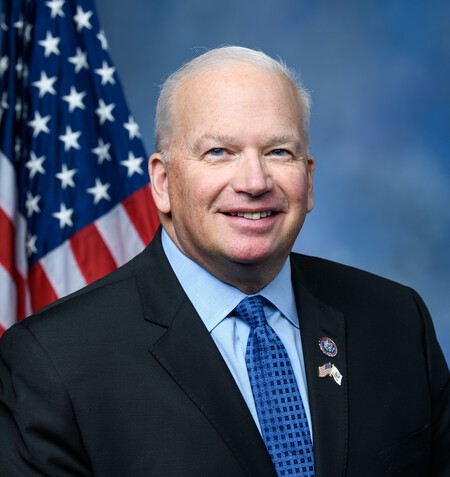
Rep. Scott Fitzgerald
Sponsored bills
This resolution requests that the President provide the House of Representatives with documents and other communications concerning a specified memorandum issued by the Department of Justice entitled Partnership Among Federal, State, Local, Tribal, and Territorial Law Enforcement to Address Threats Against School Administrators, Board Members, Teachers, and Staff , including specific threats and other related materials.
Taxpayers Support Life Act This bill prohibits the Department of Health and Human Services (HHS) from finalizing, implementing, administering, or enforcing a proposed rule (published on August 4, 2022) that implements the statutory ban on discrimination in federally funded health programs and activities. Further, HHS may not use federal funds to contravene the administration or enforcement of the existing nondiscrimination rule, which became effective on June 19, 2020.
This resolution condemns the attack at the Sikh Temple of Wisconsin on August 5, 2012, recognizes the resilience of the Sikh community, and calls for unwavering resolve to prevent and seek justice for acts of hate and terrorism.
This bill ensures that members of the Armed Forces who were granted a general discharge under honorable conditions (on the sole basis that the members failed to obey a lawful order to receive a vaccine for COVID-19) are eligible for Department of Veterans Affairs educational assistance under the Montgomery GI Bill-Active Duty and Post-9/11 GI Bill programs.
NDO Fairness Act This bill makes various changes to the procedures and requirements with respect to delayed notification orders. Current law authorizes the government to compel providers of electronic communication services or remote computing services to disclose certain records and information pertaining to subscribers and customers. Further, a provider may notify subscribers or customers of the government's request for records and information unless the government obtains a delayed notification order. With respect to delayed notification orders, the bill raises the standard for courts to grant a delayed notification order, requires courts to issue delayed notification orders only after issuing a written determination based on specific facts, requires orders to be narrowly tailored, and shortens the duration of delayed notification orders. Finally, the bill requires the Department of Justice to report annually on data related to delayed notification orders, including the number of customers targeted; the number of applications for orders; the number of orders granted, extended, or denied; and the number of orders targeting members of the media or conduct related to certain protected activities.
Hmong Congressional Gold Medal Act This bill provides for the award of a Congressional Gold Medal to the Hmong people in recognition of their highly distinguished service in the Vietnam War and the fight against communism.
Small Business Workforce Pipeline Act of 2022 This bill adds work-based learning and apprenticeship program assistance to the list of services that must be provided by small business development centers administered by the Small Business Administration.
Community Services Block Grant Modernization Act of 2022 This bill reauthorizes the Community Services Block Grant program through FY2032 and otherwise modifies the program. The program supports various antipoverty activities, primarily through formula-based allotments to states, Indian tribes, and territories. In particular, the bill makes changes to the program's administration and leadership; performance measurement; and allotments to states and territories. The bill also expands eligibility for services and activities funded by the program to 200% of the federal poverty line (FPL). Under current law, eligibility is generally set at the FPL.
American Small Business Competition Act of 2022 This bill increases the maximum loan amounts available for small businesses principally engaged in the research, development, manufacturing, or production of certain technologies. It also requires the Small Business Administration to report about the effect of inflation and supply chain disruption on the cost to small businesses of accessing capital.