

Maddy summaryThis bill creates a new federal tax on money received by former U.S. presidents, their immediate family members, or their controlled businesses from civil lawsuits against the government. Under the law, any settlement or verdict awarded to these individuals would be subject to a 100 percent tax, and the payments would not be counted as taxable income for other purposes. To enforce this, the bill requires trustees and administrators to file public reports detailing these payments and imposes a $10,000 penalty for failing to do so. These rules would apply to any funds received on or after May 20, 2026.
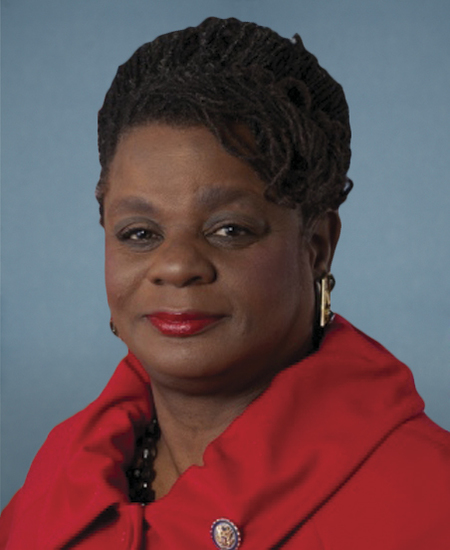
Rep. Gwen Moore
Sponsored bills
Maddy summaryThe IMPACT to Save Moms Act directs the Centers for Medicare & Medicaid Services to run a five-year demonstration project from 2027 to 2031, allowing states to test new payment models for maternity care under Medicaid and state child health plans. This initiative aims to improve health outcomes for pregnant and postpartum individuals, with a specific focus on reducing disparities among groups that experience higher rates of maternal mortality and severe complications. To achieve these goals, the project requires states to consider alternative payment structures that account for pregnancy risk levels, include diverse care teams with training on bias, and address social factors affecting health. The bill also mandates that the federal government evaluate the project's impact on health outcomes and spending, and submit a final report to Congress with recommendations on whether to expand the program nationwide.
Maddy summaryThis non-binding resolution expresses the House of Representatives' view that the FDA should regulate mifepristone, a medication used for abortion, based on scientific evidence rather than political pressure. It highlights over 25 years of data showing the drug is safe and effective when prescribed via telemedicine or dispensed by mail and pharmacy. The bill advocates for policies that ensure equitable access to this care, particularly for marginalized communities facing barriers due to state-level restrictions. By citing numerous studies and medical organizations, the resolution calls for transparent, science-based decisions to maintain current access methods.
Maddy summaryThe Moms Matter Act directs the Department of Health and Human Services to create two main grant programs aimed at improving maternal mental health and reducing health disparities among pregnant and postpartum individuals. The first program provides funding to community organizations and healthcare providers to expand services that integrate mental health care into prenatal and postpartum settings, with a specific focus on groups facing higher risks of mortality and morbidity. The second program offers grants to educational institutions to train and recruit a diverse workforce of mental health professionals who specialize in caring for pregnant and postpartum patients. Both initiatives require recipients to submit annual reports on their activities and outcomes, while the legislation authorizes $25 million and $15 million respectively for each program from fiscal years 2027 through 2031.
Maddy summaryThe Maternal Health Pandemic Response Act allocates $200 million to the Centers for Disease Control and Prevention to improve data collection, surveillance, and research on how public health emergencies affect pregnant and postpartum individuals. This funding supports efforts to gather detailed demographic information on maternal health outcomes, establish regional centers of excellence, and expand surveys to better reach underrepresented communities. The legislation also requires the CDC to make this data publicly available in a disaggregated format while protecting patient privacy, and mandates public education campaigns to ensure accurate information reaches families and healthcare providers. Additionally, the bill creates a diverse task force to develop federal recommendations for respectful maternity care during emergencies, addressing issues such as telehealth access, doula coverage, and the treatment of mental health and substance use disorders. These measures aim to reduce health disparities and improve care quality for pregnant people from racial and ethnic minority groups during public health crises.
Maddy summaryThe Universal School Meals Program Act of 2026 mandates that all public schools provide free breakfast and lunch to every enrolled student, regardless of income. It establishes specific funding rates for these meals, adjusts payments based on the use of locally sourced food, and eliminates the ability of schools to collect debt for unpaid charges. Additionally, the bill expands free meal access to summer programs, afterschool care, and incarcerated juveniles while updating poverty measurement standards across various federal education and nutrition laws.
Maddy summaryThe YALI Act of 2025 establishes the Young African Leaders Initiative (YALI) to support emerging leaders in sub-Saharan Africa aged 18-35, focusing on business, civic engagement, and public administration. It creates at least four regional leadership centers in Africa for training, expands the Mandela Washington Fellowship (for 25-35-year-olds with demonstrated leadership), and requires annual reports on program outcomes. The bill mandates partnerships with private sector entities to fund networking, entrepreneurship, and leadership development, while requiring the State Department to submit implementation plans within 180 days of enactment. The program expires five years after enactment, with reports assessing its impact on U.S.-Africa relations, including trade, governance, and youth empowerment.
Maddy summaryThe CONNECT Act updates the John H. Chafee Foster Care Program to better support older youth who have experienced foster care at age 14 or older. It requires the program to help these young people build lasting relationships with mentors, peers, and family members to reduce isolation and create support networks. The bill also mandates that the Department of Health and Human Services issue guidance within a year of enactment, outlining eligible services, best practices for mentoring, and standards for notifying eligible youth about available programs. These changes aim to ensure youth in foster care receive written information about their permanency plans and have access to peer support and referrals to help achieve their long-term goals.
Maddy summaryThis House Resolution designates the week of May 3 through May 9, 2026, as National Postpartum Awareness Week for Communities of Color. It formally acknowledges the unique health challenges and disparities faced by pregnant people of color during the postpartum period. The measure does not create new laws or allocate funding but aims to raise awareness and encourage support for maternal health equity initiatives.
Maddy summaryThis bill prohibits the U.S. government from spending money on military actions against Iran between its enactment and December 31, 2026, unless Congress explicitly approves the use of force. It allows for military action only if Congress declares war, passes a specific authorization, or if the action is necessary to defend the United States or its allies from an imminent attack while following reporting requirements. The law directly restricts the President's ability to deploy troops without legislative approval during the specified timeframe.