

Maddy summaryHR 7197, the Home Energy Relief Act, repeals restrictions that previously prevented homeowners from combining federal energy rebates with other grants. It allows households to stack HOMES rebates (for whole-home energy upgrades) and high-efficiency electric home rebates with other federal funding, directly benefiting homeowners seeking energy-efficient upgrades. The bill also adds a new "high-cost urban retrofit bonus" allowing states to provide up to 20% additional rebates for electrification projects in pre-1970 housing, while ensuring total rebates don’t exceed project costs. Finally, it requires annual reports to Congress tracking rebate recipients, energy savings, and recommendations for expanding access to low-income households.
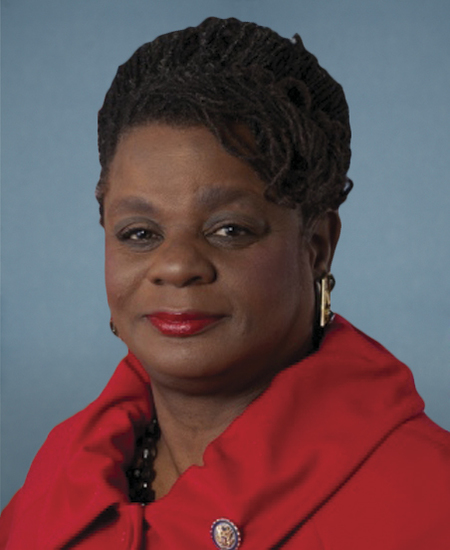
Rep. Gwen Moore
Sponsored bills
Maddy summaryHR 7227, the Mental Health and MAMA Act of 2026, eliminates cost-sharing (like copays or deductibles) for mental health and substance use treatment services during pregnancy and for one year after childbirth. It directly affects pregnant and postpartum individuals covered by group health plans or individual insurance policies, requiring these plans to cover such services with no out-of-pocket costs from pregnancy diagnosis through the 12-month period following birth. The law applies to in-network providers and includes telehealth services, with implementation delayed until two years after enactment. It amends key laws including the Public Health Service Act, ERISA, and the Internal Revenue Code to standardize this coverage requirement across health insurance systems. This policy change aims to improve access to care during a critical health period without altering existing coverage definitions.
Maddy summaryHR 7095 bans the importation of energy products (like refined oil) classified under chapter 27 of the U.S. tariff system if they were produced using crude oil originating from Russia, even if processed outside Russia. This directly affects U.S. importers and companies handling such energy products. The bill amends existing law to prohibit these imports by requiring customs to block shipments tied to Russian crude oil, regardless of where refining occurred. It targets "laundered" Russian oil that might otherwise enter the U.S. market through third-country refineries. The policy change focuses on restricting the flow of Russian energy revenue through import channels.
Maddy summaryThe Find It Early Act requires most health insurance plans, Medicare, Medicaid, TRICARE, and VA benefits to cover certain breast cancer screenings without cost-sharing for specific at-risk groups. It affects individuals at increased breast cancer risk (as determined by medical guidelines), those with dense breast tissue (as defined by the American College of Radiology), and others requiring screening due to factors like age, race, ethnicity, or family history. The bill mandates coverage for various screening methods including mammograms, ultrasounds, MRI, and other technologies at frequencies recommended by the National Comprehensive Cancer Network. This requirement takes effect for plan years beginning January 1, 2026, removing financial barriers to early detection.
Maddy summaryHRES 996 is a resolution introduced by multiple House members to impeach Kristi Lynn Arnold Noem, the Secretary of Homeland Security, for alleged violations of law and the Constitution. It outlines three articles of impeachment: obstructing congressional oversight by denying access to detention facilities and withholding funds, violating public trust through warrantless arrests and excessive force (including tear gas on children), and self-dealing by awarding federal contracts to associates without competitive bidding. If approved by the House, this resolution would formally charge Noem, triggering a Senate trial to determine her removal from office. The resolution itself does not enact new policy but initiates the constitutional impeachment process against a sitting Cabinet official.
Maddy summaryHR 6088, the *Restoring Food Security for American Families and Farmers Act of 2025*, repeals specific sections (10101-10108) from a prior reconciliation law. This action revives previous provisions related to food security programs that were modified by those repealed sections. The bill directly affects federal food assistance and agricultural support programs by restoring their prior legal framework. It does not create new policies but reverses recent changes to existing food security measures.
Maddy summaryThis bill updates federal nutrition law to include Puerto Rico in the Supplemental Nutrition Assistance Program (SNAP), allowing it to transition from its current funding method to the same SNAP benefits available to U.S. states. Puerto Rico must submit a 180-day plan to the USDA detailing its transition to SNAP, with approval required within another 180 days. The transition period lasts up to 5 years from the bill's effective date, during which Puerto Rico would continue receiving block grants while preparing for full SNAP participation. This change directly affects Puerto Rico's 1.4 million residents who currently receive nutrition assistance under a separate funding structure.
Maddy summaryHR 4782, the Local Farmers Feeding our Communities Act, establishes a USDA program to connect local farmers with food distribution networks. It requires eligible entities (like state agriculture agencies) to use funds to purchase unprocessed or minimally processed local foods from covered producers - including at least 25% from small-size, mid-size, beginning, or veteran farmers - while providing technical assistance for food safety and supply chains. The bill allocates $200 million annually (2026-2030) from the Commodity Credit Corporation, mandating 10% for Tribal governments and 1% per state before distributing remaining funds. This directly supports regional food security by boosting economic opportunities for local farmers and improving access to fresh, nutritious food through established distribution channels.
Maddy summaryHR 909, the Crime Victims Fund Stabilization Act of 2025, modifies how funds from the False Claims Act are deposited into the Crime Victims Fund. It specifies that from 2025 through 2029, certain False Claims Act proceeds (specifically those for qui tam plaintiff payments and government damage reimbursements) cannot be deposited into the fund. This change directly affects the composition of the Crime Victims Fund by excluding these specific revenue streams during the specified period. The bill does not create new benefits or alter victim services; it only adjusts fund allocation rules for existing False Claims Act revenues.
Maddy summaryThe Affordable CHOICE Act (HR 7023) creates a new public health insurance option to be offered exclusively through state health insurance exchanges starting in 2027. It directly affects consumers purchasing coverage through these exchanges by adding a government-run plan that must offer bronze, silver, and gold coverage tiers. Key provisions require the Secretary to set premiums based on geographic rates (using Medicare reimbursement rates if negotiations with providers fail), collect data to reduce health disparities, and establish provider networks using existing Medicare/Medicaid participating providers unless they opt out. The plan must maintain quality and affordability while operating under the same consumer protections as private plans in the exchanges.