

Benjamin Berell Ferencz Congressional Gold Medal Act This bill provides for the award of a Congressional Gold Medal to Benjamin Berell Ferencz in recognition of his service to the United States and the international community during the post-World War II Nuremberg trials and his lifelong advocacy for international criminal justice and the rule of law.
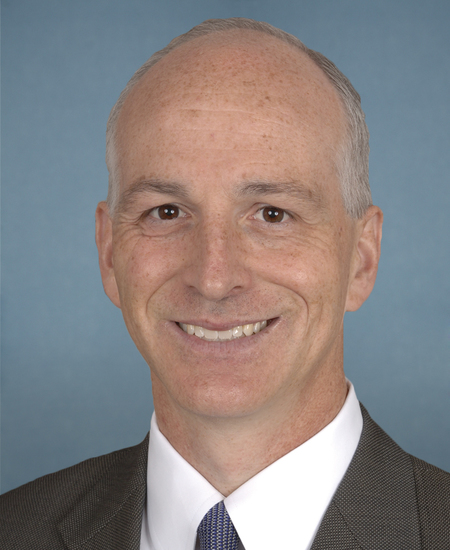
Rep. Adam Smith
Sponsored bills
Roadless Area Conservation Act of 2021 This bill bars the Department of Agriculture from allowing the construction of roads, the reconstruction of roads, or logging in an inventoried roadless area where those activities are prohibited by the Roadless Rule (i.e., certain federal regulations relating to roadless area management).
This resolution extends collective bargaining rights prescribed in the Congressional Accountability Act of 1995 to employees of the House of Representatives.
Maddy summaryHRES 1094 designates May 5, 2022, as the National Day of Awareness for Missing and Murdered Native Women and Girls. It directly supports Native American communities affected by disproportionately high rates of violence against women and girls, citing data showing murder rates over 10 times the national average in some Tribal communities. The resolution asks the public to honor victims and show solidarity with families, while acknowledging existing efforts like Savanna’s Act to address the crisis. As a symbolic resolution, it does not create new laws but raises awareness about this ongoing issue.
This resolution recognizes the significance of Asian/Pacific American Heritage Month as an important time to celebrate the contributions of Asian Americans, Native Hawaiians, and Pacific Islanders to the history of the United States. The resolution also recognizes that the Asian American, Native Hawaiian, and Pacific Islander communities enhance the rich diversity of the United States.
Maddy summaryThis resolution (HRES 1072) designates April 30, 2022, as "National Adult Hepatitis B Vaccination Awareness Day" to raise public attention. It does not create new laws or policies but symbolically supports efforts to address hepatitis B, which affects millions in the U.S. and has serious health risks like liver cancer. The resolution encourages increased adult vaccination (currently at 30% coverage), testing, and linkage to care, particularly for high-risk groups including people with opioid use disorder and communities disproportionately impacted by the disease. It highlights that hepatitis B is highly infectious and often undiagnosed, with rising cases linked to the opioid epidemic in several states.
Help for Healing Communities Act This bill establishes a program through which the Substance Abuse and Mental Health Services Administration may award grants to support mental and behavioral health services for survivors of active shooter events and incidents of targeted violence. Eligible grant recipients include state, tribal, territorial, and local governments and nonprofits located in or serving a community that experienced an active shooter event or incident of targeted violence in the preceding fiscal year.
This resolution recognizes that Black women are experiencing high, disproportionate rates of maternal mortality and morbidity in the United States and that Black Maternal Health Week is an opportunity to deepen the national conversation about Black maternal health.
Safe Workplaces Act This bill requires the Occupational Safety and Health Administration (OSHA) to promulgate an occupational safety and health standard on reducing the threat of workplace violence, including firearm violence. Additionally, the National Institute for Occupational Safety and Health must study and make recommendations about ways to reduce workplace violence. OSHA must consider those recommendations when promulgating the workplace safety and health standard.
Targeting Resources for Equitable Access to Treatment for Long COVID Act or the TREAT Long COVID Act This bill requires the Department of Health and Human Services to award competitive grants to create or expand the capacity of clinics that treat patients with persistent, long-term symptoms following recovery from acute COVID-19 (i.e., Long COVID). Eligible recipients include federally qualified health centers, rural health clinics, urban Indian health centers, and state and local health departments.