

Maddy summaryHR 1826 (PSA Screening for HIM Act) requires health insurance plans and issuers to cover prostate cancer screenings without out-of-pocket costs for men aged 40 and over who are at high risk of prostate cancer. This directly affects African-American men and men with a family history of prostate cancer (defined as having a first-degree relative diagnosed with or who died from prostate cancer). The bill mandates coverage for evidence-based screenings under the same requirements as other preventive services, effective for plan years starting January 1, 2024. It aims to address disparities in prostate cancer outcomes by removing financial barriers to early detection for high-risk groups.
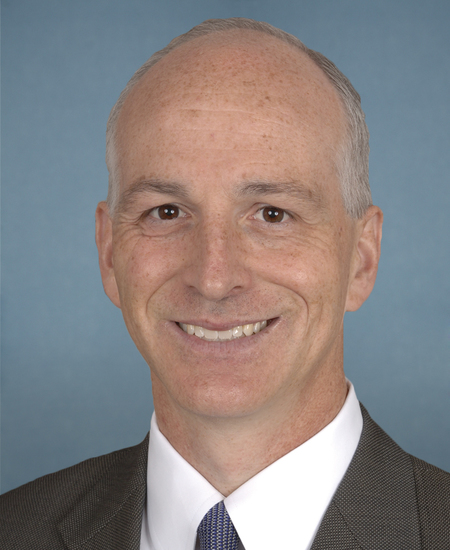
Rep. Adam Smith
Sponsored bills
Maddy summaryThe Women's Health Protection Act of 2023 would protect access to abortion services by prohibiting states from imposing restrictions that are more burdensome than those for comparable medical procedures. The bill would ensure people can obtain abortion services before fetal viability without unnecessary limitations like mandatory waiting periods or biased counseling, and after viability when necessary to protect the patient's life or health. It would preempt state laws that conflict with these protections and allow for civil enforcement actions to challenge restrictive state laws. This bill directly affects people seeking abortion services (including transgender and nonbinary individuals who can become pregnant), health care providers, and states that have implemented abortion restrictions.
Maddy summaryHRES 277 is a non-binding resolution passed by the U.S. House of Representatives in April 2023 that urges the United States Postal Service (USPS) to restore mail delivery standards in effect as of July 1, 2012. It specifically calls for ending the 2015 service cuts that eliminated overnight first-class mail delivery and delayed other mail types, which the resolution states harmed businesses, rural communities, and the economy. The resolution cites the Postal Regulatory Commission’s finding that USPS could achieve cost savings without degrading service, emphasizing that returning to 2012 standards would improve delivery reliability without worsening USPS finances. As a resolution, it does not mandate action but expresses the House’s policy preference.
Maddy summaryHR 1509 reauthorizes annual federal funding for the Healthy Food Financing Initiative (HFFI), which helps establish grocery stores and healthy food access in underserved communities. The bill mandates increasing annual funding from $25 million in fiscal year 2024 up to $50 million per year starting in 2028. This funding supports projects like new supermarkets in "food desert" areas, directly benefiting residents in low-income neighborhoods with limited grocery options. The initiative provides grants and loans to developers, aiming to improve nutrition access without changing existing program rules.
Maddy summaryThe Free to Grow Act of 2023 repeals a specific felony provision related to hemp production under federal law. It removes Section 297B(e)(3)(B) of the Agricultural Marketing Act of 1946, which previously classified certain hemp production violations as felonies. This change directly affects hemp producers by eliminating the risk of felony charges for regulatory non-compliance in hemp cultivation. The bill simplifies legal consequences for growers by aligning penalties with the current federal regulatory framework for hemp.
Maddy summaryThis bill amends the SNAP program to prevent retail food stores or wholesale food businesses from being denied authorization to accept benefits solely due to past criminal convictions. It restricts consideration of criminal offenses to those occurring within the last 5 years and establishes pathways for businesses to prove rehabilitation, such as demonstrating 5 years of compliance after a felony conviction or 3 years without reconviction. Businesses may also provide evidence of mitigating circumstances, age at the time of offense, or relevance of the offense to SNAP responsibilities. The changes apply directly to food retailers seeking or maintaining SNAP authorization, aiming to reduce automatic disqualifications based on historical criminal records.
Maddy summaryHCONRES 32 is a symbolic resolution supporting International Transgender Day of Visibility, introduced in the U.S. House of Representatives on March 30, 2023. It encourages Americans to observe the day through ceremonies and activities, celebrates transgender achievements, and recognizes the community's fight for dignity amid ongoing discrimination and anti-trans legislation. The resolution does not create new laws or policies - it is a non-binding statement of support, referencing over 700 anti-trans bills introduced in 2021-2023 that target education, healthcare, and identity documents. It directly acknowledges transgender individuals and their contributions without altering any legal rights or obligations.
Maddy summaryHR 2403, the Enhanced Background Checks Act of 2023, modifies federal firearm background check procedures to address delays. It requires firearm licensees to wait at least 10 business days after a prospective buyer submits a petition verifying they are not prohibited from owning firearms before completing a sale, if the background check system hasn't cleared the transaction. The bill also mandates the Attorney General to create an electronic petition form, provide timely responses to petitions, and track delays. Additionally, it requires multiple reports analyzing implementation, transaction delays, denial reasons by state, and potential impacts on domestic violence victim safety, with the first report due within 150 days of enactment.
Maddy summaryThe International Human Rights Defense Act of 2023 creates a permanent Special Envoy at the State Department to coordinate U.S. efforts against discrimination and violence targeting LGBTQI+ people globally. The bill requires the development of an annual global strategy to address criminalization, discrimination, and violence based on sexual orientation, gender identity, or sex characteristics. It also mandates that U.S. country reports on human rights practices include detailed information about laws and practices affecting LGBTQI+ communities. The legislation authorizes U.S. foreign assistance programs to support LGBTQI+ rights through health services, legal protections, and community capacity building. This bill aims to strengthen U.S. diplomatic engagement on LGBTQI+ rights as part of broader human rights policy.
Maddy summaryThis bill establishes new salary thresholds for white-collar workers to qualify for overtime pay, starting at $45,000 annually in 2023 and increasing to $75,000 by 2026. It requires automatic annual adjustments based on the 55th percentile of full-time salaried workers' earnings, as tracked by the Bureau of Labor Statistics. The bill also limits non-exempt duties to no more than 20% of a worker's time. These changes would make more salaried employees eligible for overtime pay, reversing a long-term decline in coverage.