

Maddy summaryThis bill updates federal law to ensure tribal child support enforcement agencies have the same access to tax information as state agencies. It amends the Social Security Act and Internal Revenue Code to explicitly include tribal organizations receiving federal grants under Section 455(f) in provisions allowing the use of tax refund data to collect overdue child support payments. Tribal agencies will now be treated equally with state agencies for accessing tax information and receiving reimbursement for enforcement reports. This change directly affects Native American tribes operating child support programs and the parents and children they serve, enabling more effective collection of overdue support.
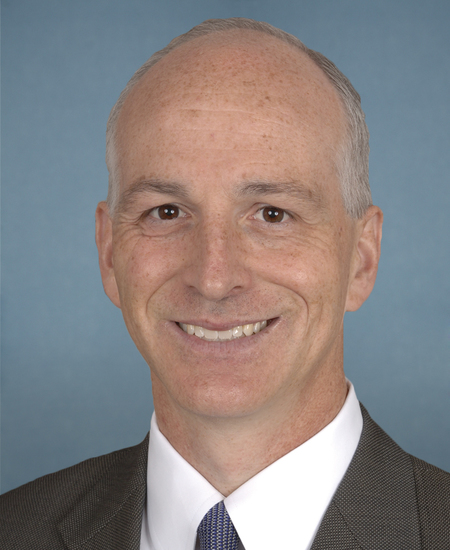
Rep. Adam Smith
Sponsored bills
Maddy summaryThe Stop Campus Hazing Act requires colleges and universities to publicly report hazing incidents involving student organizations. It defines hazing as intentional acts causing physical or psychological harm during initiation or membership in student groups, including activities like forced substance consumption, sleep deprivation, or sexual acts. Institutions must include hazing statistics in annual security reports and publish a "Campus Hazing Transparency Report" on their websites by July 1, 2025, detailing findings about organizations violating hazing policies. The reports must include organization names, violation descriptions, and key dates while excluding personally identifiable student information. This applies to all colleges participating in federal student aid programs.
Maddy summaryThis bill, HR 1097 (Everett Alvarez, Jr. Congressional Gold Medal Act of 2023), authorizes the award of a Congressional Gold Medal to Everett Alvarez, Jr., in recognition of his service as a U.S. Navy pilot and Vietnam War prisoner of war. It directly honors Alvarez, who was the first U.S. pilot shot down in the Vietnam War, spent over 8.5 years in captivity, and later served in the Peace Corps and Veterans Administration. The bill’s key mechanism is directing the U.S. Mint to strike a gold medal bearing his name and image, with bronze duplicates available for sale to cover costs. It does not create new policies or affect any group beyond the honoree.
Maddy summaryThis bill extends funding for the National Landslide Preparedness Act through 2028, replacing the previous 2021-2024 authorization period. It directly affects existing federal landslide preparedness programs by continuing their current funding structure without new requirements. The key change is simply updating the program's authorization period in two specific sections of the law (sections 3(h) and 5(e)). The bill does not create new policies or alter how landslide preparedness activities are conducted.
Maddy summaryThis bill makes permanent Medicare telehealth flexibilities for Indian health programs and urban Indian organizations. It allows patients in tribal communities to receive covered telehealth services from home (not just medical facilities) and expands coverage to include audio-only visits starting January 1, 2025. The policy directly affects tribal health providers, urban Indian organizations, and Medicare beneficiaries living in tribal communities who rely on these services. These changes ensure consistent access to telehealth care under Medicare without requiring physical clinic visits for eligible patients.
Maddy summaryThe ASSET Act eliminates asset limits for low-income households applying for federal assistance programs like Temporary Assistance for Needy Families (TANF), SNAP (food assistance), and LIHEAP (energy help). This means families can save money in bank accounts or build financial resources without risking loss of benefits. The bill also updates Supplemental Security Income (SSI) resource limits to $20,000 for individuals and $10,000 for couples in 2024, with future annual inflation adjustments. The changes take effect 30 days after the bill's enactment, with states given up to two years to implement if new legislation is needed.
Maddy summaryHR 8796, the "Stop Comstock Act," removes outdated restrictions from federal law that previously banned the distribution of materials related to contraception and abortion as "obscene" or "indecent." The bill amends Title 18 and the Tariff Act by deleting references to "indecent," "immoral," "unlawful abortion," and "procuring abortion" from provisions governing obscene materials. It clarifies that the law only prohibits "obscene materials" in commerce, eliminating broad restrictions on reproductive health information. This directly affects internet platforms, healthcare providers, and individuals sharing reproductive health resources by removing legal barriers to their distribution.
Maddy summaryThis bill requires Medicare Advantage plans to implement electronic prior authorization systems by 2027 and publish detailed data on their approval and denial rates for medical services by 2026. It directly affects Medicare Advantage plans (private insurers offering Medicare coverage) and their enrollees (seniors 65+), mandating transparency about prior authorization decisions, processing times, and appeal outcomes. Key provisions include requiring plans to report annual statistics on request approvals/denials, average processing times, and use of technology, with this data published publicly by the Centers for Medicare & Medicaid Services. The bill also sets timelines for plan responses to prior authorization requests and mandates reports to Congress on implementation and impacts.
Maddy summaryThe Ensuring Excellence in Mental Health Act (HR 8543) establishes a permanent Medicaid payment system for Certified Community Behavioral Health Clinics (CCBHCs) and adds their services to Medicare coverage. It creates a new Medicaid payment system that calculates payments based on clinic costs with annual inflation adjustments, and sets Medicare reimbursement at 80% of the lesser of actual charges or determined amounts. The bill also creates a new grant program providing $552.5 million annually from 2024-2028 to support CCBHC operations, with specific certification requirements including 24/7 crisis services, sliding scale fees, and care coordination across providers. The legislation requires clinics to meet new certification standards and establishes a data collection system to track clinic performance.
Maddy summaryThe Community Housing Act of 2024 significantly increases federal investment in affordable housing through major funding boosts, including $44.5 billion for the Housing Trust Fund and $1.5 billion for the Capital Magnet Fund over the next decade. It repeals the Faircloth amendment, which had limited public housing construction since 1992, allowing public housing authorities to build new units without the previous cap. The bill establishes a permanent emergency rental assistance program providing $3 billion annually through 2029 to help low-income households with rent payments and creates the Unlocking Possibilities program to fund local efforts to streamline housing regulations and reduce zoning barriers. These provisions directly affect low- and moderate-income households, community land trusts, and rural communities facing housing insecurity and affordability challenges.