

Maddy summaryHR 1522, the Federal Retirement Fairness Act, changes federal retirement rules to include temporary employees' service after January 1, 1988, in retirement benefit calculations. It directly affects temporary federal employees (including U.S. Postal Service workers) and Members of Congress who served after that date. The bill removes a previous cutoff date in retirement law, allowing their temporary service to count toward retirement eligibility. This means eligible temporary workers can now have their full service period considered when calculating retirement benefits.
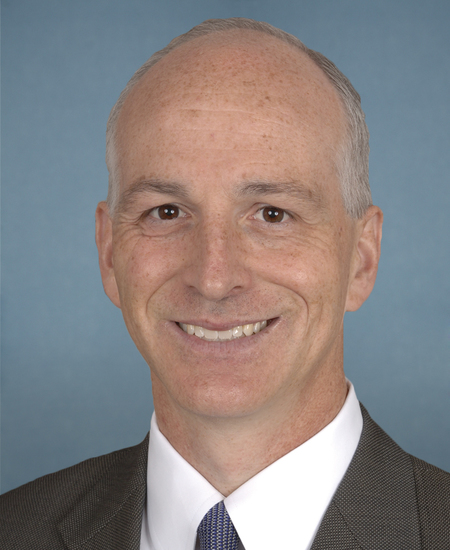
Rep. Adam Smith
Sponsored bills
Maddy summaryHR 4482, the Stop NOAA Closures Act, imposes a temporary moratorium on closing, suspending, or limiting access to National Oceanic and Atmospheric Administration (NOAA) facilities, effective until a report is submitted to Congress by January 21, 2029. The bill requires NOAA and the General Services Administration to submit detailed reports to specific congressional committees before any future facility closure, suspension, lease termination, or consolidation - outlining cost-benefit analyses, service impacts, and justification. Exceptions apply only for emergencies posing immediate threats to personnel safety. This bill directly affects NOAA's facility management decisions and mandates congressional oversight for future closures.
Maddy summaryHR 4516, the Saving Lives and Taxpayer Dollars Act, prohibits the U.S. government or its aid partners from destroying food, medicine, vaccines, or other foreign assistance commodities before they expire, requiring these items to be redirected to intended beneficiaries instead. The bill mandates that agencies like USAID, State, and Agriculture must make every effort to donate or sell expired aid items to those in need before disposal. It also requires annual reports to Congress detailing any expired, spoiled, or destroyed aid items, including reasons for not redirecting them and associated costs. This directly affects U.S. foreign aid agencies and their global partners, ensuring aid reaches people facing hunger, disease, or health crises rather than being wasted.
Maddy summaryThis bill authorizes $5 billion annually from 2026 to 2030 to fund repairs and modernization projects at Department of Energy national laboratories. It directs funding for critical infrastructure upgrades (like buildings, utilities, and roads), modernization of research facilities to support scientific missions, and sustainable operations. The Secretary of Energy must submit annual project lists and funding plans to Congress, with at least one-third of funds managed by the Office of Science. These changes directly affect the 17 national laboratories conducting scientific research and energy-related work.
Maddy summaryThe Gun Safety Incentive Act establishes voluntary best practices for safe firearm storage (e.g., in homes, vehicles, businesses) through the Attorney General, requiring public education and annual updates. It mandates that firearm manufacturers include a "SAFE STORAGE SAVES LIVES" notice with every handgun, rifle, or shotgun starting in 2027, directing consumers to a public website with storage guidance. The bill also creates a $10 million annual grant program for states and tribes to fund local safe storage device distribution programs and offers a tax credit (up to $400 per device) to manufacturers selling safe storage devices. These provisions directly affect firearm manufacturers, state/local governments, and safe storage device sellers, focusing on accessible storage education and financial incentives without restricting firearm ownership.
Maddy summaryThis bill establishes federal worker heat protection standards to prevent heat-related illness and injury. It requires employers to provide a workplace free from heat stress hazards, including access to cool water, scheduled rest breaks, shaded cooling areas, and training on heat illness symptoms. The Secretary of Labor must create these standards within one year, incorporating evidence-based practices like engineering controls (e.g., ventilation), administrative measures (e.g., adjusted schedules), and employer-paid personal protective equipment. The law directly affects all employers in high-heat work environments - such as construction, agriculture, and manufacturing - and strengthens whistleblower protections for workers reporting safety violations.
Maddy summaryThe Cool Corridors Act of 2025 expands the existing Healthy Streets program to fund tree planting, shade structures, and green infrastructure along transportation corridors - like bus stops, transit hubs, and school zones - to reduce heat exposure. It directly affects communities facing extreme heat and limited tree canopy (especially low-income or historically underserved areas), as well as state/local transit agencies, schools, and environmental groups. Key provisions include requiring projects to prioritize heat-vulnerable regions, mandate annual reporting on temperature reduction and equity outcomes, and ensure tree planting doesn’t obstruct traffic safety. The bill also extends program funding through 2030 and mandates coordination with agencies like the EPA and Forest Service.
Maddy summaryThe Child Care for Working Families Act creates a federal program to provide affordable, high-quality child care for working families with children under age 6. It would provide direct child care assistance through certificates or grants to parents, with no copayment required for families at or below 85% of state median income. The program requires states to implement quality standards for child care providers, including a tiered quality system and minimum wage requirements for staff (at least a living wage equivalent to elementary educators). The bill appropriates $20 billion for the program over five years, with additional funding for quality improvement initiatives and universal preschool services.
Maddy summaryThis bill would allow states to create their own universal health care systems by applying for waivers that replace federal health programs with state-based coverage. States would need to demonstrate they can cover at least 95% of residents within 5 years, maintain comparable benefits and affordability, and provide comprehensive coverage including reproductive health services. The federal government would redirect funds that would have gone to federal programs like Medicaid and Medicare to the states, with states required to submit regular reports on coverage progress and costs. The bill includes specific protections for Indian health care providers and ensures coverage for vulnerable populations without imposing new costs on them. This framework would apply to states that choose to implement their own universal health care system rather than relying on existing federal programs.
Maddy summaryHR 4387, the People's Response Act, establishes a new Division on Community Safety within the Department of Health and Human Services to fund evidence-based, nonpunitive approaches to community safety that reduce reliance on law enforcement and criminal legal systems. The bill creates four grant programs totaling $13.5 billion (2026-2030) to support community-based organizations ($4 billion), local governments ($3.5 billion), states ($3.5 billion), and first responder hiring ($2.5 billion), with specific requirements to prioritize communities disproportionately impacted by the criminal legal system. These grants mandate the use of "qualified approaches to community safety" including crisis intervention, violence prevention, community-led safety planning, and support for survivors of violence, while requiring at least 30% of funds to go to rural areas and staff hired with grant funds to earn at least $17 per hour. The bill requires recipients to submit regular reports on how funds are used and their impact on reducing criminal legal system involvement, with an emphasis on racial equity and community input. It aims to shift resources away from carceral systems toward community-driven safety solutions that address root causes of violence and support marginalized communities.