

Maddy summaryThe Converting Our Waste Sustainably (COWS) Act of 2023 establishes a new federal program to help dairy and livestock producers reduce methane emissions and improve soil health. It directly affects eligible producers who currently use liquid manure lagoons or methane-capturing systems by offering cost-sharing (up to 90% federal funding) to adopt covered management measures like pasture-based grazing, solid manure separation systems, or composting practices. The program allocates $1.5 billion over five years (2024-2028), prioritizing projects near low-income communities and reserving funds for beginning, limited-resource, and socially disadvantaged farmers. Payments require producers to implement at least one approved measure for up to three years, with a $825,000 cap per entity over five years.
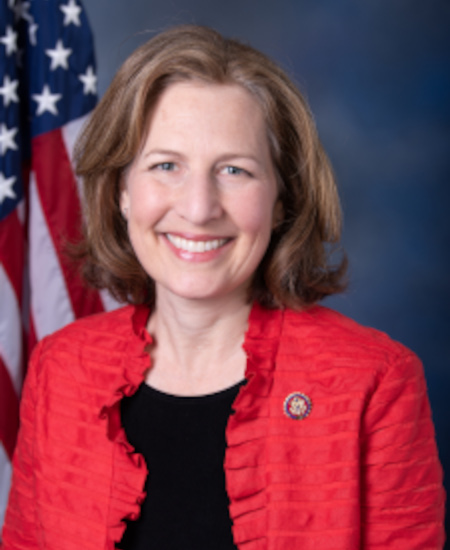
Rep. Kim Schrier
Sponsored bills
Maddy summaryThis bill reauthorizes the Collaborative Forest Landscape Restoration Program through 2032, increasing annual funding from $4 million to $8 million. It expands the program's scope to include wildfire risk reduction across public, Tribal, private, and State lands - especially in the wildland-urban interface - and prioritizes watershed health and drinking water protection. The bill requires standardized monitoring for projects and allows new implementation tools like conservation finance agreements. It directly affects collaborative groups working on forest restoration across multiple land ownerships.
Maddy summaryHR 4185, the EAT Healthy Foods from Local Farmers Act, allows states to use federal funds to purchase fresh produce, dairy, and other priority foods directly from local small farms and food businesses - particularly those owned by women, veterans, or beginning farmers - to distribute through emergency food programs. It allocates $50 million annually (2024-2028) for states to create projects that partner with eligible local growers and emergency feeding organizations, focusing on culturally relevant foods for communities facing food insecurity. States must submit plans detailing partnerships, food types, and timelines, with annual reporting to Congress on project effectiveness. The bill aims to strengthen local food supply chains, improve access to nutritious food, and support underserved agricultural businesses.
Maddy summaryHR 5113, the REACH Our Tribes Act, requires the U.S. Department of Agriculture to establish an annual consultation process with Tribal Governments on budget requests and program reauthorizations (like farm bills), including 30 days' notice before meetings and public reports summarizing discussions and responses. It also mandates USDA to publicly report on funding provided to Tribal entities through its programs and improve outreach for underutilized programs. Additionally, the bill creates an interagency task force to streamline application requirements for economic development programs and a public online repository listing all federal economic development programs available to tribes. These provisions directly affect Tribal Governments and Tribal entities (including tribes, tribal organizations, and businesses) by enhancing their input in budget decisions and improving access to federal resources.
Maddy summaryThis bill reauthorizes the National Dam Safety Program through 2028 by updating the expiration date in existing law from 2023 to 2028 across all program provisions. It extends the federal program that funds dam safety inspections, risk assessments, and emergency planning efforts. The program directly affects dam owners (including state agencies and private operators) and communities living near dams by maintaining current safety oversight standards. No new requirements or funding levels are added; it simply continues the existing program structure.
Maddy summary# Summary of the "Protecting Our Democracy Act" This comprehensive legislation aims to strengthen democratic processes, increase government transparency, and prevent foreign interference in elections. Key provisions include: ## Ethics and Transparency - **Ethics Pledge**: Requires all appointees to sign an ethics pledge committing to: - Ban on gifts from registered lobbyists - 2-year revolving door ban (prohibiting participation in matters related to former employers) - Golden parachute ban (no special payments from former employers) - Commitment to decision-making based on public interest - **Tax Transparency**: Requires presidential and vice presidential candidates to disclose 10 years of tax returns, with sitting presidents submitting returns within 30 days of enactment ## Campaign Finance and Foreign Interference - **Foreign Contact Reporting**: Requires political committees to report any contact with "covered foreign nationals" within 1 week - **Enhanced Penalties**: Criminal penalties of up to $1 million and 5 years in prison for violations - **Online Advertising Rules** ("Honest Ads Act"): - Requires clear disclosure of who paid for political ads online - Mandates machine-readable public databases of political ads - Requires visible sponsor identification that remains when ads are shared - Defines "qualified political advertisements" to include various online formats ## Preventing Patronage Systems - Limits exceptions to competitive service for federal positions - Restricts transferring positions between competitive and excepted service - Requires employee consent for position transfers ## Use of Federal Property - Prohibits holding national political conventions on federal property - Requires publicly available visitor records at White House and other official locations (with privacy exceptions) The legislation establishes detailed definitions, reporting requirements, and enforcement mechanisms across multiple agencies, with the goal of increasing transparency, preventing foreign interference, and ensuring ethical conduct in government service.
Maddy summaryHR 4135, the AG RESEARCH Act, addresses long-neglected infrastructure needs at U.S. agricultural research facilities. It provides $200 million annually (2023-2027) for competitive grants to schools of agriculture to repair or modernize research facilities and equipment, with requirements for equitable geographic and institutional distribution (limiting any single state to 20% of funds). Additionally, it allocates $200 million annually for direct payments to USDA’s Agricultural Research Service (ARS) facilities to address deferred maintenance, prioritizing the most critical structures per their 2012 capital strategy. The bill also authorizes up to $1 billion per year (2024-2028) for planning and construction related to these facilities. These provisions target public research institutions directly affected by aging infrastructure, aiming to maintain U.S. competitiveness in agricultural science.
Fair Access to Agriculture Disaster Programs Act This bill waives the adjusted gross income limitations for payments or benefits under specific Department of Agriculture (USDA) disaster assistance programs for a person or legal entity that derives a portion of their income from agriculture. (Currently, a person or entity is not eligible to receive certain benefits during a crop, fiscal, or program year if their average gross income exceeds $900,000.) Specifically, in the case of an excepted payment or benefit, the adjusted gross income limitation is waived if 75% or more of the average adjusted gross income for the person or entity is derived from farming, ranching, or silviculture activities. These activities include agritourism, direct-to-consumer marketing of agricultural products, and the sale of agricultural equipment owned by such person or entity. The bill applies to the USDA Livestock Indemnity Program; Livestock Forage Disaster Program; Emergency Assistance for Livestock, Honey Bees, and Farm-Raised Fish Program; Tree Assistance Program; and Noninsured Crop Disaster Assistance Program.
Maddy summaryThe Headwaters Protection Act of 2023 reauthorizes and improves the Water Source Protection Program under the Healthy Forests Restoration Act, focusing on protecting watersheds and water supplies on National Forest lands and adjacent non-Federal lands. It expands eligible partners to include acequia associations, local water management entities, land-grant mercedes, and private water delivery organizations, requiring projects to address watershed health, water quality, climate resilience, and wildfire risk. The bill increases annual funding to $30 million (for fiscal years 2024-2033) and sets aside 10% for non-Federal partner capacity building. It also mandates adjacent landowner support for projects on their property and clarifies that the program does not alter land ownership or management.
Maddy summaryThe Forest Data Modernization Act of 2023 updates the U.S. Forest Service's national forest inventory program to improve data collection on forest resources, with specific focus on forest carbon. It mandates new surveys of timber products and woodland owners, standardizes definitions for forest data reporting, and requires the Forest Service to develop a strategic plan every five years integrating remote sensing technology and carbon data (including soil carbon). The bill ensures collected data is publicly accessible while protecting the confidentiality of individual landowners' non-aggregated information. These changes aim to enhance the accuracy of forest resource tracking for management and policy decisions across public and private lands.