

Maddy summaryHR 5408, the Faster Labor Contracts Act, requires employers to begin negotiating a first contract with a newly certified union within 10 days of written request. If no agreement is reached within 90 days, the parties must seek mediation, and if unresolved after 30 days of mediation, the dispute moves to binding arbitration by a three-member panel. The arbitration decision, based on factors like employer finances, industry standards, and cost of living, becomes binding for two years. This bill directly affects newly certified unions and their employers during initial contract negotiations, aiming to reduce delays that currently average 465 days.
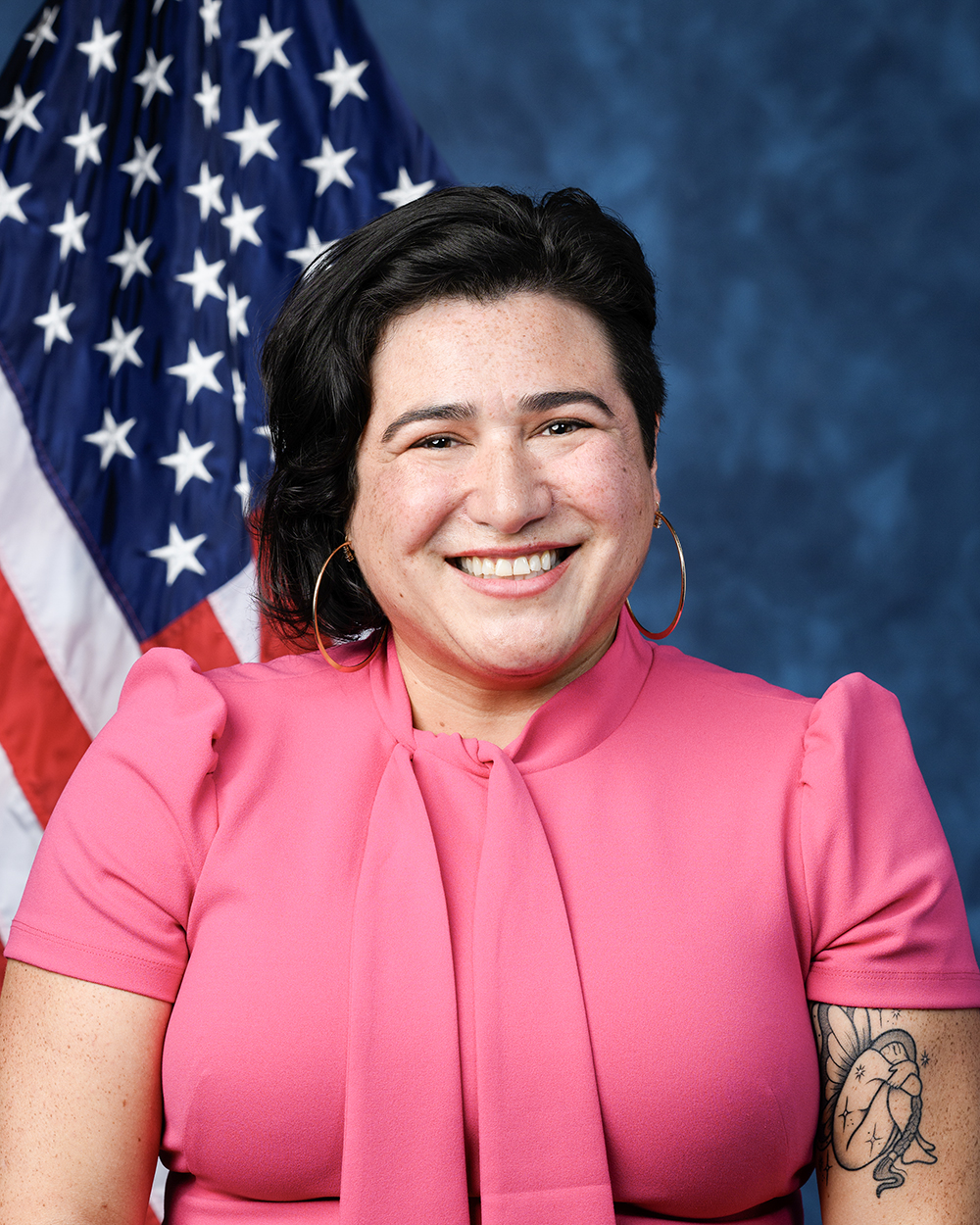
Rep. Emily Randall
Sponsored bills
Maddy summaryThis bill, known as the Double the Wage for Overtime Act of 2026, aims to change how overtime pay is calculated for employees covered by the Fair Labor Standards Act. It directly affects workers who currently earn less than $23,660 annually, as it would require employers to pay them two times their regular hourly rate instead of one and a half times for hours worked beyond 40 in a week. The law takes effect 180 days after it is signed, ensuring a transition period before the new pay requirements begin. By raising the overtime multiplier, the legislation seeks to increase earnings for hourly workers who work extra hours.
Maddy summaryHR 6916, the Federal Program Integrity and Fraud Prevention Act of 2025, prohibits individuals convicted of specific federal fraud-related felonies from receiving federal contracts, grants, or other financial assistance. It automatically adds such individuals to the federal exclusion database (System for Award Management) within three years of conviction, preventing their access to federal funds. Agency heads may grant limited written waivers for exemptions, but must notify Congress immediately. The bill applies to all federal agencies and requires the Attorney General and General Services Administrator to issue implementation guidance within one year of enactment. It targets individuals convicted of offenses like wire fraud, identity theft, or bribery under specified federal laws.
Maddy summaryHR 2860 reauthorizes the Northwest Straits Marine Conservation Initiative through 2032, continuing a program focused on protecting Puget Sound's marine ecosystem in Washington State. It maintains the existing Northwest Straits Advisory Commission (composed of local county representatives, Tribal governments, and state officials) and requires it to coordinate habitat restoration, monitor water quality, and collaborate with Tribal nations on conservation efforts. The bill authorizes $10 million annually (2026-2031) for the Commission to carry out its duties, including developing science-based restoration plans and reporting progress on benchmarks like habitat protection and water quality. It emphasizes collaboration with local communities, Tribal governments, and federal agencies like NOAA, without granting regulatory authority.
Maddy summaryThe Protecting Student Privacy Act prevents federal student aid data from being shared with immigration enforcement agencies for the purpose of enforcing immigration laws. This rule applies to information held by the Department of Education regarding students and their financial contributors, such as parents or spouses, and blocks its use for arrests, interviews, or surveillance by the Department of Homeland Security and other authorized entities. The law includes specific exceptions for court orders related to criminal offenses and for cases where a student or contributor voluntarily and without pressure consents to sharing their information. Additionally, the bill requires the Secretary of Education to report any unauthorized disclosures to Congress and states that this new rule overrides any conflicting state or local laws.
Maddy summaryHR 2389 transfers approximately 72 acres of land in Washington State, currently managed by the Forest Service, into federal trust for the Quinault Indian Nation. The land becomes part of the Quinault Indian Reservation and is administered by the Department of the Interior under standard trust rules. The bill explicitly prohibits the land from being used for tribal gaming and confirms it does not affect the tribe's existing treaty rights under the 1855 Treaty of Olympia. It also requires standard environmental disclosures for hazardous materials but does not mandate cleanup of any contaminants on the land.
Maddy summaryThe Celiac Safety Act of 2026 officially classifies gluten-containing grains as a major food allergen under federal law, directly impacting the food industry and individuals with celiac disease or gluten intolerance. This change requires manufacturers to label products containing wheat, rye, barley, or their crossbred hybrids with the same prominence as other major allergens like milk. The new labeling requirements will not take effect until 18 months after the law is enacted, giving businesses time to adjust their packaging and production processes.
Maddy summaryThis bill, titled the No Presidential Self-Serving Lawsuits Act of 2026, prevents the current or former President of the United States from filing civil lawsuits against the federal government. It specifically invalidates an existing settlement agreement between a former President and the Internal Revenue Service and bars the use of federal funds to create compensation for such lawsuits. Additionally, the legislation authorizes the Treasury Secretary to recover any money already spent in violation of these new restrictions. The primary goal is to stop a President from using taxpayer money to settle legal disputes with the government they lead.
Maddy summaryThis bill, the Provider Reimbursement Stability Act of 2026, aims to create more predictable payment adjustments for physicians and other healthcare providers under the Medicare program. It directly affects medical practices and providers who receive reimbursement for services through the physician fee schedule. The legislation increases a threshold for certain budget neutrality calculations from $20 million to $54.3 million in 2027, with automatic increases every five years thereafter. It also requires the government to correct payment estimates when actual service usage differs significantly from projections, mandates regular updates to cost calculations for practice expenses, and limits how much Medicare payment rates can change from year to year to a maximum of 2.5 percent.
Maddy summaryThis bill would add pharmacist services to Medicare Part B coverage for beneficiaries, specifically covering pharmacist-led testing and treatment for illnesses like flu, COVID-19, or strep throat during public health emergencies. It defines covered services as those performed under state law, often requiring collaboration with a physician, and sets payment at 80% of the lesser of the actual charge or 85% of physician payment rates. Pharmacists would be prohibited from balance billing for these services, ensuring Medicare beneficiaries pay only their standard copayment. The changes would take effect January 1, 2026.