

Maddy summaryHR 5340 prohibits the U.S. Department of Housing and Urban Development (HUD) and public housing agencies from sharing tenant records with immigration authorities for immigration enforcement purposes. It directly affects all HUD housing program participants (including renters and applicants, regardless of immigration status) by requiring HUD to obtain written consent or a language-proficient request from the individual before disclosing their records. Key provisions include banning disclosure without consent, preventing HUD from forcing public housing agencies to share records, and mandating a 90-day compliance report to Congress detailing record security and past sharing practices. The bill aims to protect housing privacy by ensuring immigration enforcement cannot access sensitive tenant information held by HUD without explicit individual authorization.
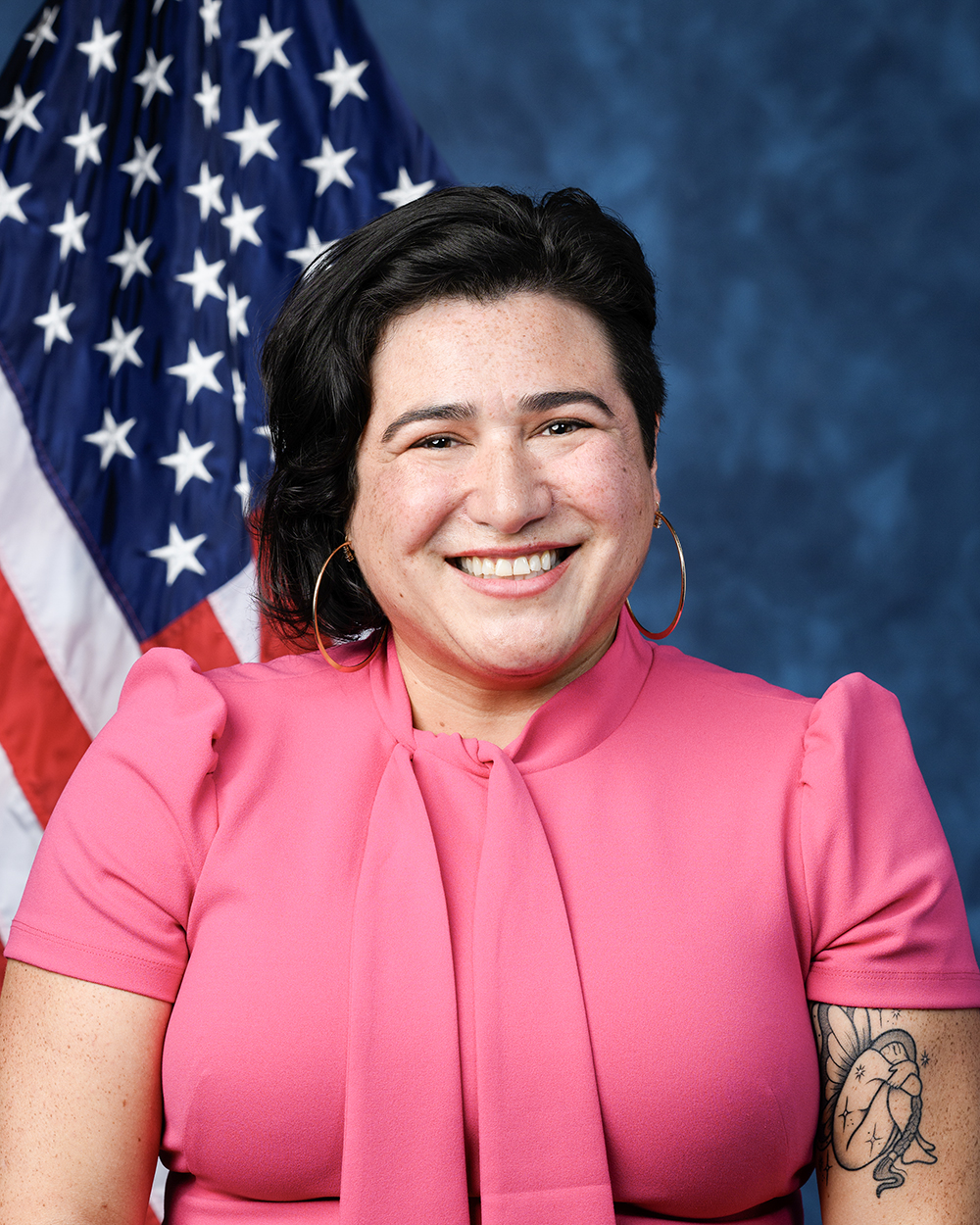
Rep. Emily Randall
Sponsored bills
Maddy summaryHRES 684 is a non-binding House resolution designating September 9, 2025, as "National Firearm Suicide Prevention Day." It aims to raise public awareness about firearm suicide statistics (including that firearms were used in 55% of U.S. suicides in 2023) and promote safe firearm storage as a key suicide prevention strategy. The resolution encourages health professionals to discuss safe storage with patients and supports existing awareness efforts led by organizations like Brady and End Family Fire. It directly affects the public and healthcare providers by emphasizing evidence-based prevention practices, not by creating new laws.
Maddy summaryThis bill modifies the Family and Medical Leave Act (FMLA) to extend eligibility to school support staff, including paraprofessionals, cafeteria workers, bus drivers, and clerical staff. It allows these employees to qualify for FMLA leave if they work 60% of their expected monthly hours (instead of the standard 1,250 hours), based on their school’s assigned schedule. Employers must maintain records of expected hours for each staff member. The change directly benefits part-time and seasonal education support staff who previously faced barriers to FMLA coverage.
Maddy summaryThe TERRA Act enables Indian Tribes to integrate funding from multiple federal programs into comprehensive plans addressing environmental threats and natural disasters, including climate impacts like flooding, erosion, wildfires, and sea level rise. The bill streamlines administrative processes by requiring only a single annual report instead of multiple reports from individual programs and allows tribes to reallocate funds across different services as needed. It establishes a streamlined permitting process for environmental reviews and creates an expedited fee-to-trust process for land acquisitions to support community-driven relocation efforts. The Act aims to reduce bureaucratic barriers while empowering tribes to address environmental challenges through their own community-driven strategies within the federal trust responsibility framework.
Maddy summaryThis bill increases federal funding for Impact Aid, which supports school districts that serve students on federal property (like military bases) or have high numbers of children with disabilities. It authorizes specific annual funding amounts for four key areas: payments for federal property acquisition, basic support for heavily impacted districts, aid for children with disabilities, and school construction. The funding grows incrementally each year from 2026 through 2031, with total annual amounts rising from $85 million to $250 million for property payments, and from $1.49 billion to $2.35 billion for basic district support. This directly affects school districts in communities with significant federal land or federal facility presence.
Maddy summaryThe Empowering Striking Workers Act of 2025 would expand unemployment insurance eligibility to workers unable to work due to labor disputes, including strikes or lockouts. It sets a 14-day waiting period (or earlier if replacements are hired, a lockout starts, or the dispute ends) before benefits begin, treating these workers as "unemployed" under federal law. The bill also removes the standard requirement for these workers to actively seek other employment to qualify for benefits. This directly affects workers involved in labor disputes, such as those on strike or unable to work due to employer lockouts.
Maddy summaryHR 2181, the Protect Our Watchdogs Act of 2025, strengthens protections for federal Inspectors General (IGs) by requiring the President to have specific, documented reasons to remove them. The bill amends federal law to specify nine grounds for removal, including documented felony convictions, gross mismanagement, waste of funds, abuse of authority, or neglect of duty - each requiring written justification. This directly affects IGs who oversee federal agency accountability and investigations, as it prevents arbitrary removals and mandates transparency in the process. The law applies to all federal Inspectors General across agencies, ensuring their independence is maintained through clear, enforceable standards.
Maddy summaryHR 1510, the Due Process Continuity of Care Act, expands Medicaid eligibility to cover individuals in jail or custody while awaiting trial or disposition of charges, at a state's option. This allows states to provide Medicaid benefits to this population without requiring them to be convicted first. The bill provides $50 million in planning grants to states to develop implementation plans, including assessing healthcare needs, recruiting providers (especially for behavioral health and substance use treatment), and creating electronic billing systems for correctional facilities and outpatient providers. States must also consult with stakeholders like jails, providers, and Medicaid advocates before finalizing their plans.
Maddy summaryThis bill requires most health insurance plans to cover HIV prevention services - including PrEP and PEP drugs, related lab tests, counseling, and monitoring - without cost-sharing (like copays or deductibles) or prior approval. It applies to private insurance, Medicare, Medicaid/CHIP, and federal employee health plans, directly affecting people who use HIV prevention medications. Key provisions mandate 100% coverage for FDA-approved HIV prevention drugs, eliminate cost-sharing for these services, and prohibit insurers from requiring preauthorization for them. The bill defines covered services to include all necessary components of HIV prevention care as outlined in current public health guidelines.
Maddy summaryThis bill prohibits Members of Congress, their spouses, and dependent children from owning or trading certain investments, including stocks, commodities, and derivatives (referred to as "covered investments"). It requires affected individuals to divest these investments within 90-180 days, with specific exemptions for Treasury bonds, diversified mutual funds, small business interests, and family trusts meeting strict conditions. Violations incur penalties of 10% of the investment's value plus disgorgement of profits, paid directly to the U.S. Treasury. The law applies to all covered individuals during federal service, with exceptions for investments acquired through inheritance or occupational trading (e.g., a spouse’s finance job).