

Maddy summaryHJRES 27 is a congressional resolution seeking to block a federal rule that redefined which waterways fall under the Clean Water Act's protections. It targets a rule submitted by the Army Corps of Engineers, Department of Defense, and Environmental Protection Agency (EPA) on January 18, 2023, which aimed to revise the "Waters of the United States" definition. The resolution would formally disapprove this rule under a specific federal procedure (Chapter 8 of Title 5), preventing it from taking effect. This would directly affect how federal agencies regulate pollution and development near water bodies, including wetlands and smaller streams.
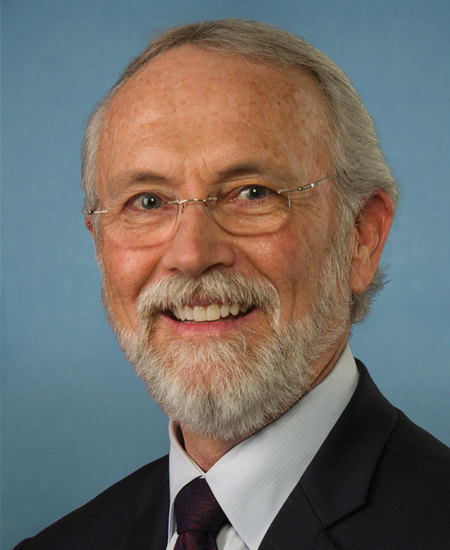
Rep. Dan Newhouse
Sponsored bills
Maddy summaryHR 1169, the VA E-Notification Enhancement Act, requires the Department of Veterans Affairs to provide veterans' education benefit documents - like eligibility certificates and award letters - electronically by default. This applies directly to veterans using education benefits under Chapter 30, 33, or 35 of the U.S. Code, or the Colmery Act's high-tech pilot program. Veterans can choose to receive these documents by mail instead of electronically and can change this preference anytime. The bill changes how the VA delivers these specific documents, making electronic delivery the standard process while maintaining the option for paper.
Maddy summaryThe VA Same-Day Scheduling Act of 2023 requires the Department of Veterans Affairs to schedule appointments for enrolled veterans during the same phone call when they request care. This applies to veterans enrolled in the VA healthcare system who contact the VA by phone to request appointments. The law mandates that the VA must complete the scheduling during the call - without delay or future scheduling - regardless of the appointment date. The requirement takes effect 120 days after the bill is enacted.
Maddy summaryHR 1762, the Northwest Energy Security Act, requires the Secretaries of Interior, Energy, and Army (who manage the Federal Columbia River Power System) to operate dams and power facilities consistent with the 2020 Columbia River System Operations plan. It prevents any new restrictions on hydroelectric generation at FCRPS dams or Snake River navigation in Washington, Oregon, or Idaho without explicit new federal law. The bill allows the Secretaries to amend the 2020 plan only for public safety, grid reliability, or if requirements are no longer needed, using a specific process. This directly affects how federal agencies manage power operations and river traffic in the Pacific Northwest.
Maddy summaryHR 2384, the Complete American Pipelines Act of 2023, requires the expedited construction of existing pipeline projects that received a Federal Energy Regulatory Commission (FERC) certificate of public convenience and necessity before January 1, 2018, and remain active. The bill prohibits judicial review of FERC certificates, related permits, or agency actions for these projects, mandating dismissal of any legal challenges seeking such review. It also grants the U.S. Court of Appeals for the District of Columbia Circuit exclusive authority to hear disputes about the bill's validity or scope. This directly affects pipeline developers with pre-2018 FERC approvals by removing legal barriers to completing their projects.
Maddy summaryHR 1362, the Saving America’s Energy Future Act, prohibits federal agencies from banning new oil and gas leasing or drilling permits on federal lands. It directly prevents the Secretaries of Agriculture (for National Forest System lands) and Interior (for other public lands) from implementing moratoriums on these activities. The bill’s key mechanism is a clear statutory ban requiring agencies to continue processing new leases and permits without delay. This policy change affects oil and gas companies seeking access to federal land resources by ensuring leasing processes remain active. The bill does not create new programs or alter environmental standards, only blocking a specific regulatory action.
Protect American Energy From China Act This bill prohibits federal funds from being used for implementing or administering the memorandum of understanding reached in 2011 between the Department of Energy and the Chinese Academy of Sciences on facilitating cooperation in nuclear energy science and technology.
Maddy summaryHR 2454, the United States-Israel PTSD Collaborative Research Act, establishes a grant program to fund joint research projects between U.S. academic or nonprofit entities and Israeli institutions focused on post-traumatic stress disorder (PTSD). The bill directs the Secretary of Defense, with coordination from the Departments of Veterans Affairs and State, to award grants for collaborative research addressing PTSD treatment gaps, building on existing U.S.-Israel scientific cooperation frameworks. It specifically targets research into improved PTSD diagnosis and treatment methods, rather than providing direct services or benefits. The program requires annual reporting to Congress on research outcomes and terminates seven years after the first grant is issued.
Maddy summaryThis bill expands educational benefits eligibility for military members discharged under specific conditions related to COVID-19 vaccines. It amends two key programs (All-Volunteer Force and Post-9/11 GI Bill) to include service members receiving a "general discharge under honorable conditions on the sole basis" of refusing a lawful vaccine order. This change ensures those discharged solely for vaccine refusal - when the order was lawful - retain access to educational assistance they would otherwise qualify for with other honorable discharges. The bill directly affects active-duty service members who were discharged for vaccine non-compliance, not for other misconduct.
Maddy summaryHR 1139, the GUARD VA Benefits Act, amends federal law to strengthen penalties for individuals or organizations charging veterans unauthorized fees when helping with VA benefit claims. It directly affects veterans seeking assistance with VA claims and the representatives (like advocates or attorneys) who might charge them fees. The bill adds a new provision making it a violation to solicit, charge, or receive any fee for preparing, presenting, or prosecuting VA claims, punishable by fines under Title 18. This change specifically targets unauthorized fee-charging while excluding fees covered under existing exceptions in sections 5904 or 1984 of the law.