

Maddy summaryThis bill establishes a digital system for TRICARE members to electronically file and track complaints about access to care at military medical facilities. It requires the Defense Department to create a system where beneficiaries can submit complaints online, view their status in real time, and have complaints automatically aggregated quarterly for review. The system mandates annual reports to Congress comparing complaint types (e.g., specialty vs. primary care, pediatric vs. non-pediatric, administrative hurdles) and detailing facility-level actions taken to address issues. The goal is to improve transparency and accountability in military healthcare access.
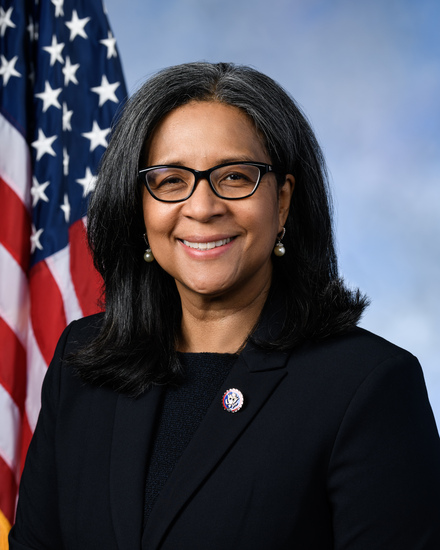
Rep. Marilyn Strickland
Sponsored bills
Maddy summaryThis bill establishes a Diversity and Inclusion Administrator at the Department of Labor to increase African American participation in apprenticeships. It requires all new and renewing registered apprenticeship programs to submit plans boosting African American enrollment and creates competitive grants for programs targeting underserved communities in fields like construction, healthcare, and tech. The grants fund outreach, mentoring, and support services to help African American youth access and complete apprenticeships. The bill directly affects African American young people and apprenticeship programs nationwide, with $2 million authorized for fiscal year 2026.
Maddy summaryThe Protect America's Workforce Act cancels an executive order issued on March 27, 2025, that excluded certain groups from federal labor-management relations programs, making it legally unenforceable. It also ensures that all collective bargaining agreements between federal agencies and labor unions, which were active as of March 26, 2025, remain fully effective until their agreed terms expire. This directly affects federal agencies, labor unions, and the employees covered by these agreements. The bill prevents federal funds from being used to implement the canceled executive order while preserving existing labor agreements.
Maddy summaryThis bill exempts multiemployer pension plans from automatic enrollment requirements under the Internal Revenue Code. Specifically, it amends Section 414A(c)(3) to explicitly exclude multiemployer plans (defined under Section 414(f)) from rules requiring automatic enrollment in retirement plans. This change directly affects workers enrolled in union-sponsored multiemployer pension plans, allowing these plans to avoid automatic enrollment obligations. The amendment applies to taxable years beginning after December 31, 2024.
Fairness for Servicemembers and their Families Act of 2025 This act requires the Department of Veterans Affairs (VA) to periodically review and report on the maximum coverage available under the Servicemembers' Group Life Insurance and Veterans' Group Life Insurance programs. Specifically, the VA must review such coverage amount every five years, taking into account the average percentage by which the Consumer Price Index for All Urban Consumers (CPI-U) increased in the five fiscal years preceding the review.
Maddy summaryThis concurrent resolution (HCONRES 65) is a symbolic congressional commendment of state and local governments that have affirmed reproductive rights as human rights. It recognizes efforts by jurisdictions like Carrboro, North Carolina; Austin, Texas; and Fulton County, Georgia, which passed resolutions or proclamations declaring abortion access a human right and condemning criminalization of pregnancy outcomes. The resolution urges states to repeal restrictive abortion laws and protect access to reproductive care, but it does not create new legal requirements or fund programs. As a procedural resolution, it has no binding effect on federal or state law.
Maddy summaryThis bill increases federal student loan limits for graduate and professional students. Starting July 1, 2026, it sets a $50,000 annual limit and a $200,000 total aggregate limit (beyond undergraduate borrowing) for unsubsidized Federal Direct Stafford loans. These changes directly affect graduate and professional students pursuing advanced degrees who rely on federal loans for education costs. The provisions aim to provide higher borrowing capacity for these students' educational expenses under the Higher Education Act.
Maddy summaryThis bill extends and increases tax credits for sustainable aviation fuel (SAF) producers. It raises the credit rate from 20 cents to 35 cents per gallon for certain SAF facilities and from $1.00 to $1.75 per gallon for others, while requiring SAF to meet ASTM International standards and exclude palm oil or petroleum-derived sources. The credit period is extended from ending in 2029 to 2033, applying to fuel produced after December 31, 2025. The bill directly affects SAF producers meeting these specific criteria, aiming to incentivize cleaner fuel production for the aviation industry.
Maddy summaryThe Military in Law Enforcement Accountability Act requires the President to submit detailed justification to Congress before the military provides support to civilian law enforcement, including specific budget, timeline, and funding details, with a 30-day limit on such support unless Congress approves a longer period through a specific joint resolution process. It prohibits Department of Defense personnel (including military members) from holding civilian law enforcement positions concurrently, with limited exceptions for reserve members who must recuse during active duty. The bill also removes the military's authorization to deploy for "civil disturbances" without the new approval process and establishes a private right for individuals or governments to sue the federal government for violations. This directly affects the Department of Defense, military support to local police agencies, and DoD personnel's dual employment policies.
Maddy summaryThe Dignity for Detained Immigrants Act establishes minimum standards for detention facilities operated by the Department of Homeland Security, requiring them to follow the American Bar Association's Civil Immigration Detention Standards. It mandates annual unannounced inspections by the DHS Inspector General, with penalties including fines for noncompliant private facilities and transfers of detainees from noncompliant facilities. The bill requires DHS to publicly report on facility compliance, phase out private detention facilities over three years, and prohibit solitary confinement. It also ensures detainees have access to legal orientation, counsel, and more frequent custody review hearings. The bill directly affects all individuals detained in DHS custody, including immigrants, asylum seekers, and refugees held in facilities operated by or contracted to DHS.