

Maddy summaryHR 1478 requires federal firearm dealers to implement physical security measures, including locked cabinets, security systems, and video surveillance, to prevent gun thefts. The bill mandates quarterly inventory checks, extends background check record retention from 24 hours to 90 days, and repeals restrictions that prevented the ATF from disclosing crime gun trace data. It increases penalties for violations, including fines up to $20,000 and license suspension or revocation for repeated failures. The bill directly affects all federally licensed firearm dealers, manufacturers, and importers by holding them accountable for security failures and recordkeeping. This legislation aims to reduce gun trafficking by strengthening enforcement and transparency in the firearm industry.
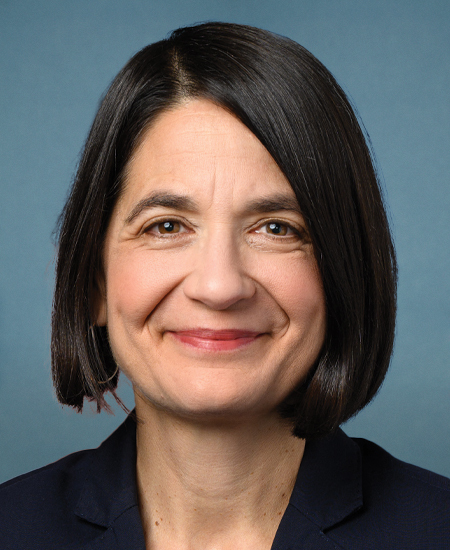
Rep. Becca Balint
Sponsored bills
Maddy summaryThis bill establishes a federal grant program to assist farmers and agricultural communities affected by PFAS (contaminants in soil and water). Eligible states, tribes, or local governments can apply for funds if their agricultural land or water sources contain unsafe PFAS levels, with 30% of annual funding reserved for smaller jurisdictions. Grants can be used for direct compensation to farmers for contaminated land/products, transitioning to new production systems, health monitoring, research on PFAS impacts, and developing remediation strategies. The program authorizes $500 million over five years (2024-2028) and requires annual reports on fund usage and community needs.
Maddy summaryHR 1510, the Improving Access to Nutrition Act of 2023, removes work requirements for Supplemental Nutrition Assistance Program (SNAP) recipients. It directly affects approximately 6.1 million people, including many Black, Hispanic, and Native American households disproportionately impacted by food insecurity (with rates 2-4x higher than White households), as well as families with children and individuals with health barriers to employment. The bill amends the Food and Nutrition Act by striking provisions requiring work for SNAP eligibility and related administrative requirements. This change aims to prevent vulnerable households from losing critical food assistance during the pandemic and beyond.
Maddy summaryThe Stop Corporate Capture Act requires agencies to disclose conflicts of interest when industry-funded studies or research are submitted for rulemaking consideration. It mandates that such studies be made publicly available and requires agencies to assess the social equity impacts of proposed rules. The bill creates an Office of the Public Advocate to help improve public participation in rulemaking, particularly for historically excluded groups. These provisions aim to increase transparency in regulatory decision-making and ensure rulemaking considers broader public interests beyond corporate interests.
Maddy summaryHR 1511 amends Section 249 of the Immigration and Nationality Act to change eligibility criteria for certain immigration provisions. The bill replaces outdated language about entry dates (prior to July 1, 1924, or January 1, 1972) with a requirement that applicants must have been long-term residents of the United States for at least seven years before applying. This change would directly affect individuals seeking immigration status under the amended provisions who meet the new residency timeline. The bill is procedural in nature, updating the legal definition of qualifying residency without creating new benefits or restrictions. (Note: The bill's title incorrectly references the "Immigration Act of 1929," which never existed; the actual law amended is part of the 1952 Immigration and Nationality Act.)
Maddy summaryHR 1269, the Healthy Meals Help Kids Learn Act of 2023, increases federal funding for school meals. It adds 45 cents per lunch and 28 cents per breakfast served by school food authorities (like school districts) starting July 1, 2023, covering all meal types (free, reduced-price, and full-price). The extra payments are adjusted annually beginning July 1, 2024, based on inflation. This directly affects schools serving meals under the National School Lunch and Child Nutrition programs, providing them with additional funding to support meal costs.
Maddy summaryThis bill amends the SNAP program to allow households with children under 18 who meet specific medical criteria to deduct their recurring medical expenses when calculating food assistance benefits. It expands the existing deduction for "elderly or disabled" members to include these medically vulnerable children, referencing criteria from the Social Security Act. The change simplifies the process for families seeking to reduce their SNAP income calculation by accounting for these medical costs. The policy takes effect October 1, 2023, directly benefiting low-income families caring for children with qualifying health conditions.
Maddy summaryThis bill allows asylum seekers not in detention to obtain work authorization 30 days after filing their asylum application, provided their application isn't deemed frivolous. It directly affects individuals seeking asylum in the U.S. who are awaiting a final decision on their case. The authorization remains valid until the asylum application receives a final denial, including any administrative or court appeals. This changes the prior system where many asylum seekers faced prolonged work restrictions while their cases were processed.
Maddy summaryThe Peace Corps Reauthorization Act of 2023 makes several key updates to support Peace Corps volunteers. It increases readjustment allowances from $125 to $375, establishes protocols for safely returning volunteers whose service was interrupted by catastrophic events, and improves health care provisions including mental health services. The bill extends noncompetitive hiring eligibility for returning volunteers for up to three years and implements a zero-tolerance policy for illegal drug use. It also adds protections against retaliation for volunteers who report issues related to waste, fraud, or safety concerns. These changes aim to better support volunteers before, during, and after their service.
Maddy summaryThis resolution (HRES 184) formally recognizes and celebrates Black History Month as an annual observance in February. It highlights the significance of the 2023 theme "Black Resistance," acknowledging historical and ongoing Black American efforts to overcome oppression. The resolution does not create new laws or policies but serves as a commemorative statement to raise awareness of Black achievements and resistance history. It directly affects public awareness, encouraging all Americans to recognize this history during February.