

Maddy summaryThis resolution (HRES 1238) symbolically supports designating May 17, 2024, as "Endangered Species Day" to raise public awareness about species conservation. It does not create new laws or policies but formally recognizes the importance of the Endangered Species Act of 1973, which has helped prevent extinction for over 99% of listed species. The resolution acknowledges the value of biodiversity, ongoing threats like habitat loss, and the Act's role in protecting species such as the California condor and whooping crane. It is a non-binding gesture by the House of Representatives aimed at promoting conservation awareness, not a legislative change affecting specific groups or policies.
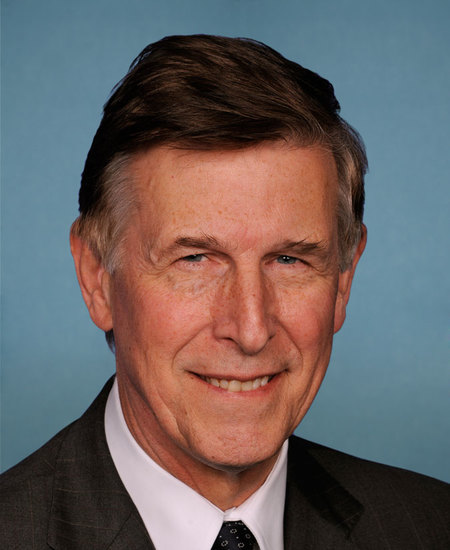
Rep. Donald S. Beyer, Jr.
Sponsored bills
Maddy summaryThe Voter Choice Act (HR 8462) creates a federal grant program to help states and local governments transition to ranked choice voting systems for elections. It authorizes $40 million in fiscal year 2025 to fund technical assistance, voting equipment, ballot design, and voter education for jurisdictions adopting this voting method. The program requires grants to cover no more than 50% of transition costs and prioritizes diverse geographic and demographic representation among recipients. This bill directly affects state and local election officials considering ranked choice voting, providing financial support without mandating its adoption. The law amends the Help America Vote Act to establish this new grant program under Title V.
Maddy summaryHRES 1063 is a non-binding resolution passed by the U.S. House of Representatives to reaffirm America's commitment to NATO ahead of its 75th anniversary. It formally recognizes NATO's role in collective security, emphasizes Article 5's importance for mutual defense, and supports Finland and Sweden's membership. The resolution also calls on NATO allies to meet the 2% defense spending target, but does not create new laws or affect specific individuals or groups.
Maddy summaryThe Public Service Freedom to Negotiate Act of 2024 establishes federal minimum standards for collective bargaining rights for public employees and supervisory employees. The Federal Labor Relations Authority will determine if each state's laws "substantially provide" for these rights, and if not, federal standards will apply to that state. These standards include the right to self-organization, collective bargaining, recognition of labor organizations, and procedures for resolving disputes. The bill preserves existing collective bargaining agreements and excludes certain employee categories like emergency services workers from some provisions.
Maddy summaryHRES 1206 is a symbolic House resolution supporting the designation of May 2024 as "Mental Health Awareness Month." It does not create new laws or funding but aims to raise public awareness about mental health challenges, emphasizing the need to reduce stigma and treat mental well-being as equally important as physical health. The resolution cites statistics on rising mental health crises - including increased anxiety, depression, and suicide rates among youth, LGBTQ+ individuals, veterans, and communities of color - to underscore the urgency of the issue. It encourages nationwide efforts to promote mental health awareness and access to care during this designated month.
Maddy summaryHR 8353, the Preparing Election Administrators for AI Act, requires the Election Assistance Commission (EAC) to create voluntary guidelines for state and local election offices within 60 days of the bill's enactment. These guidelines must address AI risks and benefits in election administration, cybersecurity threats from AI, how AI impacts election information accuracy, and strategies to combat AI-generated disinformation. The EAC will develop these guidelines in consultation with the National Institute of Standards and Technology (NIST). The bill directly affects election administrators by providing non-binding tools to manage AI technology use in elections.
Maddy summaryHR 8141, the Azerbaijan Sanctions Review Act of 2024, requires the President to review whether 44 specific Azerbaijani officials meet criteria for U.S. sanctions under the Global Magnitsky Act and related laws. The bill targets military commanders, judges, prosecutors, and security officials linked to alleged human rights violations, including torture of prisoners of war and suppression of political dissent. Within 180 days of enactment, the President must submit a detailed determination to Congress on whether sanctions should be imposed on these individuals. The review is based on findings of Azerbaijan’s alleged war crimes, arbitrary detentions, and failures to uphold international legal obligations. This bill focuses on procedural review, not immediate sanctions.
Maddy summaryThe Stream Protection and Vegetation Restoration Act amends the Surface Mining Control and Reclamation Act to strengthen reclamation requirements for coal mining operations. It sets specific deadlines for completing backfilling and grading after coal removal (e.g., 60 days for contour mining, 180 days for area mining) and requires coal operators to submit production recovery plans if operations halt for over six months within a three-year period. The bill mandates quarterly water quality monitoring during mining, annual assessments of stream health to measure restoration progress, and inspections of runoff controls after major storms. These provisions directly affect coal mining companies and state/federal agencies overseeing mining permits and reclamation compliance.
Maddy summaryHRES 1136 is a non-binding House resolution expressing support for designating April 2024 as "Parkinson’s Awareness Month." It highlights that Parkinson’s disease affects over 1 million people in the U.S. annually, causes significant health impacts, and requires increased research and support. The resolution urges continued funding for Parkinson’s research, recognizes individuals participating in clinical trials, and commends organizations aiding those living with the disease and their caregivers. This resolution has no legal effect but aims to raise public awareness and support for Parkinson’s advocacy efforts.
Maddy summaryHR 7940, the Coal Cleanup Taxpayer Protection Act of 2024, changes bonding rules for coal mining reclamation. It bans self-bonding (where mining companies guarantee their own cleanup costs) for both federal and state programs, requiring operators to replace existing self-bonds within 90 days or at permit renewal. The bill also mandates states to submit detailed reports on past bond forfeitures and financial forecasts, and establishes new rules for surety bonds and collateral - prohibiting coal mines, equipment, or coal itself as collateral. These changes directly affect coal mining operators, state regulators, and federal oversight under the Surface Mining Control and Reclamation Act.