

Maddy summaryThe Ejiao Act of 2023 prohibits the import, export, transportation, sale, or purchase of donkeys, donkey hides, and products containing ejiao (a gelatin made from donkey skin) within U.S. borders. It directly affects U.S. businesses and consumers involved in trading these items, aiming to reduce global demand driving the slaughter of millions of donkeys - particularly harming communities in Africa and Latin America that rely on donkeys for farming, transportation, and livelihoods. Key mechanisms include civil penalties of up to $10,000 per violation, criminal penalties for severe breaches (including fines and imprisonment), and mandatory forfeiture of violative goods. The bill is grounded in congressional findings that the donkey skin trade has caused population collapses (e.g., 76% decline in China since 1992) and devastating social impacts on impoverished families.
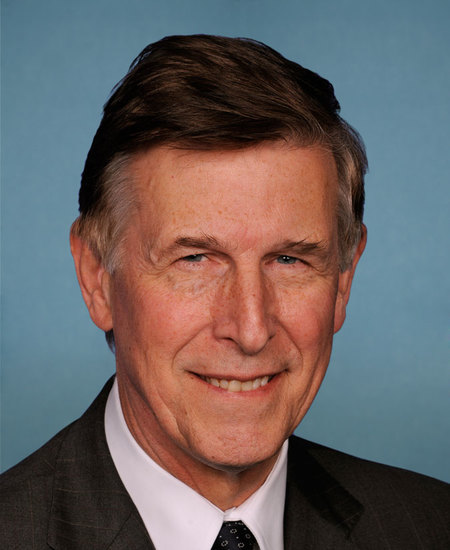
Rep. Donald S. Beyer, Jr.
Sponsored bills
Maddy summaryHR 5744, the Energy Innovation and Carbon Dividend Act of 2023, would impose a carbon fee on fossil fuels (crude oil, coal, and natural gas) based on their greenhouse gas emissions, starting at $15 per metric ton of CO2 equivalent in 2023 and increasing by $10 annually. The revenue from this fee would be distributed directly to American citizens as monthly "carbon dividends" through a new trust fund, with adults receiving full payments and children under 19 receiving half payments. The bill also establishes a border fee adjustment on imported carbon-intensive products to prevent companies from moving operations to countries with weaker environmental regulations. It sets specific emissions reduction targets: 8% annual reductions from 2025-2030 and 2.5% annual reductions from 2031-2050 relative to 2005 levels. The carbon fee would be phased out once emissions drop to 10% of 2005 levels and monthly dividends fall below $20 for three consecutive years.
Maddy summaryThe MORE Act (HR 5601) would federally decriminalize cannabis by removing it from the Schedule I list of controlled substances under the Controlled Substances Act. It requires federal courts to expunge non-violent cannabis convictions and associated arrests, with a focus on addressing racial disparities in cannabis enforcement. The bill creates an Opportunity Trust Fund that would allocate 50% of funds to criminal justice programs, 20% to small business assistance for minority cannabis entrepreneurs, and 20% to community reinvestment grants for individuals impacted by the War on Drugs. It also prohibits federal agencies from denying benefits or security clearances based on cannabis use or past cannabis convictions, and establishes a Cannabis Justice Office to administer these programs.
Maddy summaryThis bill changes how the President can adjust imports for national security reasons. It requires Congress to approve such actions within 60 days through a joint resolution, rather than the President acting unilaterally. The bill redefines "covered articles" as items related to military equipment, energy resources, or critical infrastructure, and shifts investigations from the Commerce Department to the Defense Department. It also creates an exclusion process for certain imports and mandates reports on the economic effects of import adjustments. These changes increase congressional oversight of trade actions with national security implications.
Maddy summaryThis bill changes how Medicare counts hospital stays for coverage of skilled nursing care. It treats time spent in outpatient observation (not admitted as an inpatient) as part of the required 3-day inpatient hospital stay. This means beneficiaries who received outpatient observation services will have that time counted toward the 3-day requirement, potentially making them eligible for skilled nursing facility coverage they might otherwise have lost. The change applies to services beginning January 1, 2024, with limited retroactive appeal options for services completed before the law's enactment. It directly affects Medicare beneficiaries needing skilled nursing care after hospital treatment.
Maddy summaryThe HOPE for Haitian Prosperity Act extends duty-free access for Haitian goods to the U.S. market until 2035, with specific extensions for apparel and other exports. It requires Haitian producers to meet labor standards on minimum wages, working hours, and safe conditions to maintain this trade benefit. The bill also creates a new U.S. technical assistance program to help Haiti diversify exports, focusing on agriculture, apparel, and services, while requiring collaboration with Haitian government, businesses, and labor groups. Annual reports to Congress will track progress on these efforts.
Maddy summaryHR 5008, the HEAL for Immigrant Families Act of 2023, would remove immigration status as a barrier to health insurance coverage for immigrants in the United States. The bill would make all lawfully present immigrants, including those with Deferred Action for Childhood Arrivals (DACA) status, eligible for Medicaid, CHIP, and Affordable Care Act health insurance subsidies. It would eliminate state-level restrictions on Medicaid eligibility for immigrants and allow individuals with federally authorized presence to access premium tax credits and cost-sharing reductions. This legislation aims to address health coverage disparities that disproportionately affect immigrant communities, particularly Black, Indigenous, Latinx, and other communities of color.
Maddy summaryThe Lowering Drug Costs for American Families Act expands Medicare's drug price negotiation program from 20 to 50 drugs, allowing the government to negotiate lower prices for these medications. It requires private health insurance plans and group health coverage to apply these negotiated prices to their members' cost-sharing for covered drugs, with plans able to opt out while publicly disclosing their decision. The bill also extends these negotiated prices to drugs covered by commercial insurance markets, not just Medicare. This would directly affect Medicare beneficiaries and people with private health insurance who take the negotiated drugs.
Maddy summaryThe 9-8-8 Implementation Act of 2023 establishes a national mental health crisis response system centered around the 9-8-8 suicide prevention hotline. It provides $441 million for call center technology, staffing, and operations, and requires Medicare, Medicaid, and private health plans to cover crisis response services including mobile crisis teams and crisis stabilization facilities. The bill also mandates a national suicide prevention media campaign and creates protocols for 9-1-1 dispatchers to better respond to mental health crises. These provisions aim to improve access to mental health crisis care across the United States.
Maddy summaryThe Pathways to Health Careers Act creates a federal grant program to help low-income individuals (those with family income at or below 200% of the Federal poverty level) enter health professions. It provides $425 million annually for fiscal years 2024-2028 to fund training programs that must include support services like adult basic education, child care, transportation, and career coaching. The bill requires grant recipients to serve at least 10% of participants who qualify for Temporary Assistance for Needy Families (TANF) and sets aside funding for demonstration projects focused on people with arrest/conviction records and maternal health career pathways. Recipients must track outcomes including credential attainment, employment in health professions, and earnings. This program directly affects low-income individuals seeking health careers and the organizations that will administer these training programs.