

Maddy summaryHR 2799, the Closing the Bump Stock Loophole Act of 2025, prohibits the sale, possession, and modification of devices that increase the firing rate of semi-automatic firearms to mimic machine guns (commonly called "bump stocks"). It specifically bans manual, power-driven, or electronic devices designed to speed up firing, as well as modified firearms that achieve this effect. Owners of pre-existing modified firearms must register them within 120 days of the law's enactment, with exemptions for government entities and firearms already lawfully modified and registered before the bill passes. The bill does not restrict standard semi-automatic firearms or require registration of unmodified guns.
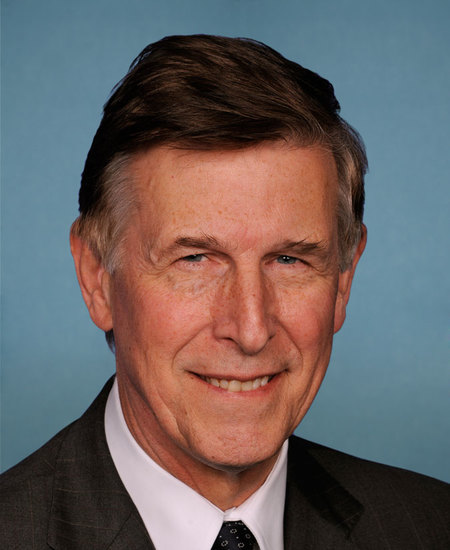
Rep. Donald S. Beyer, Jr.
Sponsored bills
Maddy summaryHRES 302 is a House resolution requesting documents about economic impacts, not a policy bill. It asks the President and Secretaries of Treasury and Labor to provide specific documents within 14 days, including: (1) data on local GDP effects from federal layoffs recommended by the Department of Government Efficiency (DOGE), and (2) unemployment and tariff impact details for communities affected by workforce reductions or new tariffs on imports from Canada, Mexico, or other countries. The resolution focuses solely on gathering existing information for congressional review. This procedural request does not create new law or alter policies.
Maddy summaryThe Raise the Wage Act of 2025 gradually increases the federal minimum wage from $9.50 to $17.00 per hour over six years, with annual adjustments based on median wage growth. It raises the base wage for tipped workers from $6.00 to $17.00 per hour, phasing out their separate minimum wage structure by 2029. The bill also eliminates special minimum wage certificates for disabled workers after 2029, requiring employers to pay the standard minimum wage. These changes apply to most covered workers, including tipped employees and those under 20, with specific transition timelines for each group.
Maddy summaryThis bill establishes federal minimum standards for collective bargaining rights for public employees and supervisors. The Federal Labor Relations Authority would determine if state laws provide these rights, and if not, would establish them for affected employees. The bill guarantees public employees the right to form unions, bargain collectively, and engage in concerted activities, while requiring public employers to recognize unions and put agreements in writing. It also prohibits strikes or lockouts that would disrupt emergency services. This would apply to public employees in states that don't meet the federal standards for collective bargaining rights.
Maddy summaryThe Affordable Housing Credit Improvement Act of 2025 would reform the Low-Income Housing Credit program, which provides tax credits to developers of affordable housing. It would increase state allocations based on population with annual cost-of-living adjustments, modify tenant eligibility rules to allow higher income limits for some residents, and add protections for domestic violence victims in housing. The bill would simplify rules for rural and Native American housing projects, clarify credit eligibility requirements, and require greater transparency in program administration. These changes would directly affect developers, property owners, and low-income tenants in housing projects that receive LIHC tax credits.
Maddy summaryThe Tax Fairness for Workers Act (HR 2671) would allow certain employees to deduct work-related expenses directly from their gross income. Specifically, it creates an above-the-line deduction for union dues (amending IRC Section 62(a)(1)) and reinstates a deduction for other out-of-pocket work costs like uniforms or tools (amending IRC Section 67(g)), effective for 2025 tax years. This directly affects union members and workers with significant job-related expenses who previously could not deduct these costs. The bill removes the prior limitation that barred these deductions, making them available without needing to itemize. The policy change simplifies tax filing for affected workers by treating these expenses as deductible business costs.
Maddy summaryThis bill, HR 2253 (Puppy Protection Act of 2025), sets new federal standards for commercial dog dealers who sell puppies to the public. It requires specific housing sizes based on dog size (e.g., 12-30 square feet per dog), daily exercise in safe outdoor areas, clean water and nutritious food twice daily, and annual veterinary exams including dental checks. The bill also limits breeding frequency (max 2 litters in 25 months), sets age minimums for breeding (18 months for small dogs, 2 years for large dogs), and mandates health screenings to prevent genetic diseases. These requirements apply directly to commercial dealers, with final regulations to be issued within 18 months of enactment.
Maddy summaryThis bill, HR 2102 (Major Richard Star Act), allows veterans with combat-related disabilities to receive both full military retired pay and veterans' disability compensation simultaneously, without the previous offset that reduced retired pay. It directly affects veterans already eligible for both benefits due to combat-related injuries, removing the requirement that their retired pay be reduced by the disability compensation amount. The key provision amends Title 10 and Title 38 to eliminate the offset rule (sections 5304 and 5305 of Title 38) for these veterans. The change applies to payments starting after the bill’s enactment date, effective for all qualifying veterans. This is a policy change to increase financial support for affected veterans, not a new benefit.
Maddy summaryThe Protecting Data at the Border Act requires U.S. border agents to obtain a warrant based on probable cause before accessing the digital contents of electronic devices belonging to U.S. persons at the border. It prohibits denying entry or delaying entry based on a refusal to provide access credentials, digital content, or online account information, and limits border agents to four hours to determine if a U.S. person will voluntarily provide access. The bill mandates written consent with clear notice of rights for voluntary data access, requires destruction of improperly accessed data, and includes emergency exceptions for immediate threats to life, national security, or public safety. It also requires the Department of Homeland Security to report annually on how often border agents access digital data and under what circumstances.
Maddy summaryHR 2588, the Improving Reporting to Prevent Hate Act of 2025, requires the Attorney General to evaluate whether local governments with populations over 100,000 (that apply for specific grants) are credibly reporting hate crimes. It flags jurisdictions that report zero hate crimes or no data annually, making them ineligible for grants unless they meet specific reporting standards. Jurisdictions can avoid penalties by conducting significant community education on hate crimes, such as adopting reporting policies or holding public forums. The Attorney General must publish an annual report on jurisdictions using the education exception. This bill focuses on improving data accuracy for hate crimes, not changing hate crime laws or definitions.