

Maddy summaryThe RECOVER PII Act expands identity protection coverage for individuals affected by federal data breaches, extending the duration of such coverage to the remainder of their lives and increasing insurance limits to at least $5 million. It also allows federal agencies to use appropriated funds to fully reimburse employees or contractors for costs associated with privacy-enhancing services, such as software or hardware that reduces personal data risks. These changes aim to provide long-term security support and financial assistance to victims of government data incidents without specifying which agencies or individuals are directly impacted.
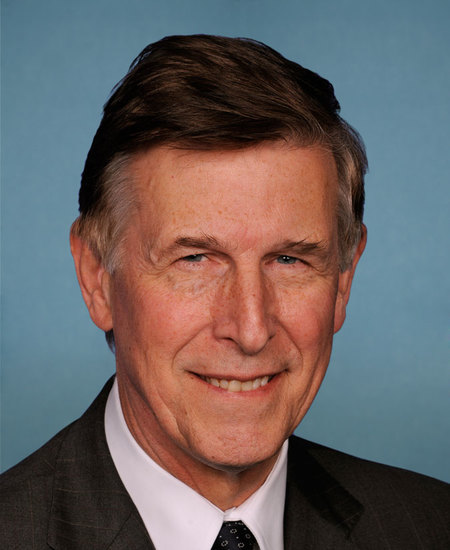
Rep. Donald S. Beyer, Jr.
Sponsored bills
Maddy summaryThis bill, titled the Restoring Accountability in Appropriations Act, modifies the Impoundment Control Act of 1974 to allow private citizens and specific congressional leaders to sue the federal government if budget funds are improperly withheld. It grants individuals who are negatively affected by these withholdings the right to file civil lawsuits in federal court to force the release of the money. Additionally, the legislation empowers designated House leaders to request reports from the Comptroller General and, if those reports confirm violations, to introduce resolutions that mandate the House initiate or join these lawsuits. The bill also establishes a special, expedited process within the House of Representatives to quickly pass these litigation resolutions without standard debate or committee delays.
Maddy summaryThe Lori Jackson-Nicolette Elias Domestic Violence Survivor Protection Act aims to reduce intimate partner homicides by strengthening federal laws that prevent abusers from accessing firearms while restraining orders are active. It expands the definition of "intimate partner" to include dating partners and clarifies that emergency or temporary restraining orders must also trigger gun restrictions. The bill requires courts to automatically issue firearm surrender orders when a protection order is granted, mandating that abusers turn in their guns within 24 hours and prohibiting them from buying new ones for the duration of the order. Additionally, the legislation creates a new grant program to help states and local governments implement these surrender procedures and partner with domestic violence service providers.
Maddy summaryThe Homebuilding Materials Tariff Relief Act would exempt specific critical homebuilding products from tariffs imposed on or after January 20, 2025, to reduce costs for the construction and furnishing of single-family and multi-family residential buildings. The bill defines covered products by a detailed list of Harmonized Tariff Schedule codes, which includes items such as wood, glass, ceramics, and certain plastics used in housing. It restricts the President from reimposing these tariffs unless the National Association of Realtors Housing Affordability Index averages 160 or above for the preceding 12 months and Congress passes a joint resolution approving the action. This legislation directly affects homebuilders, suppliers, and consumers by potentially lowering the price of new homes through reduced material costs.
Maddy summaryThe Temporary Protected Status Review Act restores the ability of courts to review decisions by the Department of Homeland Security to end Temporary Protected Status (TPS) designations for foreign nationals. Under this bill, the government must publish detailed written findings explaining why a country no longer qualifies for TPS protection, and these decisions would be subject to a legal challenge in federal court. If a TPS designation is terminated, the affected individuals would remain in the United States with their current status and work authorization intact while the legal challenge is pending. Additionally, the legislation requires the government to follow specific administrative procedures, such as considering all available evidence and avoiding bias, before making any termination decisions.
Maddy summaryThis bill directs the Comptroller General to conduct a comprehensive review of indoor air quality, ventilation, and heating systems across all federal buildings and facilities. The assessment will examine how agencies monitor these systems, the frequency of identified problems, the qualifications of workers performing related maintenance, and the effectiveness of current oversight measures. Within 12 months of enactment, the Comptroller General must submit a report to Congress detailing findings and recommendations. If the report identifies significant deficiencies, affected federal agencies are required to submit corrective action plans to Congress within six months of the report's release.
Maddy summaryThis bill, titled the Congressional Oversight and Agency Access Act, grants Members of Congress and their full-time staff guaranteed entry to all federal public buildings during regular business hours. It requires these individuals to present official congressional identification and mandates that staff members be accompanied by their employing Member of Congress. The legislation also ensures access outside of normal hours within 24 hours of a request, allows immediate entry during public meetings, and permits access to secure areas if the Member belongs to a relevant committee or obtains consent from the committee's leadership. Additionally, the bill prohibits temporary modifications to buildings that would obstruct a Member's ability to observe the facility.
Maddy summaryThe No Passes for Polluters Act of 2026 requires Congress to explicitly approve any exemptions from Clean Air Act regulations before the President or federal agencies can use them. Under this bill, the President must submit a detailed message to both houses of Congress explaining the reasons and facts behind any proposed exemption, which then triggers a special legislative process. To pass such an exemption, a joint resolution must be approved by a two-thirds vote in both the Senate and the House of Representatives, with limited debate and no amendments allowed. Additionally, the Comptroller General will review these proposals to ensure they have legal authority, and any unauthorized use of exemptions could lead to civil lawsuits. The legislation also mandates that the President reconsider certain executive branch emissions regulations every three years.
Maddy summaryHR 6529, the Protecting Families from AI Data Center Energy Costs Act, mandates the Federal Energy Regulatory Commission (FERC) to hold a technical conference within 90 days of enactment. The conference will include AI data centers, utilities, and ratepayer advocates to develop strategies protecting residential and small commercial customers from rising energy costs caused by large energy users. FERC must then submit a report with recommendations to Congress within 180 days. This procedural bill directly affects households and small businesses facing potential rate increases due to AI data center energy demands.
Maddy summaryThe Stop CHEATERS Act directs the Internal Revenue Service to increase its enforcement efforts against high-income individuals and large corporations by allocating billions of dollars in additional funding for tax audits, criminal investigations, and taxpayer services through fiscal year 2031. A significant portion of this funding is designated for modernizing the IRS's technology and business systems to improve its ability to detect fraud and noncompliance. The legislation also requires the IRS Commissioner to submit regular reports to Congress detailing plans to shift auditing resources toward wealthy taxpayers and analyzing how much unpaid tax is owed by different income groups.