

Maddy summaryThis bill would increase the base pay for Federal Bureau of Prisons correctional officers by 35 percent, replacing their current base rate for all pay calculations (including retirement and locality adjustments). It applies to officers whose duties involve inmate custody, control, or direct custodial contact, including certain supervisory staff and lower-grade Bureau of Prisons employees with similar duties. The pay increase is capped at the Executive Schedule level V rate and would expire after five years unless a Department of Justice Inspector General review finds progress in reducing non-custodial staff use for custodial duties and excessive overtime. The review, required 180 days before expiration, would assess impacts on recruitment, retention, and institutional safety.
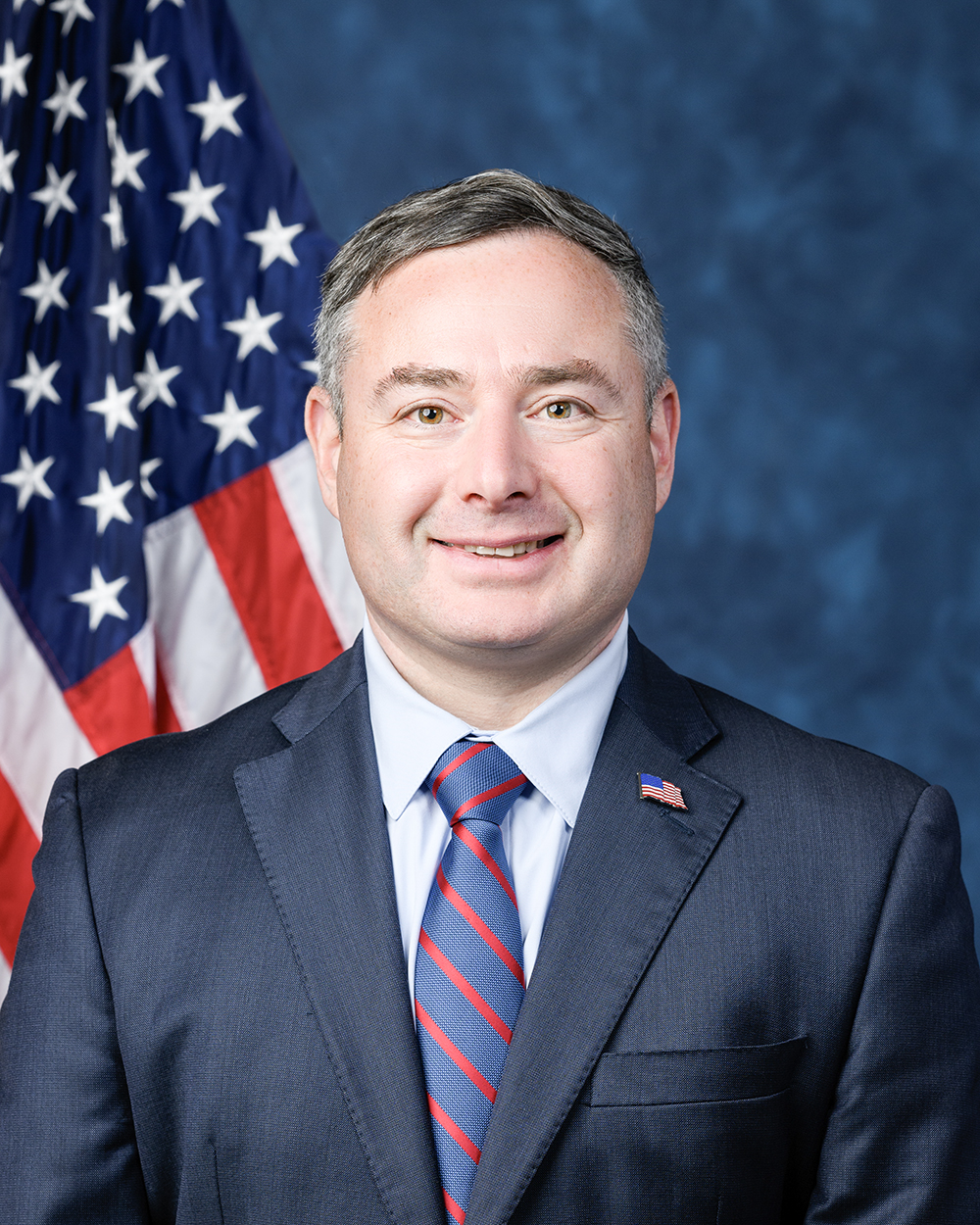
Rep. Eugene Simon Vindman
Sponsored bills
Maddy summaryThe Domestic Organic Investment Act of 2025 establishes a new grant program to strengthen the U.S. domestic organic supply chain. It provides federal grants (up to $2 million for facility projects, $100,000 for equipment) to eligible entities like organic producers, cooperatives, and tribal governments for expanding storage, processing, and distribution capacity. Grants require matching funds (50% for major projects, 25% for equipment) but may waive requirements for beginning farmers and veterans. The program aims to reduce reliance on imported organic products, modernize supply chain systems, and help entities meet certification and food safety standards. Funding is authorized for fiscal years 2026-2030.
Maddy summaryThis bill prohibits the interstate trade and possession of captive mink raised for fur production, directly affecting fur farmers and businesses involved in the mink fur supply chain. It includes an exception for entities covered under existing Lacey Act provisions and authorizes the Secretary to buy out mink farms at a price based on the farmer's recent mink population and farm infrastructure value. The law aims to end commercial mink farming for fur by banning related commerce while offering a voluntary transition option for affected farms. It does not apply to wild mink or non-fur-related mink uses.
Maddy summaryThis bill amends the Tree Assistance Program under the 2014 Agricultural Act to allow eligible orchardists and nursery tree growers to receive up to 25% of their recovery payment *before* they replant trees damaged by natural disasters. The key change permits the Secretary of Agriculture to disburse this advance payment upfront, rather than waiting until after replanting is complete. This directly affects growers who suffered tree losses and need financial support for replanting costs. The provision modifies existing payment rules without creating new eligibility requirements.
Maddy summaryThis bill establishes a program to reimburse small farms and beginning farmers for the full cost of required food safety audits (GAP audits). It directly affects small farms with average annual income under $350,000 or beginning farmers who must undergo these audits to sell to retailers. The program, funded by the Commodity Credit Corporation, requires annual reports to Congress on participation and market access improvements, and expires five years after enactment.
Maddy summaryThe REAP Modernization Act of 2025 updates the Rural Energy for America Program (REAP) to better support rural agricultural and small business renewable energy projects. It requires the program to actively promote greenhouse gas emission reductions through funded projects, expands eligibility to include producer cooperatives and nongovernmental organizations, and increases the climate benefit consideration from 25% to 50% in project evaluations. The bill also establishes a streamlined application process, mandates a study on dual-use energy systems (combining farming with renewable energy on the same land), and adjusts funding rules to prioritize underutilized renewable technologies. These changes directly affect rural farmers, cooperatives, and small businesses seeking grants for solar, wind, or other renewable energy installations on agricultural properties.
Maddy summaryHR 6277, the SAWMILL Act, creates a loan guarantee program to support rural sawmills and wood-processing facilities. It provides guaranteed loans to eligible entities (like sawmill owners in rural areas) seeking to establish, expand, or improve operations within 250 miles of federal lands identified for ecological restoration involving vegetation removal. The program aims to reduce the cost of these restoration projects by ensuring local mills process the removed vegetation. The Department of Agriculture will offer up to $220 million in total loan guarantees under this program, with specific conditions set by the Secretary.
Maddy summaryHR 6088, the *Restoring Food Security for American Families and Farmers Act of 2025*, repeals specific sections (10101-10108) from a prior reconciliation law. This action revives previous provisions related to food security programs that were modified by those repealed sections. The bill directly affects federal food assistance and agricultural support programs by restoring their prior legal framework. It does not create new policies but reverses recent changes to existing food security measures.
Maddy summaryThis bill updates federal nutrition law to include Puerto Rico in the Supplemental Nutrition Assistance Program (SNAP), allowing it to transition from its current funding method to the same SNAP benefits available to U.S. states. Puerto Rico must submit a 180-day plan to the USDA detailing its transition to SNAP, with approval required within another 180 days. The transition period lasts up to 5 years from the bill's effective date, during which Puerto Rico would continue receiving block grants while preparing for full SNAP participation. This change directly affects Puerto Rico's 1.4 million residents who currently receive nutrition assistance under a separate funding structure.
Maddy summaryThe Middle Mile for Rural America Act extends the deadline for funding rural broadband infrastructure projects under the Rural Electrification Act from 2023 to 2031. This directly affects rural communities by providing more time to build the backbone internet networks that connect local areas to broader high-speed services. The key mechanism is amending Section 602(g) of the Rural Electrification Act to update the program's timeframe, allowing eligible projects to qualify for support through 2031. The bill focuses on concrete policy changes to support existing infrastructure funding, without adding new programs or resources.