

Maddy summaryHR 4964, the Thrifty Food Plan Accountability Act of 2023, amends the Food and Nutrition Act to require that any future re-evaluation of the Thrifty Food Plan (TFP) used to calculate Supplemental Nutrition Assistance Program (SNAP) benefits must be budget-neutral. This means adjustments to the TFP cost calculation cannot increase overall program spending. The bill mandates that any changes to the TFP diet cost must follow specific, predefined methods outlined in the referenced paragraphs (1)-(4) of the law. This affects how SNAP benefit amounts are determined for millions of low-income households receiving food assistance.
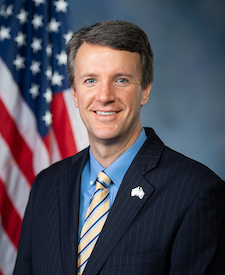
Rep. Ben Cline
Sponsored bills
Maddy summaryHR 4969, the "Ending the Cycle of Dependency Act of 2023," modifies work requirements for the Supplemental Nutrition Assistance Program (SNAP). It establishes a 60-month (5-year) lifetime limit for able-bodied adults aged 16-64 without dependents who receive SNAP benefits. The bill also narrows exemptions for work requirements, removing some existing exceptions like "bona fide student" status, and requires stricter adherence to work registration, job acceptance, and employment training participation. This directly affects SNAP recipients who are non-elderly, non-pregnant, non-disabled adults without dependent children.
Maddy summaryThis bill amends the Food and Nutrition Act to clarify that households must meet existing income and asset limits to qualify for food assistance benefits (like SNAP). It directly affects individuals and families applying for or receiving federal food aid by requiring strict adherence to current eligibility criteria under the law. The key provision explicitly states that households failing to meet these income and resource standards - already part of the program - cannot receive benefits. The amendment takes effect one year after enactment, with existing certification periods unaffected. This change enforces current rules without creating new restrictions.
Maddy summaryThe Child Online Safety Modernization Act of 2023 updates federal law to replace "child pornography" with "child sexual abuse material" across numerous statutes and legal definitions. It modernizes the CyberTipline reporting system to better identify and locate minors involved in cases of child sexual abuse material. The bill makes technical amendments to ensure consistent terminology in legal proceedings related to online child exploitation. These changes aim to improve law enforcement effectiveness in addressing online child sexual exploitation while maintaining legal clarity.
This resolution condemns Iran for the 1988 massacre of political prisoners. It also urges the Biden Administration and U.S. allies to publicly condemn the massacre and to pressure Iran to provide information to the families of the victims.
Maddy summaryThis bill clarifies legal pathways for victims of terrorism to collect judgments against foreign states that sponsor attacks. It removes barriers by updating references in federal law to ensure victims can pursue claims under Section 2333(d)(1) without being blocked by prior legal interpretations. The bill also expands the definition of "national of the United States" to include U.S.-organized entities for these cases, making it easier for more victims to qualify. These changes apply to all pending or future lawsuits filed after the bill's enactment.
Maddy summaryThis bill directs the U.S. Treasury to mint commemorative coins marking the Marine Corps' 250th anniversary in 2025. It authorizes three coin types: $5 gold coins (max 50,000), $1 silver coins (max 400,000), and half-dollar coins (max 750,000), with surcharges of $35, $10, and $5 respectively. The surcharge proceeds will fund the Marine Corps Heritage Center's educational programs, with no net cost to taxpayers as the Treasury must recover all minting costs through the surcharges. The coins can only be issued during 2025, and the Treasury must ensure all costs are covered before distributing funds to the Heritage Foundation.
Maddy summaryHR 4860, the PROTECT the Second Amendment Act, prevents landlords in specific federally assisted housing from banning or restricting residents' lawful possession of firearms in their private units or during travel between units and common areas. It directly affects tenants in housing funded by HUD or USDA programs, including public housing, Section 8 vouchers, and housing for veterans or people with disabilities. The bill prohibits landlords from imposing firearm bans or additional conditions on residents who lawfully carry firearms within their dwelling units or while moving through common areas to reach their units. This changes current policies in these housing programs by explicitly allowing firearm possession where state law permits.
Maddy summaryHR 4157, the "Not Just a Number Act," requires the Department of Veterans Affairs (VA) to produce annual reports on veteran suicide rates and their connection to VA healthcare and benefits. The reports must break down suicide rates by age, gender, and race, and examine how engagement with VA services (like Vet Centers, healthcare enrollment, benefits claims, and housing loans) correlates with suicide trends. The bill also mandates a VA toolkit for state/local coroners to improve veteran suicide death reporting, and a study on creating a dedicated VA suicide prevention office. These measures aim to standardize data collection and identify effective prevention strategies, directly affecting VA operations, congressional oversight, and veteran care systems.
Maddy summaryThis bill would prohibit government employees from directing or encouraging social media platforms to censor protected speech. It defines "covered information" to include phone calls, digital communications, photos, shopping history, location data, and other user information. The bill creates a private right of action for people affected by government interference with their speech, requires government agencies to report communications with platforms about content moderation, and terminates the Disinformation Governance Board. It directly affects government employees, social media platforms, and users whose speech might be impacted by government requests to moderate content.