Maddy summaryThis bill, HR 1097 (Everett Alvarez, Jr. Congressional Gold Medal Act of 2023), authorizes the award of a Congressional Gold Medal to Everett Alvarez, Jr., in recognition of his service as a U.S. Navy pilot and Vietnam War prisoner of war. It directly honors Alvarez, who was the first U.S. pilot shot down in the Vietnam War, spent over 8.5 years in captivity, and later served in the Peace Corps and Veterans Administration. The bill’s key mechanism is directing the U.S. Mint to strike a gold medal bearing his name and image, with bronze duplicates available for sale to cover costs. It does not create new policies or affect any group beyond the honoree.
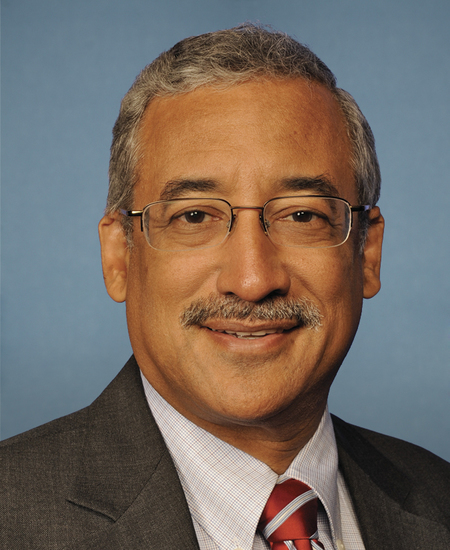
Rep. Robert C. "Bobby" Scott
Sponsored bills
Maddy summary# Summary of "A Stronger Workforce for America Act" Amendments to WIOA This document presents comprehensive amendments to the Workforce Innovation and Opportunity Act (WIOA), with significant updates to workforce development programs across multiple areas. ## Key Changes: 1. **Program Structure & Terminology**: - Replaced "centers" with "campuses" throughout Job Corps provisions - Updated definitions for consistency across all programs 2. **Funding Authorization**: - Youth workforce investment: $976,573,900 annually (2025-2030) - Adult employment and training: $912,218,500 annually - Dislocated worker employment: $1,391,483,193 annually - Job Corps: $1,760,155,000 annually 3. **Job Corps Reforms**: - Updated eligibility requirements (including expanded criteria for homeless youth and foster youth) - New safety and performance standards - Revised performance assessment system with clear improvement pathways - Strengthened appeal processes for disciplinary actions - Enhanced reporting requirements with consumer-friendly data presentation 4. **Performance Accountability**: - Revised performance metrics with more specific targets - New requirements for wage record utilization in performance evaluation - Comprehensive improvement plans for underperforming programs - Annual reporting on performance metrics with public accessibility 5. **Program-Specific Changes**: - Enhanced youth workforce programs with new eligibility criteria - Updated Native American programs with specific performance standards - Modernized migrant and seasonal farmworker programs - Strengthened technical assistance provisions - Added requirements for digital literacy skills development 6. **Operational Improvements**: - New requirements for using competency-based assessments - Updated definitions for foundational skill needs - Enhanced reporting on performance and safety - Strengthened partnerships with community organizations The amendments focus on improving program effectiveness, increasing accountability, expanding access to underserved populations, and ensuring workforce programs better align with labor market needs through updated performance metrics and reporting requirements.

Maddy summaryHR 9774, the Health Care Affordability Act of 2024, would expand premium tax credits under the Affordable Care Act for households earning between 150% and 400% of the federal poverty level. It modifies the sliding scale calculation to reduce the percentage of monthly insurance premiums these households must pay, with the lowest out-of-pocket costs for those near 400% of poverty. This directly affects individuals and families purchasing health insurance through marketplace plans who qualify for these tax credits. The changes apply to tax years beginning after December 31, 2025.
Maddy summaryHR 8796, the "Stop Comstock Act," removes outdated restrictions from federal law that previously banned the distribution of materials related to contraception and abortion as "obscene" or "indecent." The bill amends Title 18 and the Tariff Act by deleting references to "indecent," "immoral," "unlawful abortion," and "procuring abortion" from provisions governing obscene materials. It clarifies that the law only prohibits "obscene materials" in commerce, eliminating broad restrictions on reproductive health information. This directly affects internet platforms, healthcare providers, and individuals sharing reproductive health resources by removing legal barriers to their distribution.
Maddy summaryHR 7442 directs the Government Accountability Office (GAO) to study whether Medicare could cover medical services provided in the Philippines for beneficiaries already enrolled in Medicare Part B or Part C. The study must analyze potential cost savings compared to U.S. care (2025-2034) and identify required legislative/administrative changes to expand coverage. This bill only authorizes a study and does not change current Medicare benefits or eligibility.
Maddy summaryThe Black Lung Benefits Improvement Act of 2023 makes key changes to improve benefits for coal miners with black lung disease (pneumoconiosis) and their families. It clarifies eligibility using medical evidence like chest scans and biopsies, creates a program to pay attorneys' fees and medical expenses for qualifying claims, and restores cost-of-living adjustments to benefits that had been frozen for years. The bill also requires a strategy to reduce delays in processing claims and improves how employment and earnings information is shared to support claims. These changes aim to make it easier for miners and their families to access the benefits they're entitled to under the Black Lung Benefits Act.
Maddy summaryThe CARE for Moms Act aims to reduce maternal mortality in the United States by improving healthcare access and quality for pregnant and postpartum women, with specific attention to racial disparities. Key provisions include requiring 12-month continuous Medicaid coverage for postpartum individuals (up from 60 days), expanding oral health coverage during pregnancy, and funding State-Based Perinatal Quality Collaboratives through $35 million annual grants. The bill specifically targets the higher maternal mortality rates faced by Black women, who are about 3 times more likely to die from pregnancy-related causes than White women. It also includes provisions for doula services, rural mobile health units, and improved data collection on maternal health outcomes.
Maddy summaryThe Lowering Drug Costs for American Families Act expands Medicare's drug price negotiation program from 20 to 50 drugs, allowing the government to negotiate lower prices for these medications. It requires private health insurance plans and group health coverage to apply these negotiated prices to their members' cost-sharing for covered drugs, with plans able to opt out while publicly disclosing their decision. The bill also extends these negotiated prices to drugs covered by commercial insurance markets, not just Medicare. This would directly affect Medicare beneficiaries and people with private health insurance who take the negotiated drugs.
Maddy summaryThe Social Security 2100 Act would significantly enhance Social Security benefits for millions of Americans by increasing monthly payments for retirees, disabled workers, widows/widowers, and children. Key provisions include raising the minimum benefit for long-term low earners, improving cost-of-living adjustments using a more accurate index, eliminating the 5-month waiting period for disability benefits, and extending child benefits to age 26. The bill also changes how Social Security taxes are calculated by applying them to income above $400,000 and establishes a unified Social Security Trust Fund to manage program finances. Most provisions would apply to benefits payable from 2025 through 2034, affecting all current and future Social Security beneficiaries.
Maddy summaryThe Medicare for All Act would establish a single-payer national health insurance program providing comprehensive coverage to all U.S. residents without cost-sharing. It would replace current private insurance and government programs like Medicare and Medicaid with a unified system covering all medically necessary services including hospital care, prescription drugs, mental health services, reproductive care, long-term care, and preventive services. The bill prohibits private insurers from offering duplicate coverage and requires providers to participate without charging patients for covered services. Implementation would occur over a two-year transition period, with a "Medicare Transition Buy-In" option allowing people to enroll before full implementation.