

Maddy summaryHR 2000, the Arctic Watchers Act, establishes a new State Department program to monitor security, economic, and political activities in the Arctic region. The program assigns "Arctic Watchers" to at least three European diplomatic posts and one North American post to track foreign influence (particularly from China and Russia), protect U.S. interests, and strengthen engagement with Arctic stakeholders. It requires annual reports to Congress detailing assigned staff, responsibilities, and strategies, with $10 million authorized annually for fiscal years 2025 and beyond. The bill directly affects U.S. diplomatic operations in Arctic-focused countries and aims to counter perceived threats to U.S. security and economic interests in the region.
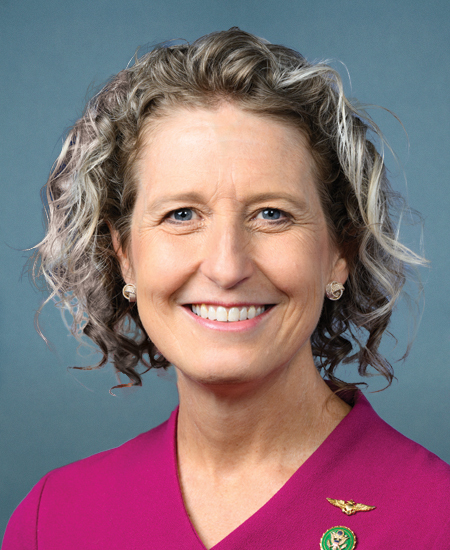
Rep. Jennifer A. Kiggans
Sponsored bills
Maddy summaryHR 1898 requires the Pentagon to study installing two safety systems - traffic alert/collision avoidance systems and automatic aircraft tracking - on all military helicopters used for training. Within 90 days of enactment, the Defense Secretary must submit reports analyzing costs, effects on civilian airspace safety, necessary cockpit modifications, and impacts on military operations. If installation isn't feasible, the reports must recommend alternative safety measures. This bill does not mandate changes but mandates a study to assess potential safety improvements for military helicopter training.
Maddy summaryThis bill amends the calculation method for the Basic Allowance for Housing (BAH) for uniformed service members living off-base in the United States. It requires the Secretary of Defense to set BAH amounts based directly on the actual monthly cost of adequate housing in each area, matching the member's pay grade and dependency status. This change ensures BAH rates more accurately reflect local housing expenses rather than using a previous formula. The bill directly affects all service members receiving BAH for off-base housing across the U.S., particularly those in high-cost areas where current rates may not cover actual rent.
Maddy summaryHR 1938 requires the Department of Defense to request modifications to stormwater permits at military facilities, mandating quarterly monitoring of PFAS discharges and implementation of best management practices to reduce them. The bill directly affects all Department of Defense facilities subject to federal stormwater permits under the Clean Water Act. It allocates at least 1% of annual PFAS remediation funds specifically for testing stormwater runoff at these sites. The legislation focuses on preventing PFAS contamination in waterways by strengthening monitoring and reduction measures at military operations.
Maddy summaryThis bill ensures military personnel, civilian Defense workers, and supporting contractors continue receiving pay during government funding gaps in fiscal year 2025. It provides temporary funding from existing Treasury reserves to cover salaries for active-duty troops, reservists, Defense civilians, and contractors supporting military operations until Congress passes a full budget or by January 1, 2026. The measure directly affects all active-duty service members, reserve components, and their civilian/contractor support staff across the military. It does not create new policies but guarantees uninterrupted pay during budget implementation delays.
Maddy summaryHR 471, the Fix Our Forests Act, establishes a new system for identifying and managing high-risk wildfire areas called "firesheds" and creates a centralized Fireshed Center to coordinate wildfire risk management across federal agencies. The bill streamlines environmental reviews for wildfire risk reduction projects, allowing for faster implementation of hazardous fuels management activities in designated areas. It includes provisions for community wildfire risk reduction programs, water source protection, and specific initiatives for restoring white oak forests. The legislation also includes litigation reforms to expedite forest management projects and reduce delays from legal challenges. These provisions aim to reduce wildfire risk and improve forest health through more coordinated, data-driven management approaches.
Maddy summaryHRES 153 is a ceremonial resolution expressing condolences to the families and loved ones of the 67 victims who died in two aviation incidents: American Eagle Flight 5342 and U.S. Army flight PAT 25, which crashed near Washington, D.C.'s Reagan National Airport on January 29, 2025. It specifically honors the victims - many connected to Wichita, Kansas (known as the "Air Capital of the World") - and extends sympathies to affected communities including Wichita, Kansas, and the National Capital Region. The resolution also commends first responders who aided in the recovery efforts. As a non-binding expression of sympathy with no policy changes, it does not affect laws or regulations.
Maddy summaryThe Keep America's Waterfronts Working Act of 2025 establishes a federal Task Force to identify and address challenges facing working waterfronts, which are properties used for commercial fishing, boating businesses, aquaculture, and other water-dependent coastal activities. It creates a $50 million annual grant program (2025-2029) to help coastal states, tribal governments, and Native Hawaiian organizations develop and implement working waterfronts plans that preserve access to coastal waters and protect these businesses from threats like sea level rise and conversion to incompatible uses. The bill also authorizes a preservation loan fund to provide low-interest loans for waterfront preservation, with special provisions for disadvantaged communities. Covered entities must develop plans identifying threatened waterfront areas, prioritizing preservation needs, and ensuring public access. The law aims to protect working waterfronts through coordinated federal and local planning efforts.
Maddy summaryHR 1818, the Aviation Workforce Development Act, expands tax-advantaged 529 college savings plans to cover costs for aviation maintenance and commercial pilot training. It allows families to use 529 funds for tuition, fees, books, and equipment at qualifying schools - specifically aviation maintenance technician programs under FAA Part 147 rules or commercial pilot courses at FAA-certified flight schools (Part 61 or Part 141). The bill directly affects students pursuing these aviation careers by making their training more affordable through existing tax-advantaged savings accounts. The change applies to distributions made after the law's enactment date.
Maddy summaryThis bill increases federal funding for sickle cell disease programs from $4.455 million annually (2019-2023) to $8.205 million annually (2025-2029). It revises existing law to expand the focus from "prevention and treatment of sickle cell disease" to specifically include "treatment of sickle cell disease and the prevention and treatment of complications." These changes directly affect patients with sickle cell disease and related blood disorders by prioritizing care for complications and increasing available resources. The bill amends Section 1106(b) of the Public Health Service Act to implement these funding and policy adjustments.