

Maddy summaryHJRES 44 is a congressional resolution seeking to block a 2021 rule by the Bureau of Alcohol, Tobacco, Firearms, and Explosives (ATF). The rule classified firearms with stabilizing braces as "short-barreled rifles," which would have required additional licensing and regulation. This resolution uses a specific legal process (under Title 5, U.S. Code) to formally disapprove the ATF rule, meaning the rule would no longer be in effect. It directly affects firearm owners, manufacturers, and dealers who would have been subject to the rule’s requirements.
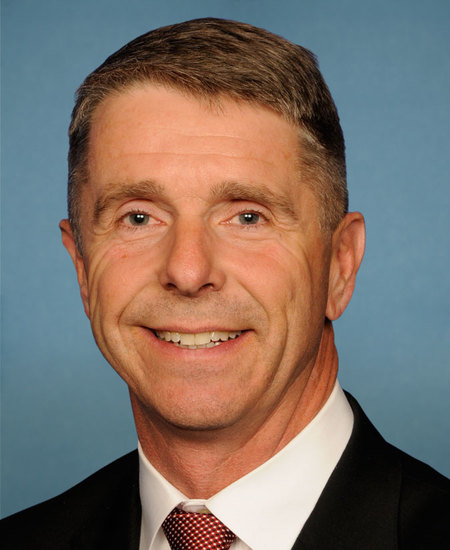
Rep. Robert J. Wittman
Sponsored bills
Maddy summaryThis bill improves the VA Work-Study program for veterans and active-duty military members by expanding eligible work opportunities to include roles with state/local governments and nonprofits that support veterans. It establishes a higher minimum wage standard, requiring payments to meet the highest of federal, state, or local minimum wage rates. The bill also requires electronic time tracking for participants and annual public reporting on program data, including participant demographics, wages, hours worked, and participating schools. These changes apply to work-study payments made on or after January 1, 2026.
Maddy summaryHR 277 would require Congress to approve major federal regulations before they take effect. Major rules are defined as those with significant economic impact ($100 million+ annually), major cost increases for consumers or industries, or significant adverse effects on competition, employment, or innovation. Agencies must submit detailed information about these rules to Congress, including cost-benefit analyses, before they can take effect. Congress would have 70 session days to approve the rule with a joint resolution; if they don't act within that timeframe, the rule would not take effect. This would increase congressional oversight of federal regulations and require more detailed information about proposed rules before they become law.
National AI Commission Act This bill establishes a National Artificial Intelligence (AI) Commission in the legislative branch. The purpose of the commission is to support the role of the United States in mitigating the risks of AI through appropriate regulation while also supporting U.S. innovation and opportunities with respect to AI. The commission must be bipartisan, with an equal number of members appointed by the Democratic and Republican parties. Members must have a background in (1) computer science or other technical experience in AI, (2) civil society, (3) industry and workforce, or (4) government. The commission must review the federal government's current approach to AI oversight and regulation and recommend a comprehensive, binding regulatory framework in its final report.
Maddy summaryThis bill requires all U.S. flags displayed on federal property or purchased by federal agencies to be 100% made in the United States, meaning all materials and manufacturing must occur domestically. It directly affects federal agencies (including military departments, legislative/judicial branches, and U.S.-owned corporations) and their procurement of flags for display on government property. Key provisions include a 90-day implementation for new flag purchases and a 2-year phase-in for display requirements, with a separate mandate for the FTC to study and report on country-of-origin labeling enforcement for flags within one year. The bill does not apply to private entities or flags displayed off federal property.
Maddy summaryThe Fly Together Act requires airlines to seat children under 14 adjacent to an accompanying adult, if seats are available after ticket purchase but before boarding. It prohibits airlines from charging extra fees for this adjacent seating arrangement within the same class of service. The rule would take effect within 180 days of the bill’s enactment through a new Transportation Department policy. This directly affects families traveling with young children on commercial flights. The policy does not force airlines with existing flexible seating systems to change their current practices.
Maddy summaryThis bill prohibits retirement plan fiduciaries from investing in "sanctioned entities" or "foreign adversary entities" (as defined by specific U.S. government lists), including Chinese military-linked companies or entities tied to countries designated as national security threats. It requires retirement funds to disclose all holdings in these entities, including their value, the entity names, and the listing reasons. Existing investments held before the law's enactment may continue under specific conditions, and binding pre-enactment contracts can be fulfilled until expiration or termination. The law directly affects retirement plan managers and the funds they oversee, mandating new transparency about restricted investments.
Maddy summaryHR 3996 would impose a 60% tax on the purchase of U.S. agricultural interests (including farmland and livestock production land) by individuals or entities from designated "countries of concern," such as China, Russia, Iran, North Korea, Cuba, and Venezuela. It requires transaction closers (like title companies or attorneys) to report buyer details to the IRS and request an affidavit confirming the buyer is not a disqualified person. If a disqualified person fails to provide the affidavit, the closing entity must inform them of the tax obligation, and the buyer would owe 60% of the purchase price. The tax does not apply to U.S. citizens, lawful permanent residents, or U.S. public companies not controlled by disqualified persons.
Maddy summaryThe Neighborhood Homes Investment Act creates a new tax credit for developers who rehabilitate or build affordable homes in distressed communities. The credit is calculated based on the difference between rehabilitation costs and the sale price, with homes required to be sold at affordable prices to qualified homeowners with incomes up to 140% of the local median family income. The bill targets specific "qualified census tracts" defined by high poverty rates, low homeownership, and below-average home values. Developers must ensure homes are sold to qualified homeowners who use them as primary residences for at least five years, with additional safeguards to prevent program abuse and ensure fair housing practices.
Maddy summaryThis bill prohibits federal funding for US colleges and universities that host Confucius Institutes - Chinese government-run cultural centers. It directly affects institutions participating in these programs by cutting their eligibility for certain federal funds under the National Defense Authorization Act. The key mechanism removes a previous waiver that allowed exceptions for such institutions, making the funding ban absolute. The policy change applies to all covered federal funding streams without exception.