

Maddy summaryThis bill amends the 2018 Anti-Boycott Act to include boycotts by international governmental organizations (IGOs), such as UN agencies, alongside boycotts by foreign countries. It expands existing requirements for U.S. entities to report boycotts they comply with, now covering IGO-initiated boycotts as well. The change directly affects U.S. businesses and organizations operating internationally who might face pressure from IGOs to participate in boycotts. Key provisions update legal definitions in the law by inserting "or international governmental organization" in relevant sections without creating new penalties.
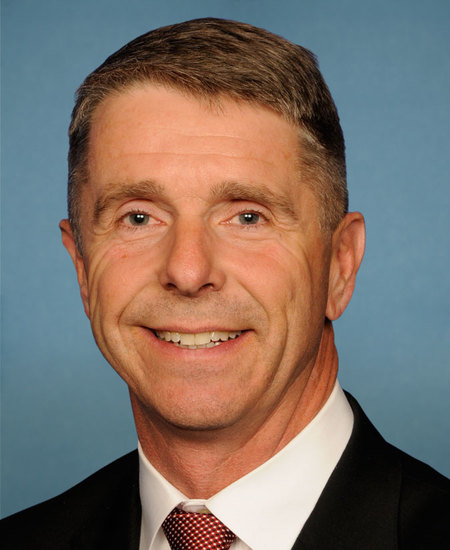
Rep. Robert J. Wittman
Sponsored bills
Maddy summaryHR 7450, the Protecting Privacy in Purchases Act, prohibits payment card networks and covered entities (like payment processors) from requiring or assigning merchant category codes that specifically identify firearms retailers as different from general stores or sporting goods retailers. This directly affects firearms retailers and payment networks by preventing them from using business classification codes that could flag firearm sales. The bill establishes an enforcement process where the Attorney General investigates complaints, issues remediation notices, and can seek court injunctions for non-compliance, while preempting state or local laws on this issue. It does not create private lawsuits for individuals.
Maddy summaryHR 7434, the BEST for Vets Act of 2024, requires that only licensed health care professionals conduct medical disability examinations for veterans' benefits under certain VA pilot programs. The bill amends existing law to prohibit non-licensed personnel from performing these evaluations, ensuring only qualified professionals (as defined in the law) handle disability assessments. It also mandates annual reports to Congress detailing the pilot program's implementation and the VA's compliance actions. This directly affects veterans receiving disability benefits and VA contractors administering medical exams. The law aims to standardize exam quality and transparency in the disability evaluation process.
This bill allows individual taxpayers a tax deduction from gross income (above-the-line deduction) through 2029 for their qualified newborn expenses, up to $5,000. The deduction is not available for taxpayers whose modified adjusted gross income exceeds $100,000 ($200,000 in the case of a joint return). The bill defines qualified newborn expenses to include amounts paid for infant formula, baby bottles, diapers, infant car seats, baby strollers, and cribs. Taxpayers must include their social security number on their tax returns to qualify for the deduction.
Maddy summaryHR 7384, the Creating Hope Reauthorization Act of 2024, extends the deadline for issuing priority review vouchers to pharmaceutical companies developing treatments for rare pediatric diseases. The bill amends the Federal Food, Drug, and Cosmetic Act to push the program’s expiration from 2024 to 2028 and adjusts another related deadline to 2030. This directly affects drug manufacturers seeking faster FDA review for new treatments targeting rare childhood illnesses. The extension ensures continued incentives for developing these critical therapies without altering the core voucher mechanism.
Maddy summaryThis bill restricts how credit reporting companies share homebuyers' credit reports during mortgage applications. It prevents companies from sending these reports to third parties (like marketers) just because a lender requested them for a mortgage. Only specific entities can receive the reports: the mortgage lender who originated the loan, the company servicing the loan, or the bank holding the homebuyer's account. This directly protects homebuyers' privacy by limiting unauthorized sharing of their financial data.
Maddy summaryThis bill establishes a 7-year task force under the Commerce Secretary to address shark interactions with fishing gear (referred to as "shark depredation"). The task force, including representatives from regional fisheries councils, coastal states, and shark experts, will identify research priorities (like shark behavior causes and non-lethal deterrents), develop management strategies, and create educational materials for the fishing community. It directly affects coastal states, fisheries management councils, and commercial fishermen by improving coordination and funding for shark interaction research. The task force must submit biennial reports to Congress and will sunset after 7 years. The bill does not change fishing regulations but focuses on research and education to reduce harmful shark-human interactions.
Maddy summaryHRES 993 is a non-binding congressional resolution designating February as "Career and Technical Education (CTE) Month" to celebrate CTE programs nationwide. It supports CTE as a pathway preparing students for high-demand, skilled careers in fields like infrastructure and technology, recognizing that over 12 million students currently participate in CTE programs across high schools and colleges. The resolution encourages educators, counselors, and parents to promote CTE as a respected educational option, highlighting its role in reducing high school dropout rates and aligning student skills with workforce needs. It does not create new laws or allocate funding, but symbolically affirms bipartisan support for CTE, referencing the 1917 Smith-Hughes Act as foundational to current efforts.
Maddy summaryThis bill repeals a law (18 U.S.C. § 1715) that previously prohibited mailing firearms without a license. It directly affects the U.S. Postal Service, firearm sellers, and individuals mailing firearms by preventing the Postal Service from creating rules that would block firearm mailings or require disclosure of sensitive records like sales receipts or firearm serial numbers. Key provisions include removing the existing ban on mailing firearms and prohibiting the Postal Service from imposing new restrictions on firearm mailings or demanding customer transaction data. The bill ensures that firearm mailings can proceed without these specific federal restrictions, while applying to ongoing legal cases under the repealed law.
Maddy summaryThe RIFLE Act of 2024 changes how the federal government handles violations by firearms licensees, affecting gun dealers and manufacturers who hold federal licenses. It creates a graduated penalty system where non-willful violations require the Attorney General to work with licensees to fix issues before taking action, while willful violations may lead to license suspension or revocation only after proper notice, hearing, and evidence of continued noncompliance. The bill establishes new procedures for administrative hearings, defines "willful" violations more clearly, and gives licensees 90 days to liquidate inventory after license expiration or revocation, with extensions possible for reasonable cause. These changes aim to create a more transparent process for addressing violations while maintaining public safety standards.